Ikigai COO on clean energy investment
Enlit Editorial Team
Posted on: 30 March 2022
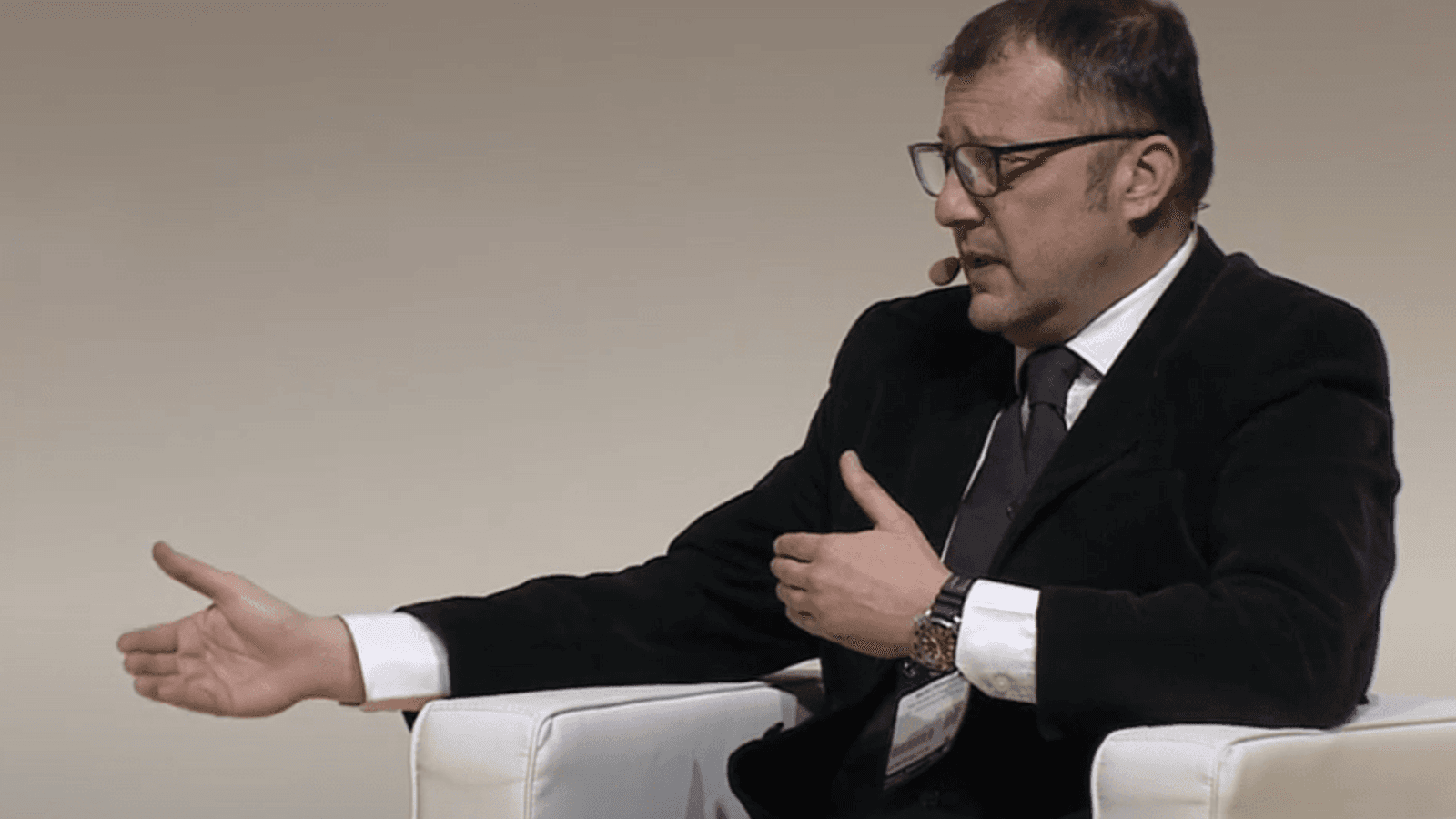
Anderson, Ikigai Co-Founder and COO, elaborated on her feelings regarding the outcomes of COP26.
Although Helena Anderson understands the concerns and defence of some countries in the mind of phasing out coal, she also states a lack of empathy for those justifying coal-fired power stations.
Anderson, Ikigai Co-Founder and COO, elaborated on her feelings regarding the defence of some countries in phasing out coal.
“I’m not a subscriber to instantly changing overnight. That makes industry uncompetitive and puts people out of business and doesn’t help anyone.
“We need to create an environment for jobs (…) and economic growth through green interventions.”
“Where I lose sympathy is that there is a very weak case for continuing operation of coal fired power stations.”
Have you read:Montenegro: small country with big ambitions for its energy transitionSHYNE – €3.23 billion renewable hydrogen investment in SpainAGL and ARENA lock in Broken Hill battery with $41m investment decision
Anderson went on to state how such stations add into an already weak economic case.
“The additional CAPEX and OPEX associated with post-combustion carbon capture (…) makes [an already] weak case really unfathomable.
“While a number of states protested at the idea [that] they would have to accelerate their investments into alternative solutions for industry and baseload power, I just don’t see that trade off existing to the same extent as it would have five or six years ago.
<strong>If you want to be competitive in the global economy you now have to recognise what’s required of you when it comes to carbon constraints and you have to try and monetize that by behaving differently.</strong>
“That’s why regional solutions make a lot of sense.
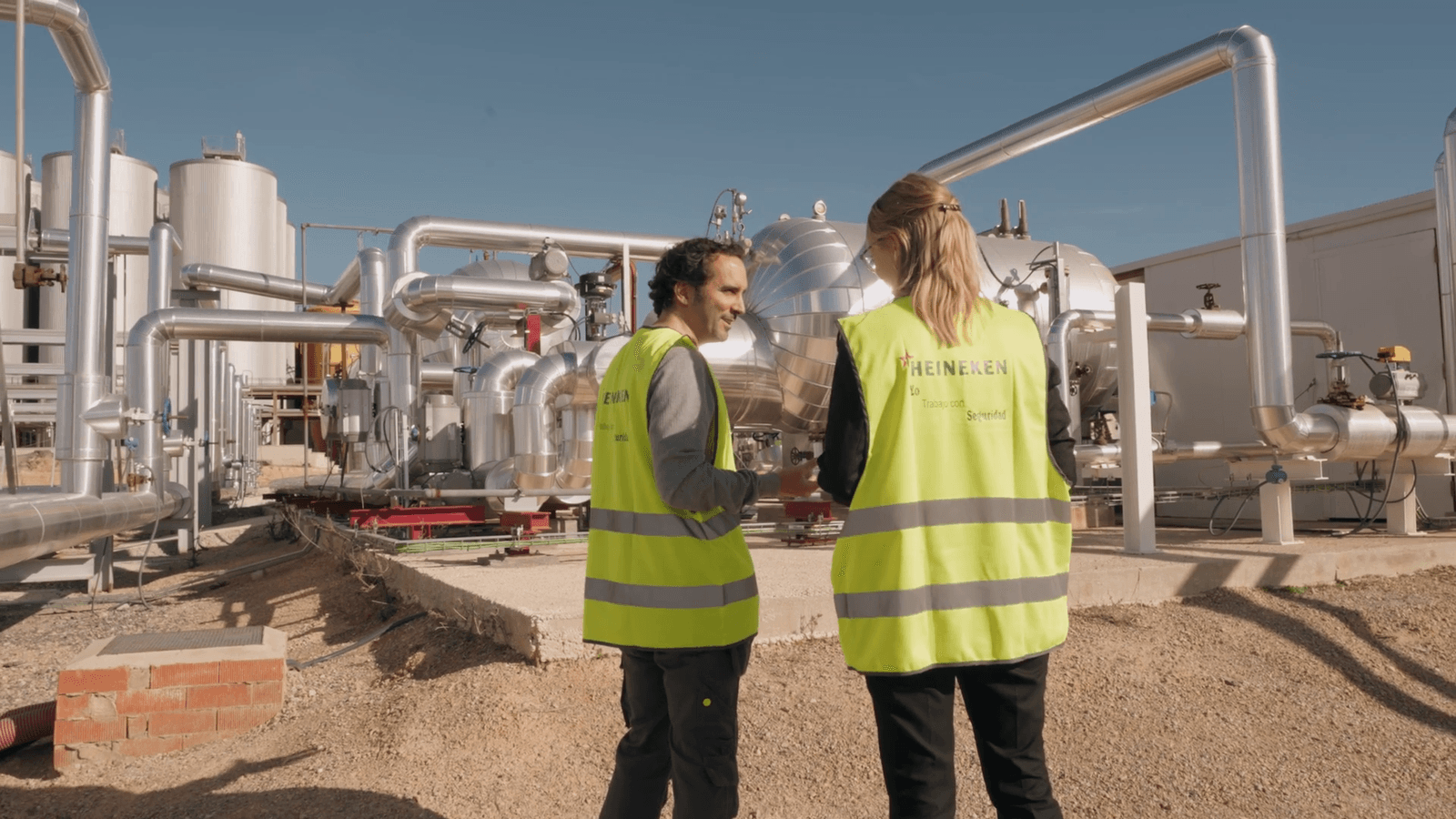
“In a regional context you can take a waste product like CO2 and convert it into a valuable product, into the food and beverage industry for example.
“You can look at solutions that on their own in a silo are not viable (…) and you can look at all the different applications within the region to stack a series of revenues up to make a project financeable.”
However, states Anderson, the way to achieve such monetisation requires extensive collaboration and is hard work.
“It Is difficult bringing different partners together across regions. And I have more sympathy for India in discussions than I do for a centrally planned economy like China that already operates on that basis.
“I really struggle to understand the argument that this is not the most economically efficient outcome as well as the best outcome for the planet.”
Watch the full video to hear more about the clean energy investment landscape.