Ørsted cans FlagshipONE e-fuel project in favour of green hydrogen
Pamela Largue
Posted on: 16 August 2024
Ørsted has decided to cancel FlagshipONE| the company's first commercial-scale Power-to-X project| and is opting to prioritise the development of renewable hydrogen.
Danish energy firm Ørsted has decided to cancel FlagshipONE, the company's first commercial-scale Power-to-X project, and is opting to prioritise the development of renewable hydrogen.
The news was announced in Ørsted's interim report for H1 2024. The report explains that the decision was taken due to the slow growth of Europe's nascent e-fuel market.
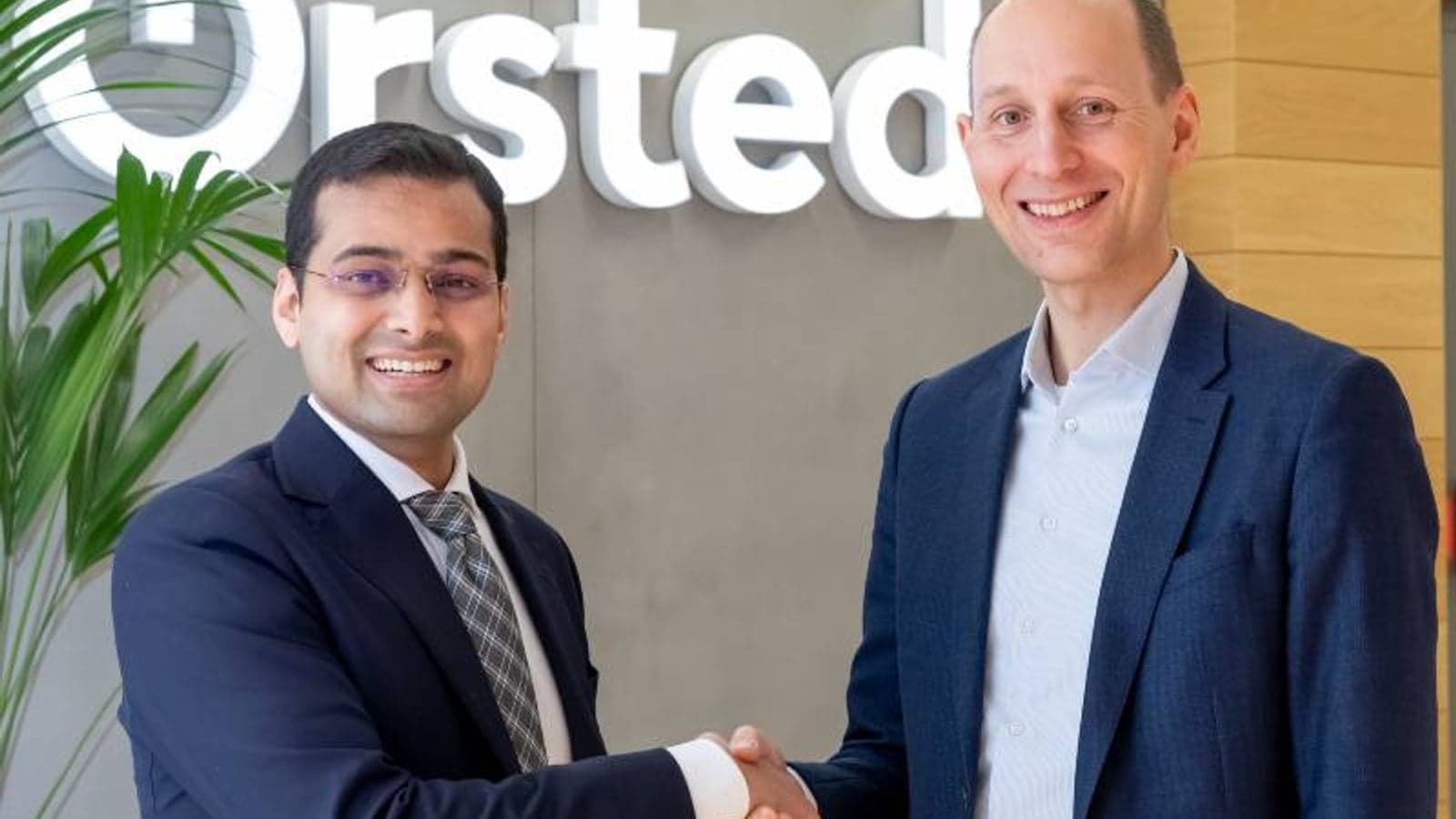
Mads Nipper, group president and CEO of Ørsted, commented on the decision: “The liquid e-fuel market in Europe is developing slower than expected, and we have taken the strategic decision to de-prioritise our efforts within the market and cease the development of FlagshipONE.
Have you read?
Atmospheric water generators to be used for green hydrogen production
ITM Power signs contract with Shell for 100MW electrolyser
"We will continue our focus and development efforts within renewable hydrogen, which is essential for decarbonising key industries in Europe and closer to our core business.
Ørsted’s decision concerning FlagshipONE resulted in an impairment charge of DKR3.2 billion ($470 million) in the first half, losses which also included the costs of a delay to the Revolution offshore wind farm in the US and other factors.
Nipper confirmed the company would continue to emphasise de-risking project execution and focusing on options with the “highest potential for value creation.”
FlagshipONE, based in Örnsköldsvik, Sweden, was meant to produce upwards of 50,000 tonnes of e-methanol per year – enough to power one large container vessel. Ørsted took full ownership of the project in 2022 by acquiring the remaining 55% stake in the project from Liquid Wind AB, the original developer of the project.
Challenges to e-fuel market growth
According to a report from Woodmac, the main challenges to e-fuel market growth include regulatory risk and the lack of commercial viability.
The costs associated with green hydrogen production and CO₂ capture are high. Also, the conversion process to the final e-fuel product is both energy and capital-intensive, with delivery costs also needing to be factored in.
Woodmac states that there is no shortage of offtakers for low-carbon fuels, however the gap between cost of production and willingness to pay is significant.