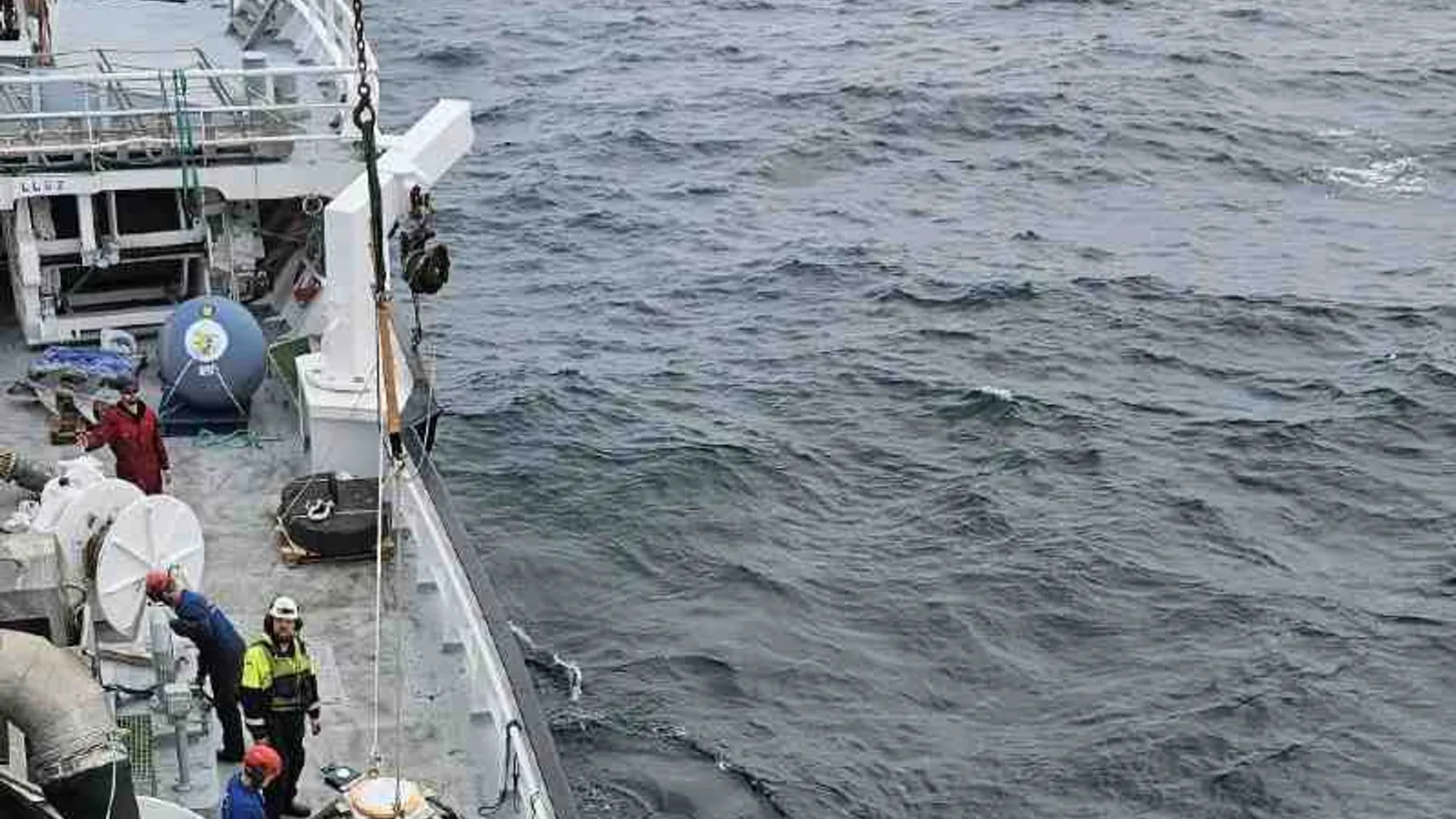
Ørsted pilots tech to reduce noise during monopile installation
Pamela Largue
Posted on: 12 July 2024
Danish energy major Ørsted has successfully tested a new installation method on three monopile foundations designed to reduce noise.
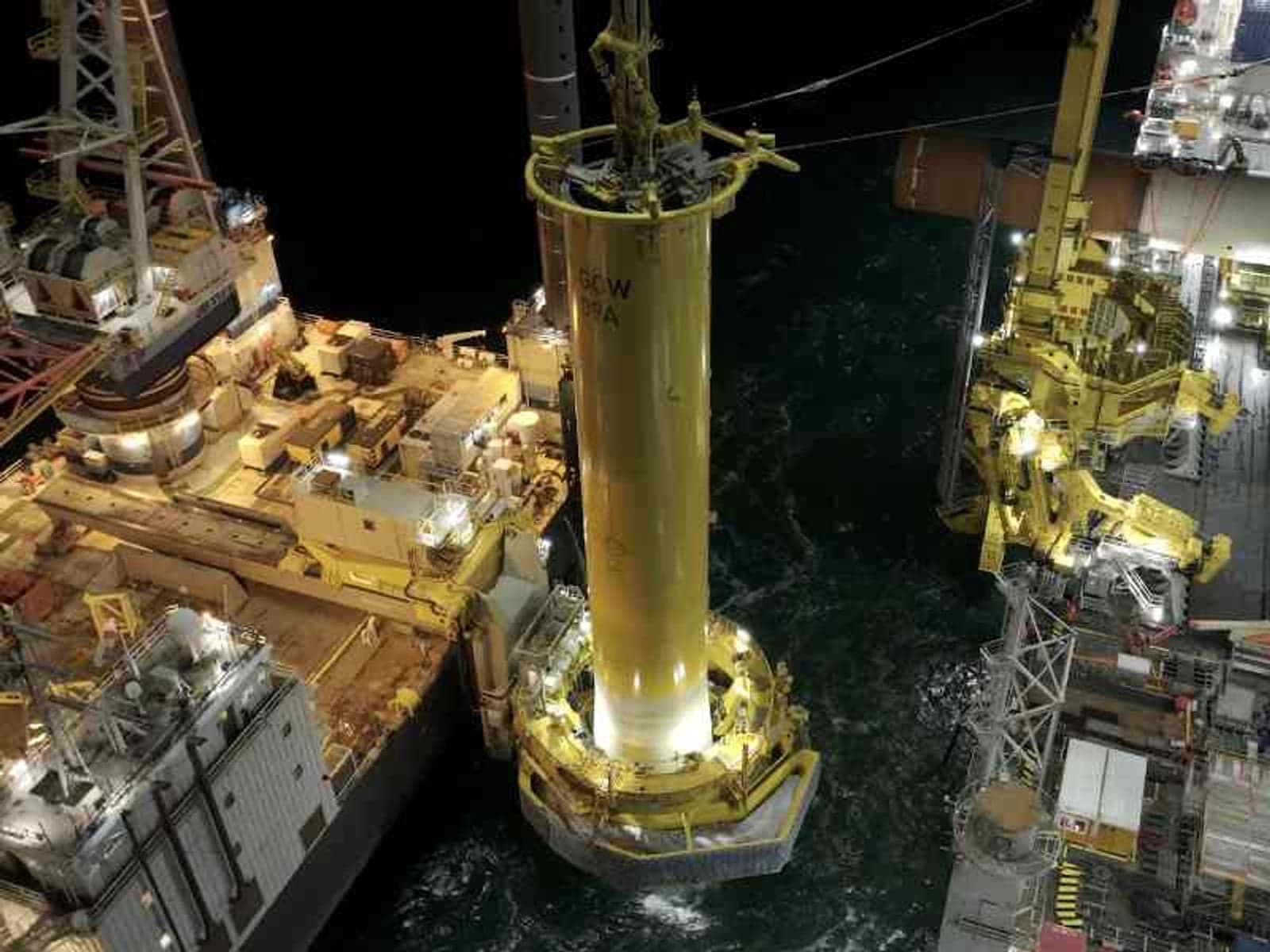
Danish energy major Ørsted has successfully tested a new installation method on three monopile foundations designed to reduce noise.
The industry-first test was performed at the new German offshore wind farm Gode Wind 3.
In a release, Ørsted explained that the method involves a patented jetting technology attached to the monopile, which lowers the resistance of the surrounding sandy soil. This allows the foundation to sink into the seabed, replacing the traditional method of pile driving that uses impact hammers and is a major source of noise and vibration.
Have you read?
Global Initiative for nature, grids, and renewables launched
Pioneering wooden turbine blade prototype installed in Germany
Ørsted claims that using the new technology has substantially reduced underwater noise levels, noting a reduction of 34 decibels compared to the most commonly used installation method.
Ørsted will now assess the feasibility of using the technology for future projects, specifically on more complex ground conditions around the Gode 3 wind site.
Patrick Harnett, executive vice president and COO at Ørsted, said: “This new technology is a potential game changer for how we build offshore wind. Once industrialised, it could not only be cheaper, faster, and far quieter – without additional mitigation – than any other monopile installation technology, it also has the potential to make next-generation foundations lighter as they won’t need to be designed for conventional installation process.”
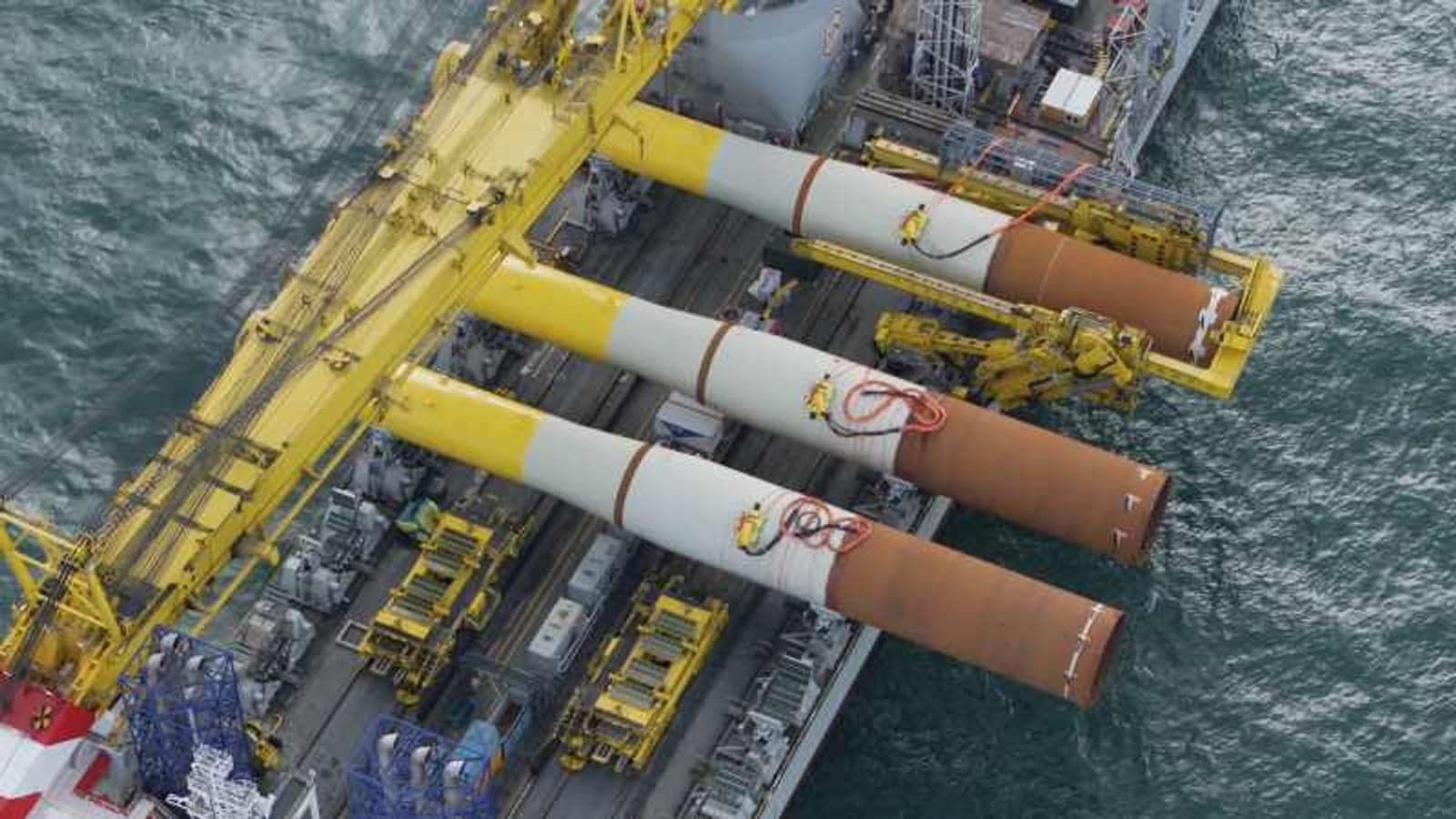
Ørsted carried out the installation with Jan De Nul Group and their installation vessel Les Alizés, as well as contractor Aarsleff.
Wind turbines have already been installed on top of the foundations and Gode Wind 3 is expected to start commercial operation later this year.
According to Ørsted, continually harnessing innovative technology will make renewable energy more affordable, reliable and sustainable. To this end, the company has dedicated in-house R&D capabilities and has partnered with over 50 universities and research institutes to help bring the best ideas from the lab to the field.
The impact of noise
Research compiled by sustainability firm SLR Consulting indicates that installing traditional offshore wind turbines using monopile foundations can generate underwater noise that may affect some marine species.
Both the impulsive noise from monopile installation, as well as continuous noise from offshore wind turbines can "interfere with the natural soundscape of the marine environment and cause acoustic masking, behavioural changes, physiological stress, hearing impairment, or injury".
The research shows that monitoring noise levels and using noise-reduction strategies or alternative foundations are recommended.