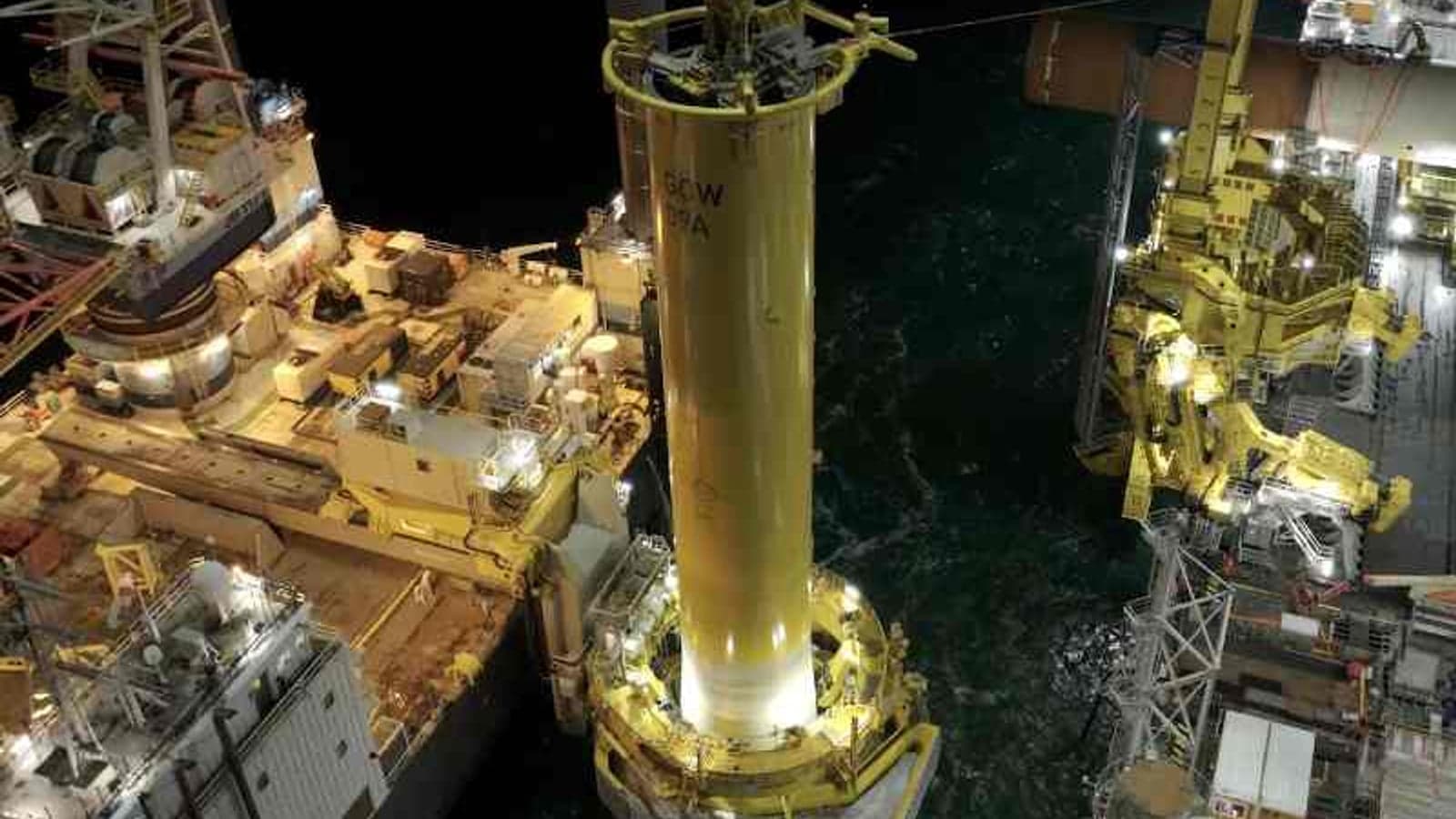
Salamander offshore wind farm deploys sensors to monitor marine life
Pamela Largue
Posted on: 21 August 2024
Salamander has partnered with two Scottish universities to investigate the potential impact of floating wind farms on marine ecosystems.
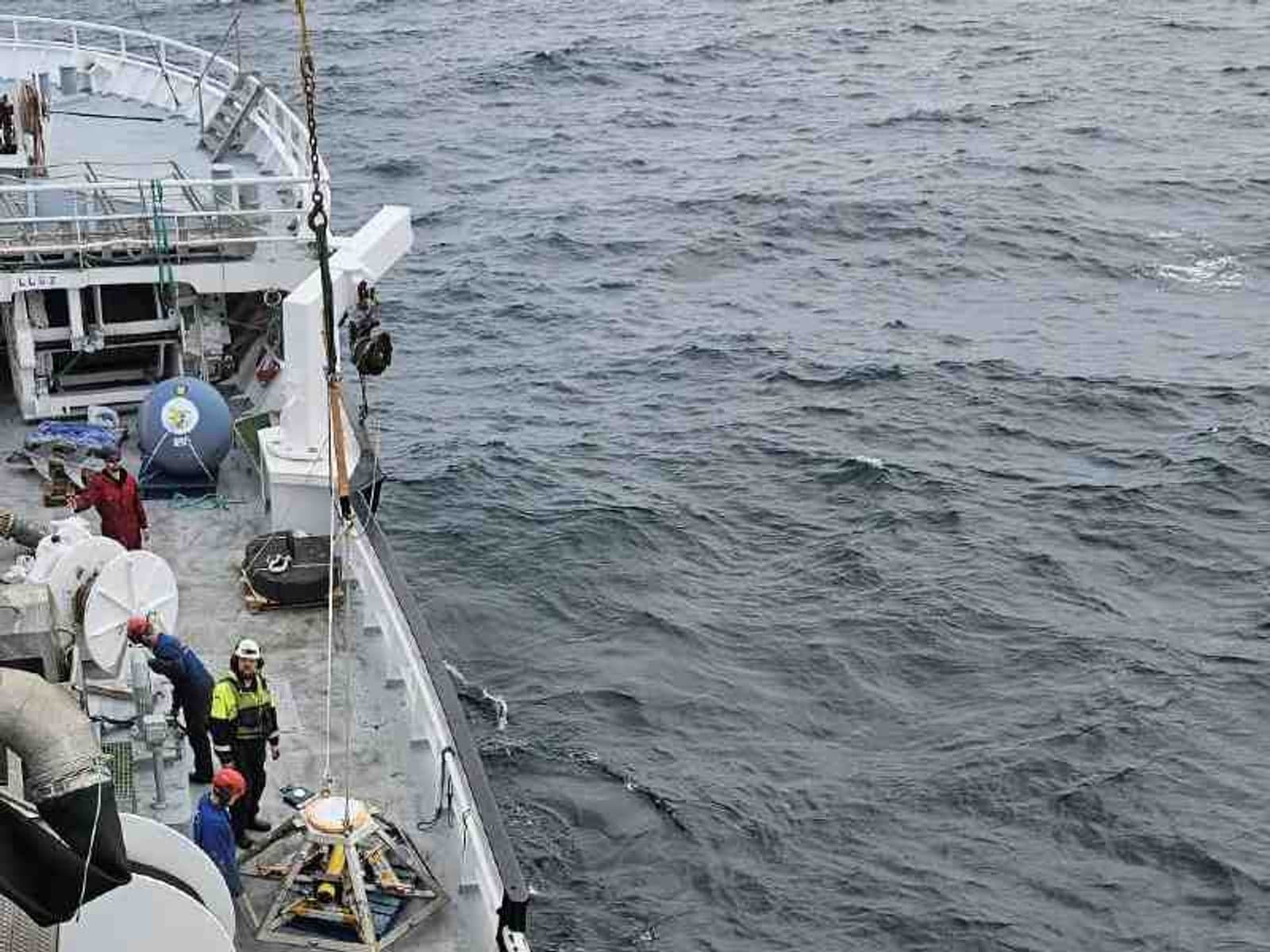
Salamander, a joint venture between Ørsted, Simply Blue Group and Subsea7, has partnered with two Scottish universities to investigate the potential impact of floating wind farms on marine ecosystems.
To this end, the research team, led by the University of the Highlands and Islands’ (UHI) Environmental Research Institute and the University of Aberdeen, has deployed PREDICT 2.0 on the Salamander floating wind site.
PREDICT 2.0 is a system of sensors, including fluorometers (used to measure parameters of visible spectrum fluorescence) and echo sounders (a system that uses sonar), that will gather data on fish presence and behaviour.
This data will help identify the potential impacts of floating offshore wind on variations in fish movement and their availability as prey.
When the programme is complete, the equipment will be completely removed.
Have you read?
The Crown Estate launches phase two of Celtic Sea wind leasing round
Winning bids announced for US Central Atlantic wind auction
Tom Brown, Salamander’s innovation manager, commented in a release: “This multi-year initiative aims to help us develop a deeper understanding of fish migration patterns and how these can be better monitored. The goal is to improve siting of offshore wind farms to minimise any impact on fish and their predators.
“We already know that the demand for offshore renewable infrastructure is increasing exponentially and by ensuring we can appropriately research new project locations, we can more sustainably build a path to a better energy future while protecting the environment.”
Added Dr Benjamin Williamson, associate professor of energy at UHI: “Marine sensing is vital to understand the environment around floating offshore wind farms. Robust information and evidence are needed to inform where offshore wind developments should be located to better protect marine ecosystems. This exciting research will help to understand the drivers of variation in fish movement and the potential for environmental interactions with offshore wind.”
The 100MW Salamander floating wind project is located 35km off Peterhead on the East Coast of Scotland.
The project will contribute to the delivery of the Scottish Government’s target of 11GW of offshore wind by 2030 and the UK Government’s target of 5GW of operational floating offshore wind by the same date.
In May 2023, Salamander signed an exclusivity agreement as part of Crown Estate Scotland’s Innovation and Targeted Oil and Gas (INTOG) leasing round.
As part of the INTOG bid, the Salamander project partners committed to this research in an effort to boost project sustainability and minimise the impact on marine ecosystems.