Partner content
A citizen-centred approach to renewable local energy system innovation
Guest/partner contributor
Posted on: 26 November 2024
The EU-funded SUSTENANCE project aims to set up sustainable citizen-centred renewable local energy systems.
The EU-funded SUSTENANCE project aims to set up sustainable citizen-centred renewable local energy systems, writes Frans Coenen, University of Twente.
The focus is not only to build local, sustainable, and efficient integrated energy systems but also to make these systems a vital part of the future of the community where people live.
In a citizen-centred approach, citizen involvement and motivation become the criteria for success and the basis for achieving the result of novel carbon-neutral energy communities.
The challenge
The ambitious journey to carbon-neutral energy villages and towns is being aligned with the introduction of smart energy technologies.
The challenge is to follow a citizen-centred perspective, involving citizens in their roles as individuals and members of their communities to play a crucial role in the energy transition. Their active participation, beyond simply being consumers of energy, drives system change and is essential for the success of the SUSTENANCE project.
This also asks for collective community action. The inhabitants form communities in the sense of a group living in the same place, but they can also form communities sharing common energy interests.
Find out more about:
EU-funded energy projects
Energy system resilience through ‘energy modi’
Empowering energy consumers
The solution
How do we achieve citizen-centred energy system changes? One key aspect of innovative solutions is their adaptation and diffusion. Energy systems won't transition overnight into 100% sustainable systems.
The vision of creating communities free from carbon emissions requires a significant shift in our current energy systems, and changes in policies, consumer behaviour, and business models. A citizen-centred approach means the transition is inherently a local socio-technical system innovation.
To reach the adaptation and diffusion of innovative solutions in a socio-technical system, not only technical barriers like the maturity of the technology but also the social part forms barriers to implementation, for instance, because of regulation, costs and social acceptance.
Successful examples of innovations play a crucial role in demonstrating what is achievable and what the potential impacts are. Developing a new local energy system involves experimentation within the existing state-of-the-art energy technology market to help us understand what works technically and in society.
Because the SUSTENANCE project adopts a socio-technical systems approach, it recognises that complementary organisational and social changes in the communities must accompany changes in the technical components of the system.
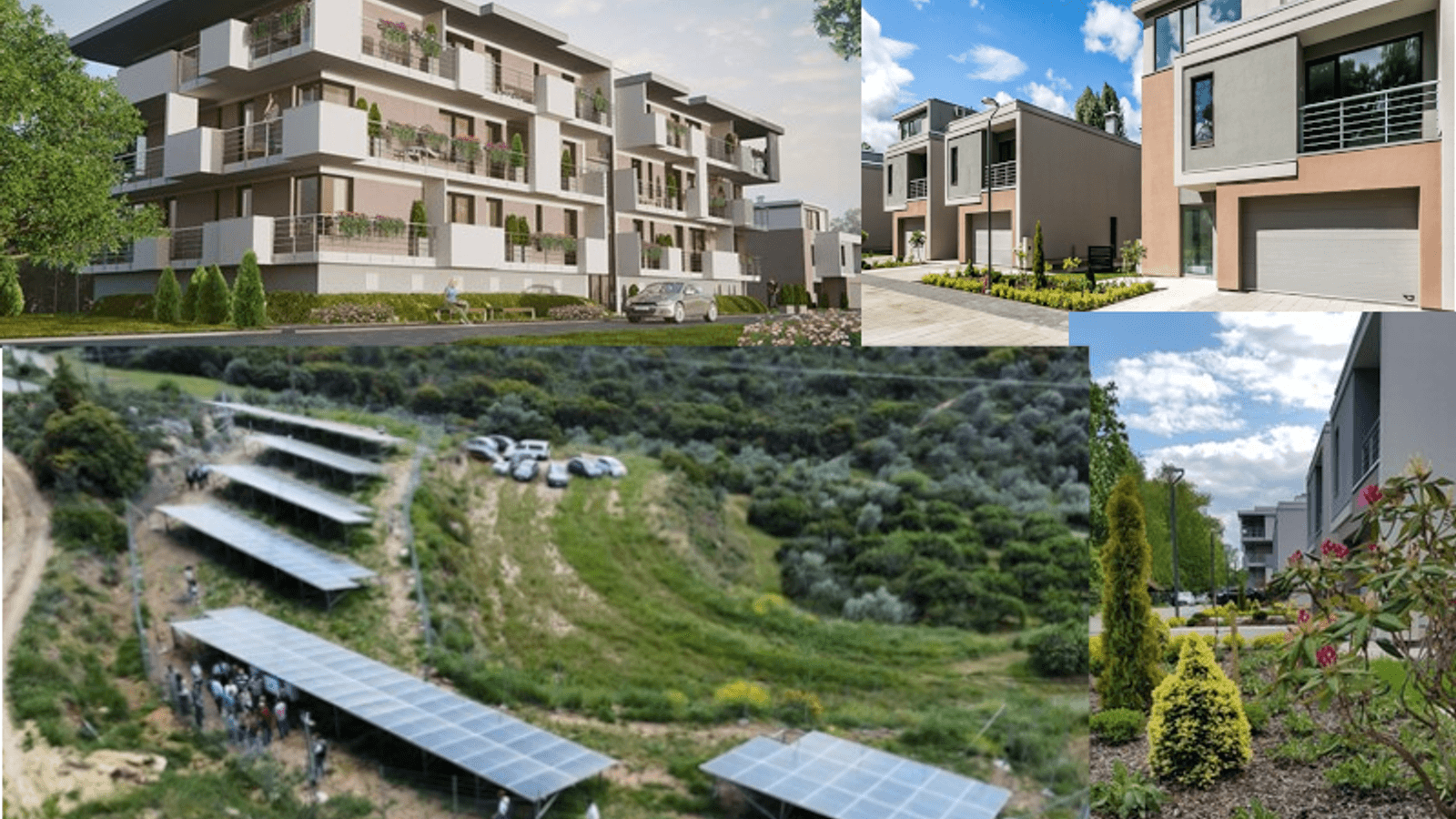
Learning from experiments benefits from comparing different experimental settings. SUSTENANCE demonstrates system innovations in Denmark, India, the Netherlands , and Poland – four countries with different local energy resources, socioeconomic character, user behaviour, political structures, and market conditions and regulations.
The results show that the same technical concepts, such as storage solutions, intelligent control schemes, and digitalisation, can be applied in all cases and under specific conditions. Many conditions are not technical but socio-economic.
Impact and lessons learned
Citizens play a vital role as the end-users of energy solutions. An important lesson is not just to drop a technology in a community, even if it is just seen as a technical experiment. Citizens know their communities' energy needs and challenges first-hand, which can inform innovative solutions with real-world insights and help to uncover unmet needs.
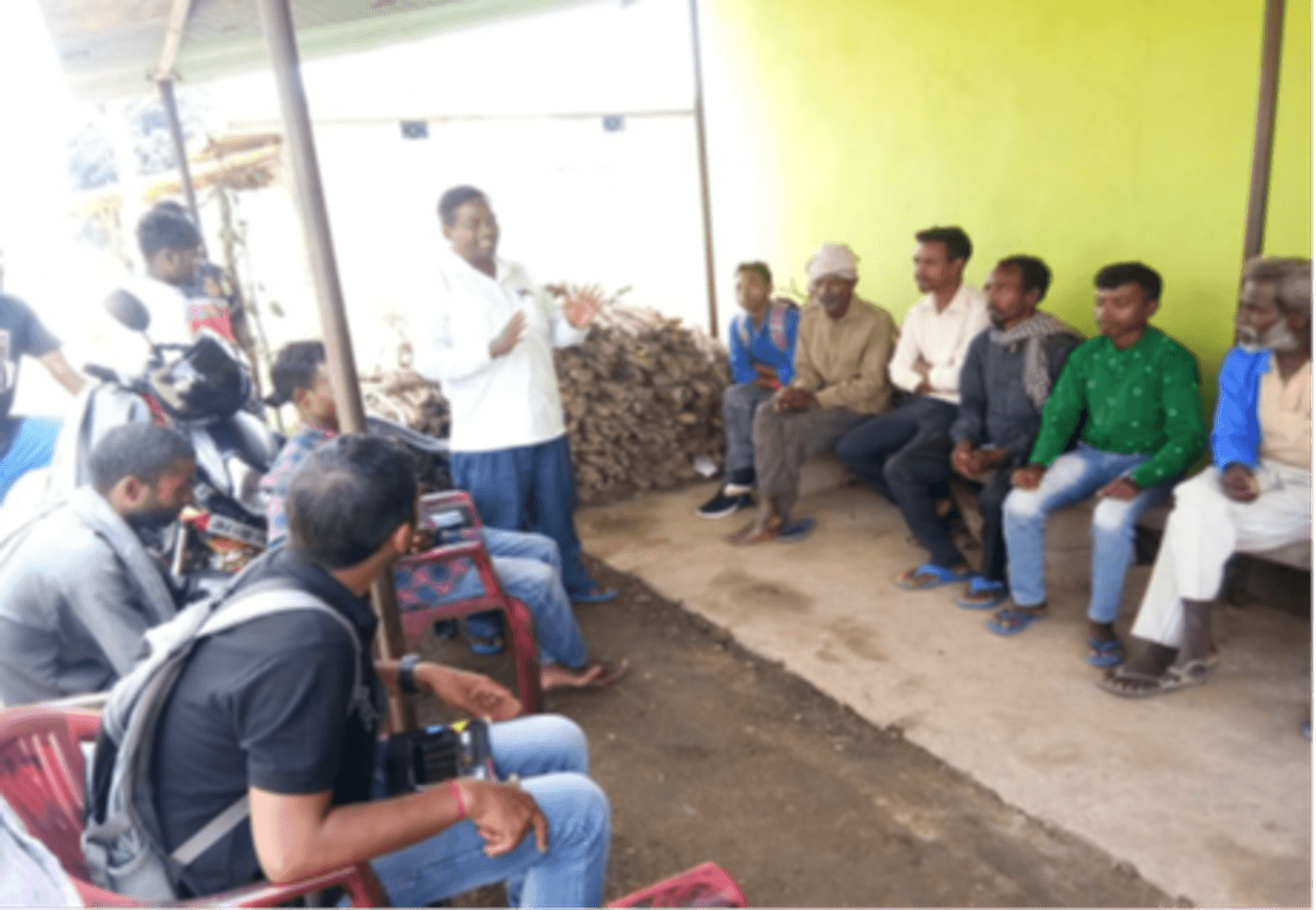
Their feedback and demands can frame their problems differently. In the Polish demo apartment building, the residents raised the issue of the safety of the coal-fired individual warm tap system that was replaced by a more sustainable collective system. Alternatively, in the case of the rural village in India, they defined the best community use of the electrical rickshaw.
Citizens also play an essential role in creating and realising the necessary conditions for technical system innovations. As individuals, citizens make the conditions for a local energy transition by choosing renewable energy providers, equipment, and investments in renewable energy generation. Their support for renewable energy also influences policymakers to prioritise renewable energy initiatives.
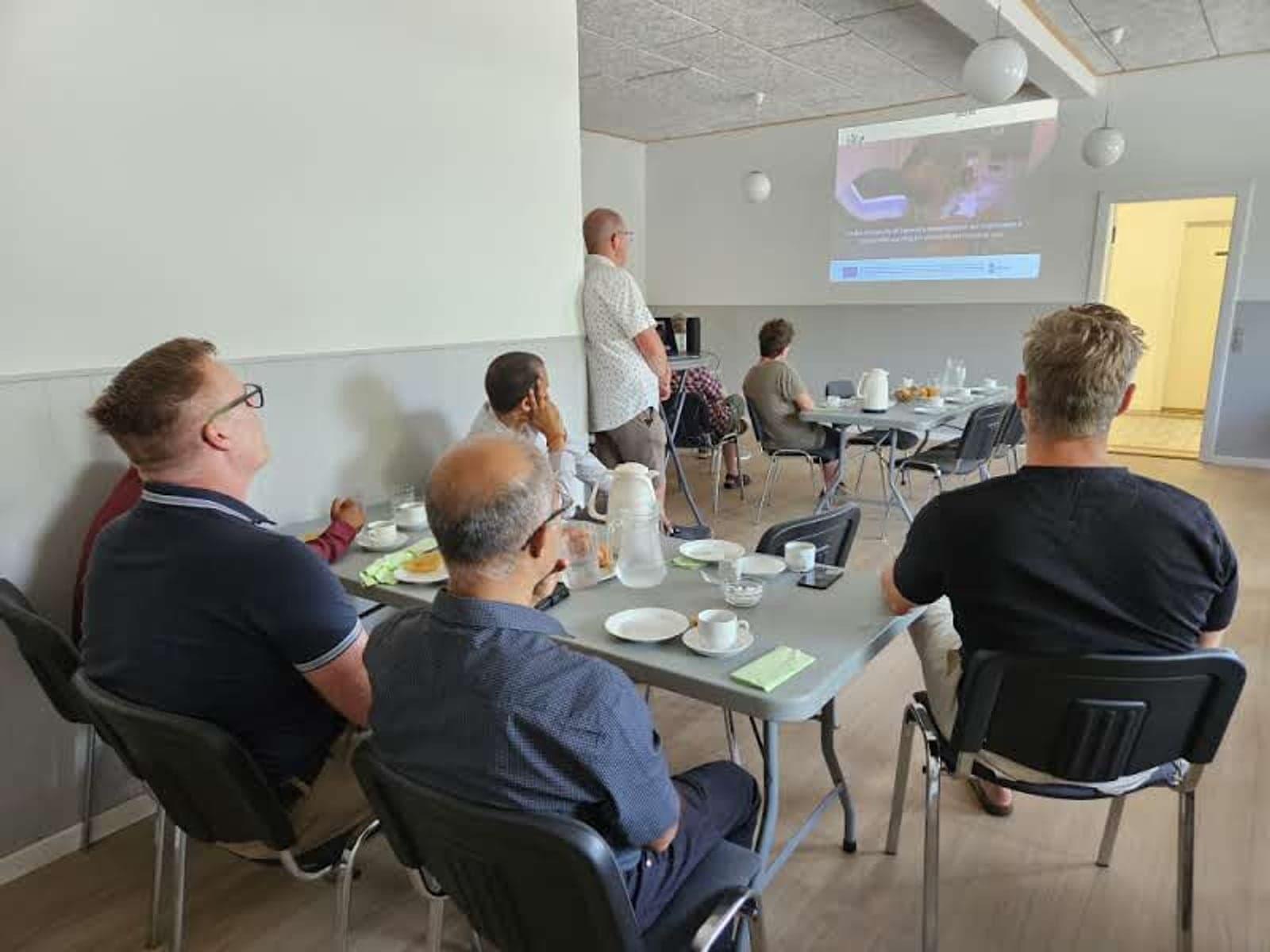
Citizen involvement contributes to the social acceptance of renewable energy innovations. By acting as early adopters of new technologies, they can help prove their viability and scalability. In the Danish demo, the heat pump and accompanying energy management software raised the interest of many other municipality inhabitants.
User involvement in the innovation process is necessary because the iterative improvement of energy services or products is realised through user feedback. This allows for the continuous refinement of products and services, ensuring they meet customer expectations and optimise innovative solutions.
In the Slimpark demo case in the Netherlands, users of EV charging played a crucial role in developing the user dashboard and understanding the behavioural process of how and when people want to charge their EV car, ultimately leading to more sustainable EV car charging.
In the Aardehuizen and Vriendenerf demo sites, citizen science was used to actively engage citizens in data collection and analysis to contribute to the research into innovations.
In collective actions, citizens come together to find new innovative pathways to reach local energy transitions. A well-known form of collective action is citizens forming formal and informal energy communities, which enable collective and citizen-driven energy actions.
Energy communities are best known for projects where citizens can invest in or participate in community-owned renewable energy projects, such as solar farms or wind turbines. However, successful energy community initiatives can develop all kinds of bottom-up innovative solutions.
In the SUSTENANCE project, collective action is undertaken in EV transport, energy efficiency and individual heating systems.
The SUSTENANCE demos, particularly the Danish case, show the potential of demand flexibility projects through collective action. In the context of EV charging, if the system is operated as a shared energy resource, the individual EV charging decisions which can otherwise impact the potential for others to charge simultaneously, can be overcome by forming an energy community.
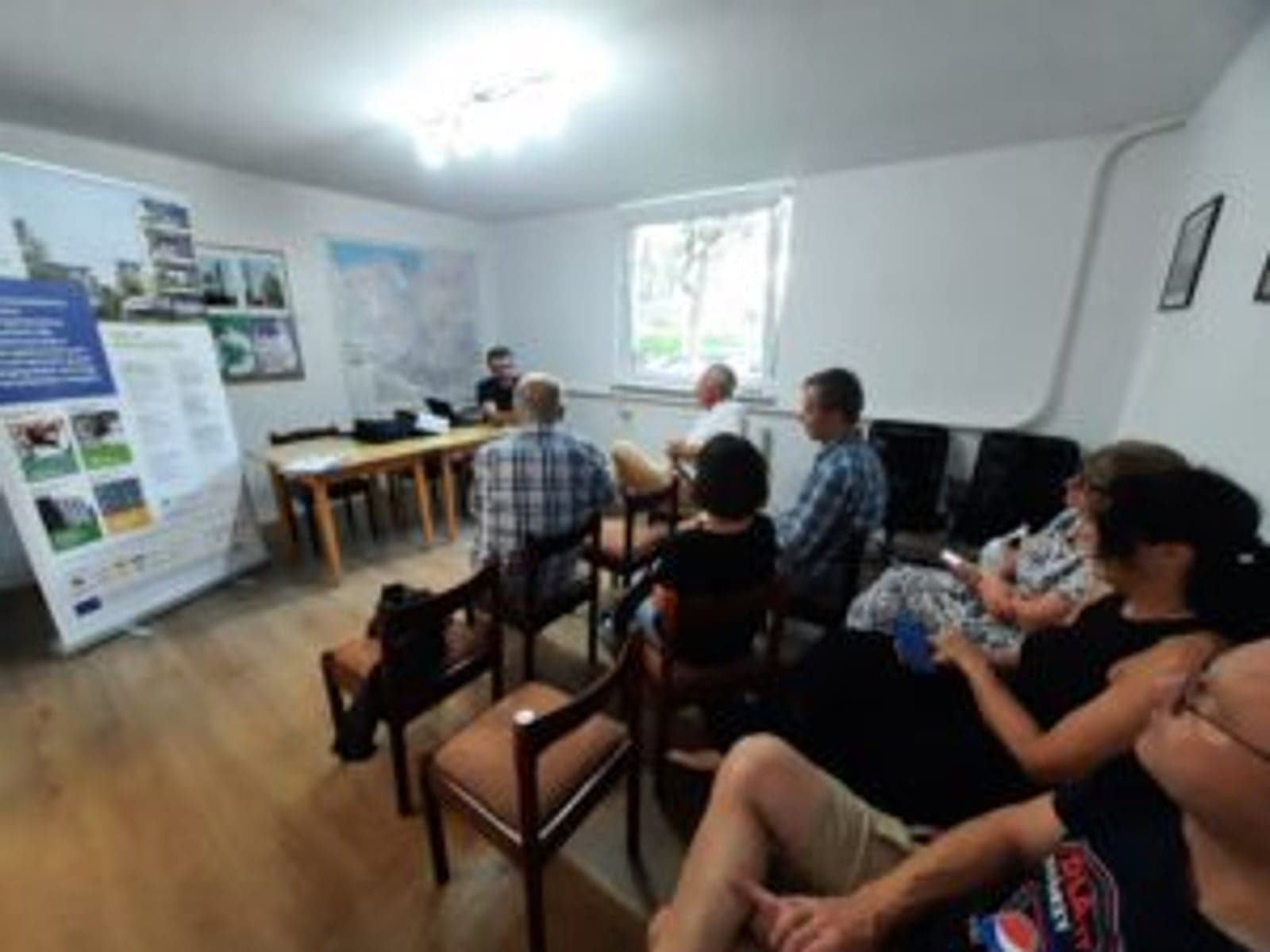
Some communities have a lot of in-house expertise and in-depth knowledge of local conditions, which is invaluable for tailoring energy solutions to specific needs. They can develop bottom-up innovations where the market is not ready and use favourable sandbox regulation.
Aardehuizen is a bottom-up, self-build housing project that has developed pathways to the energy transition. However, these initiatives also show the need for a lot of voluntary work and stamina by the volunteers involved and the need for collaboration with others. The SUSTENANCE project seeks and stimulates cooperation between energy communities, grid operators, policymakers, and other (research) institutes.
The most important lesson of SUSTENANCE is that communities do not have to be formally based on EU directives and rules. In several demo sites, other community organisations played an active role, although they were founded for different purposes. Examples are the village councils in the Indian and Danish cases and the organisation of apartment owners in the Polish case.
Formal energy communities, like energy cooperatives, have clear advantages because their democratic organisations and legal and business models allow citizens to own and manage energy resources collectively. However, establishing new formal communities is difficult over the lifespan of a 4-year project.
Meanwhile, other democratic community organisations like village councils and home owners' associations are willing to take up energy tasks directly.
About the author Bio
Frans Coenen is an associate professor in the Section of Governance & Technology for Sustainability (CSTM) at the University of Twente (UT), the Netherlands. His research field is socioeconomic barriers in the energy transition and the role of citizen participation.
Most popular
Join the community for freeAnd get access to all content
Related projects
SUSTENANCE
+8
1 July 2021 - 31 December 2024
View projectRelated members

Morten Veis Donnerup
NEOGRID Technologies
Project Manager
Latest content
+6
DEDALUS: Empowering citizens to shape the future of energy
The DEDALUS project is redefining residential energy demand response by putting end-users at the heart of sustainable energy solutions. Through advanced technology and a user-centred approach, this Horizon project empowers residents to actively manage their energy consumption as part of the green transition, fostering a future where people and technology work together for a resilient energy ecosystem.
- Guest/partner contributor
- 03/02/2025