Empowering energy consumers: How ECLIPSE is redefining engagement for a smarter future
Guest/partner contributor
Posted on: 28 July 2025
The purpose of the ECLIPSE project is simple but powerful: to deliver real, tangible benefits to everyday consumers while contributing to a more flexible and resilient grid.
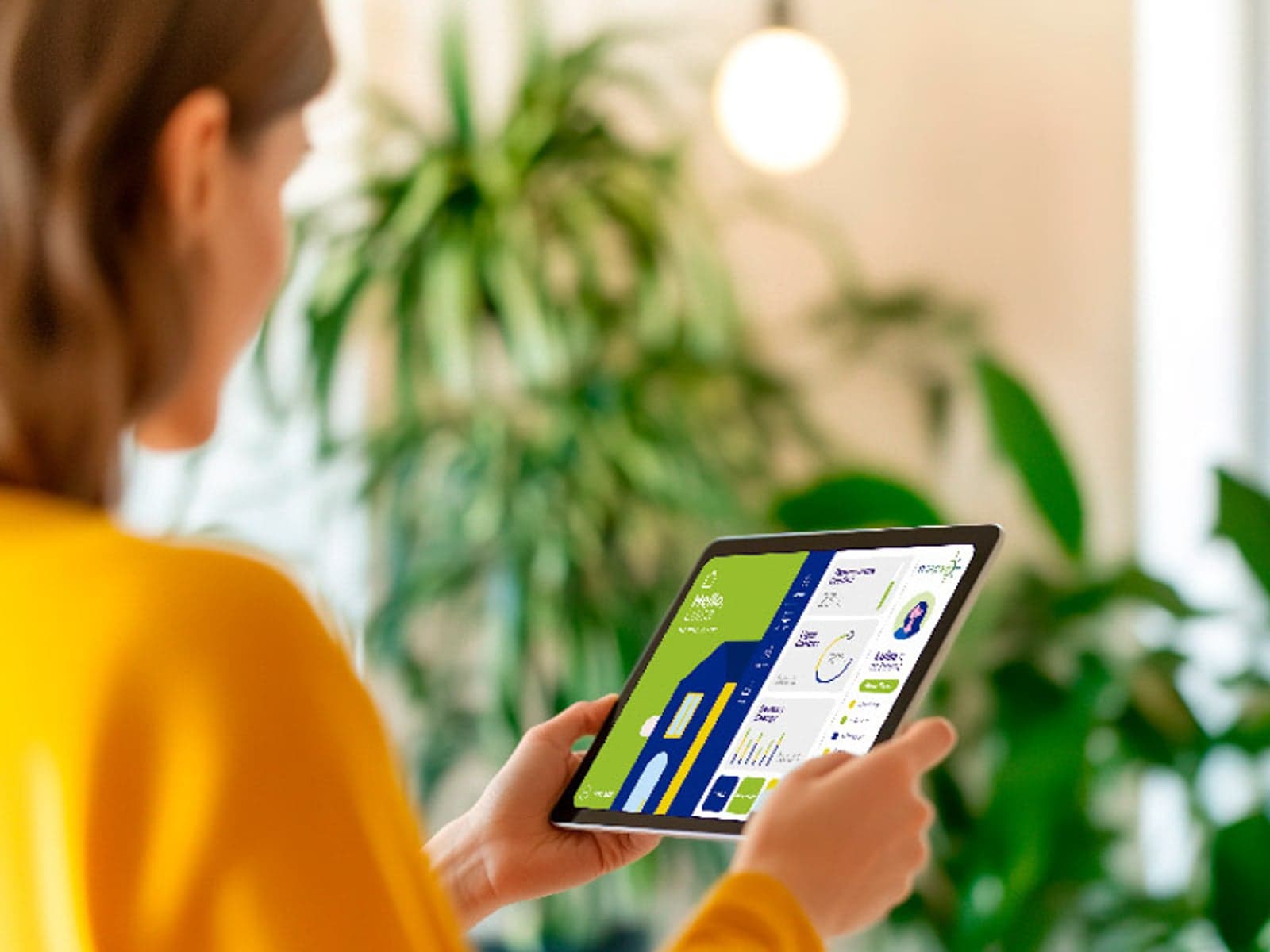
The purpose of the ECLIPSE project is simple but powerful: to deliver real, tangible benefits to everyday consumers while contributing to a more flexible and resilient grid.
The energy transition is not just about technology, it’s about people. As Europe shifts toward a more decentralised, digital and sustainable energy model, engaging and empowering the energy consumer is more important than ever.
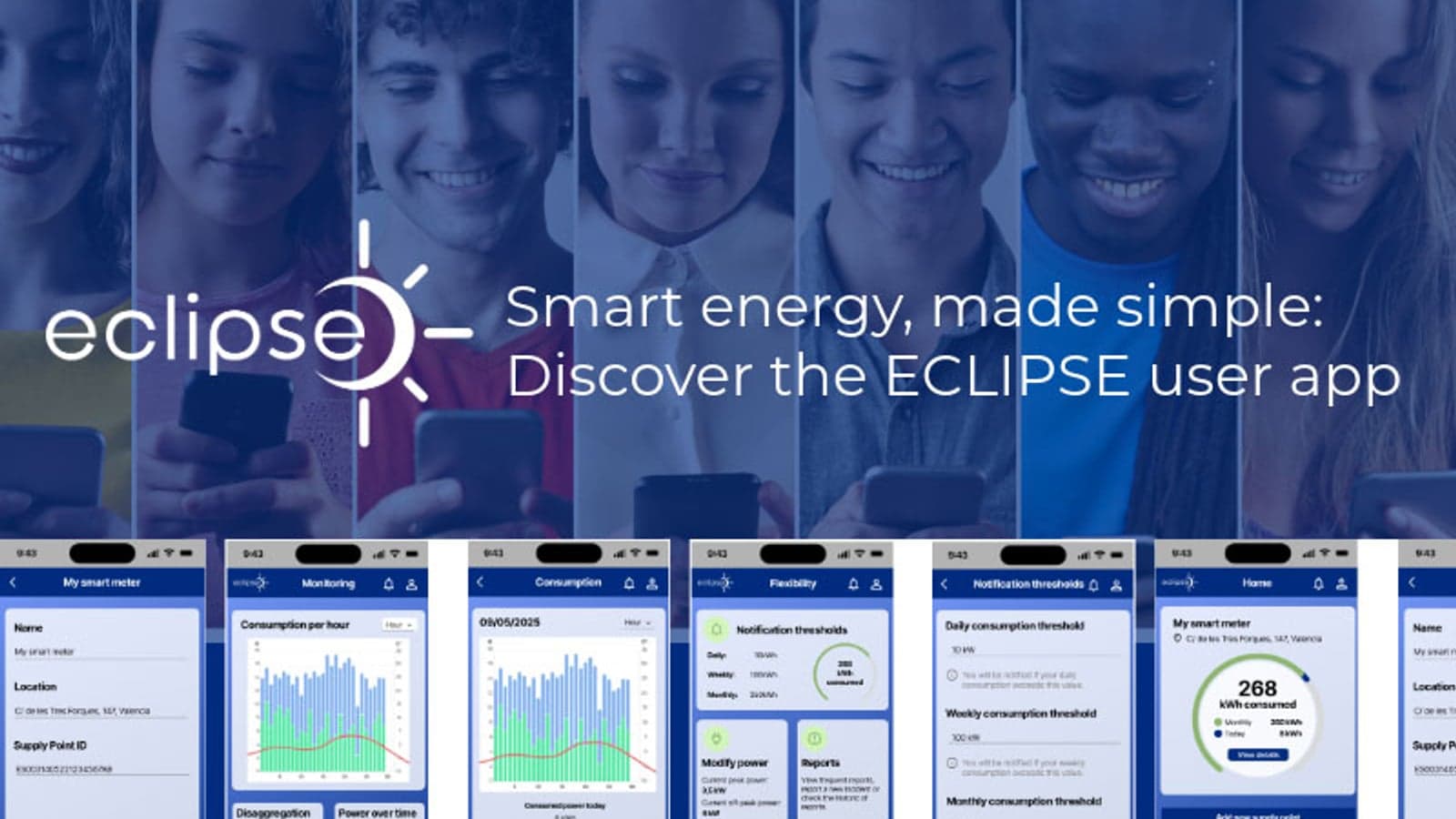
The ECLIPSE project puts the end-user at the centre by developing an intuitive energy monitoring application and a Common European Reference Framework (CERF) that together help consumers understand, control and optimise their energy use.
Making energy engagement meaningful
Despite the growing availability of smart meters, energy platforms and renewable technologies, many consumers remain passive participants in the energy system. Why? Because current tools often lack user-friendliness, clear incentives or personalisation.
Without real-time feedback, tailored insights or relevant motivations, energy usage remains abstract and disconnected from daily decisions. ECLIPSE is here to change that.
To better understand the current landscape and user needs, ECLIPSE conducted a dedicated survey on energy monitoring apps, collecting nearly 300 responses across Europe.
The survey explored:
• Whether consumers currently use such apps.
• Which features they find most valuable.
• Common barriers to adoption (e.g. usability, trust, relevance).
• What functionalities would better serve their daily energy decisions.
The insights gained from this research are directly informing the design of the ECLIPSE application, ensuring that it is rooted in real user experiences and expectations.
A framework built around the consumer
At the heart of ECLIPSE’s strategy are a set of five user-focused engagement strategies designed to meet consumers where they are and guide them toward smarter energy behaviour. These use cases power the app’s features and ensure the tools are not only technically robust but also emotionally and practically relevant to different user motivations.
1. Economic benefits for demand response
What if your energy app could tell you when shifting your consumption would actually save money? ECLIPSE makes this possible through real-time notifications and personalised messages linked to cost-saving opportunities. By integrating demand response incentives, such as lower bills or financial rewards, users are encouraged to reduce or shift their energy use at key times.
Why it matters: Consumers gain control over their expenses while supporting grid balance.

2. Non-economic incentives for voluntary action
Not everyone is driven by cost. That’s why ECLIPSE includes non-monetary motivators such as sustainability rankings, eco-badges, community challenges and public recognition. These tools appeal to individuals who are more influenced by environmental values and social impact.
Why it matters: It engages a broader audience and fosters community-wide participation in energy efficiency.
3. Technology adoption for efficiency
The ECLIPSE app guides users through the benefits of adopting energy efficient technologies like smart thermostats, solar panels, home batteries and heat pumps. The app connects the dots between technology investment and long-term savings, providing data-backed insights and user friendly recommendations.
Why it matters: It demystifies technology and supports smarter purchasing decisions that reduce consumption.

4. Alerts for extreme grid situations
Grid emergencies can happen, and consumers can help. ECLIPSE enables alert-based messages during high stress periods, inviting voluntary reductions in usage to ease pressure on the system.
Why it matters: It turns users into real-time contributors to grid stability and energy security.
5. General energy efficiency guidance
Sometimes, simple is best. Through accessible tips, tutorials and workshops, ECLIPSE educates users on everyday actions, from using appliances efficiently to improving insulation or generating their own energy. The app becomes a daily partner in long-term sustainability.
Why it matters: It builds energy literacy and long-term behavioural change.
From awareness to action
By merging digital innovation with human-centred design, ECLIPSE transforms passive consumers into active energy participants. The app and CERF are being tested across 16 pilot sites in Europe, allowing for real-world validation and continuous improvement.
Already, early demonstrations have shown:
• High levels of consumer interest in real-time consumption feedback.
• Increased willingness to participate in demand side actions when incentives or alerts are clear.
• Greater trust in the energy system when communication is transparent and personalised.
These outcomes position ECLIPSE as a scalable solution not only for improving grid flexibility, but also for achieving EU decarbonisation goals through citizen involvement.
Want to learn more?
ECLIPSE is more than a research project – it’s a movement toward a consumer-centric energy future.
Together, we’re building an energy system where everyone has a voice – and a benefit. But making that vision work across countries, platforms and apps requires more than innovation – it needs standardisation.
That’s why ECLIPSE is also defining the CERF as a shared standard to ensure all energy applications can deliver seamless, user-centric services across Europe.
Watch our short video to learn why a common standard is key to empowering consumers everywhere:
Visit: https://eclipse-digital.eu
Subscribe to our newsletter.
Follow us on LinkedIn and X.
About the authors

Maria Provecho is Communication Manager for EU Projects at ETRA I+D. She has a Bachelor’s degree in Commerce and Marketing, with a Master’s in Social Media Management. She is currently leading the communication strategy and actions for several EU-funded projects coordinated by ETRA, including OPENTUNITY and ECLIPSE.
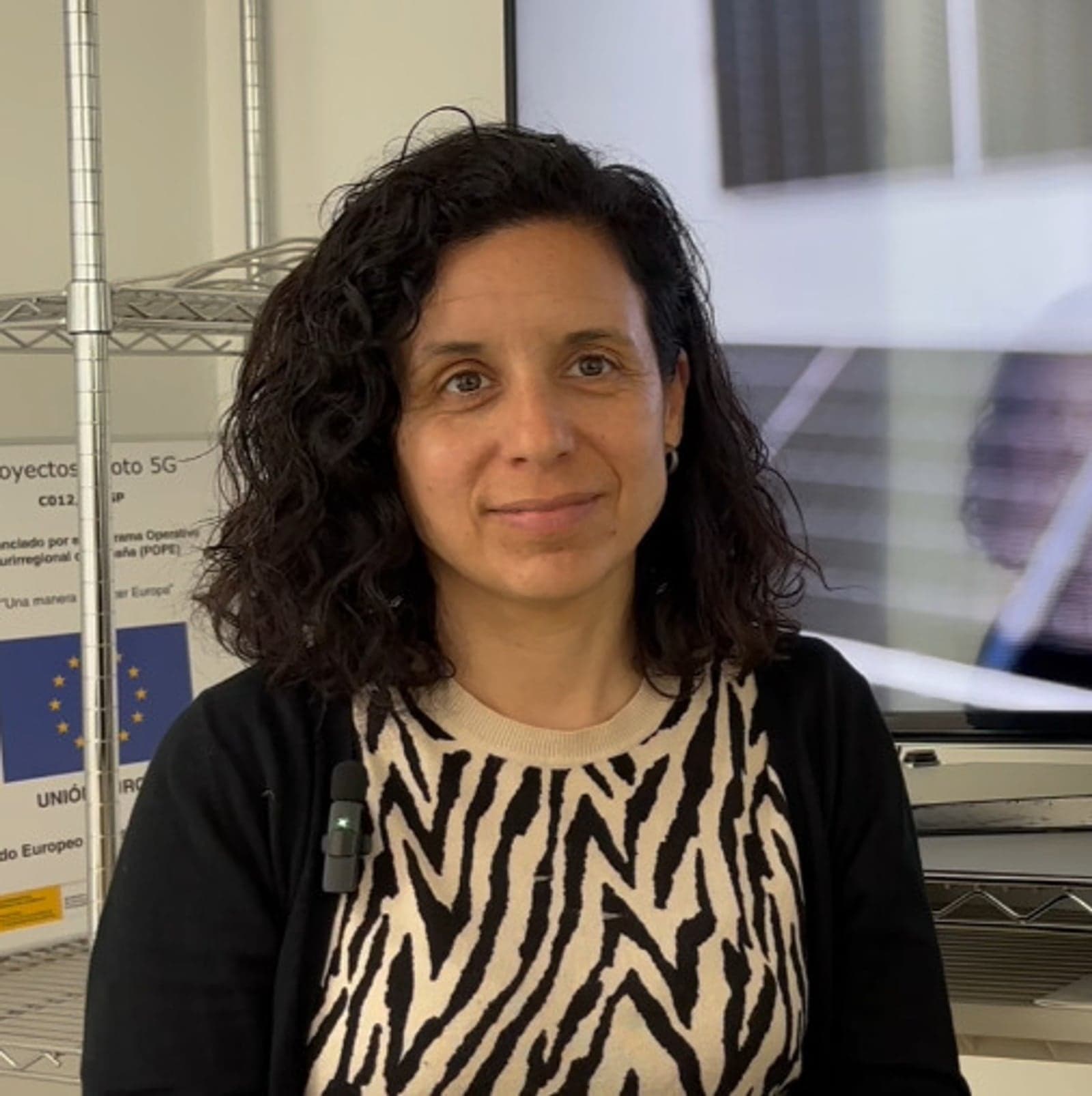
Lola Alacreu is a senior project manager in ETRA I+D, coordinating and participating in several Horizon Europe and H2020 projects including ECLIPSE, X-FLEX and NOBELGRID. She is an Industrial Engineer from the Polytechnic University of Valencia and also has worked as an external expert for the European Commission.
Related tags
Most popular
Join the community for freeAnd get access to all content
Related projects
ECLIPSE
+3
1 September 2024 - 31 August 2026
View projectLatest content
+6
DEDALUS: Empowering citizens to shape the future of energy
The DEDALUS project is redefining residential energy demand response by putting end-users at the heart of sustainable energy solutions. Through advanced technology and a user-centred approach, this Horizon project empowers residents to actively manage their energy consumption as part of the green transition, fostering a future where people and technology work together for a resilient energy ecosystem.
- Guest/partner contributor
- 03/02/2025