A new narrative for Poland's energy transition
Pamela Largue
Posted on: 22 July 2024
Poland is well known for being a conservative society with less enthusiasm for energy transition. Despite this legacy| times and attitudes are changing.
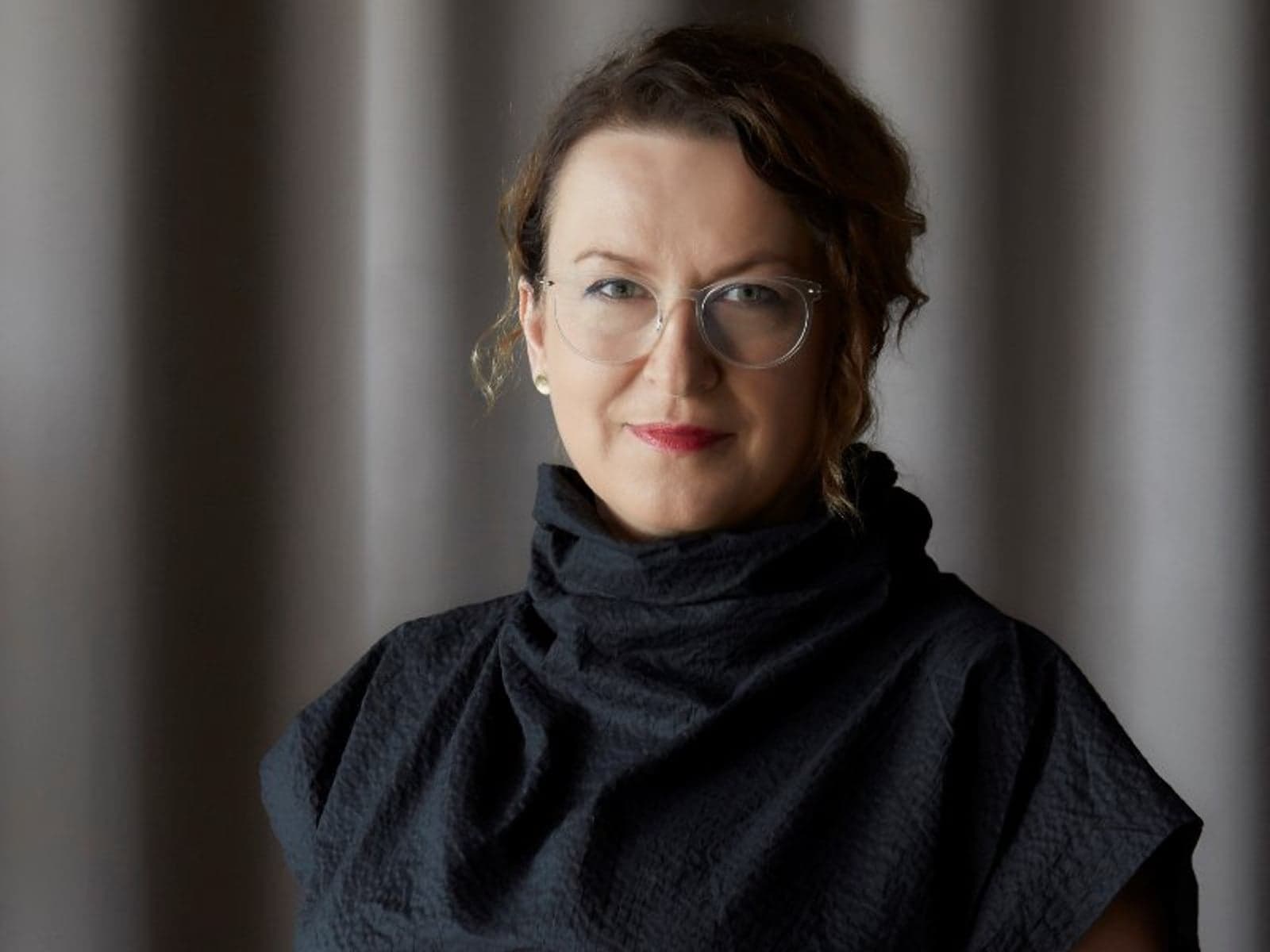
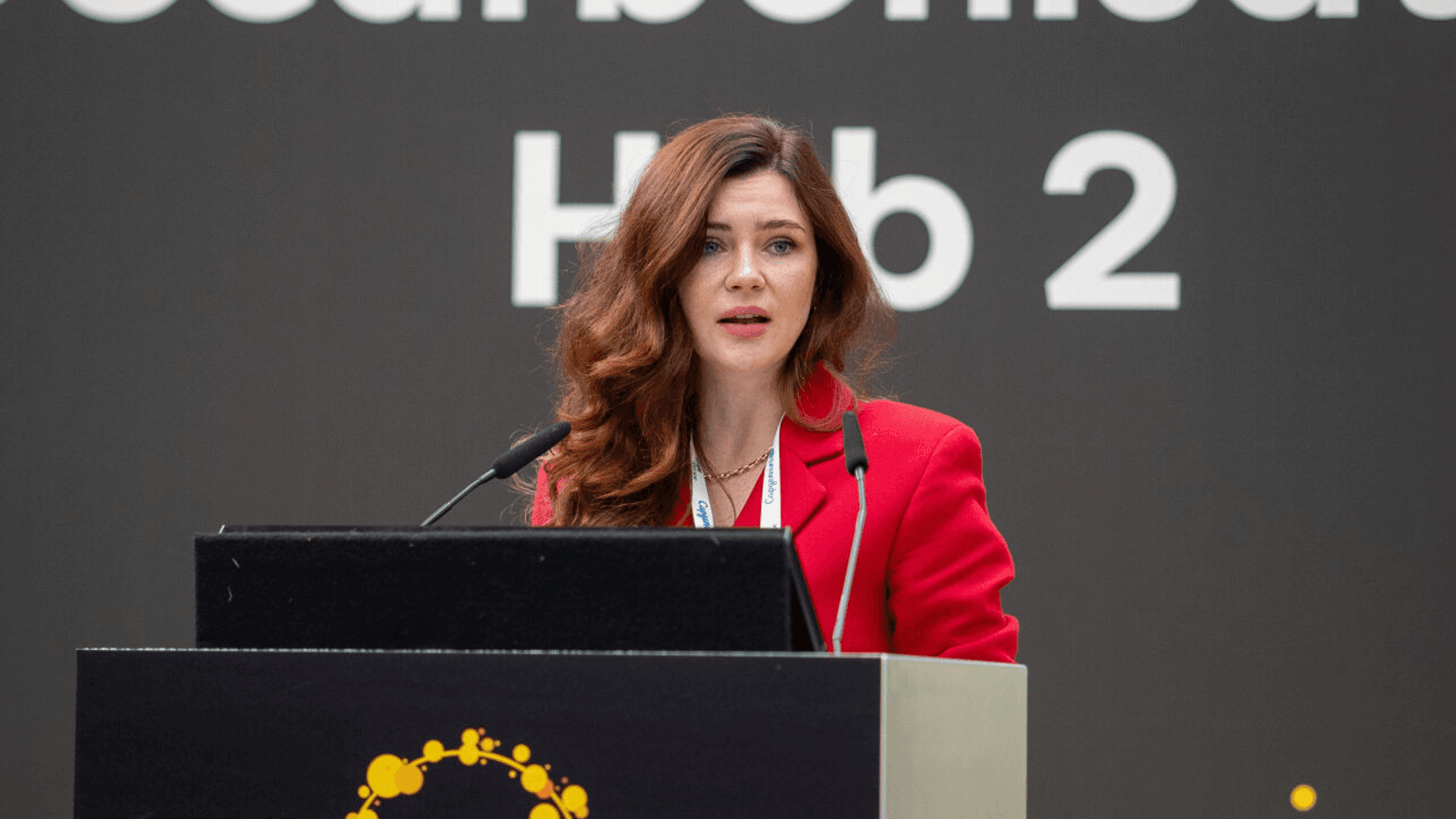
Joanna Pandera, founder and president of Polish think tank Forum Energii, highlights how Poland is advancing its decarbonisation journey and why the mindsets of governments and the public are becoming less change-averse.
Poland is known for being a conservative, coal-based society with less enthusiasm for energy transition than its European counterparts. Despite this legacy, times and attitudes are changing.
A lot has happened in recent years that have impacted the trajectory of Poland's energy transition, says Pandera.
She cites a change to a less conservative government, and the energy crisis after the Russian invasion of Ukraine as two factors that continue to shape the energy landscape.
In response to the Ukraine situation and the resulting energy crisis, Repower EU provided a boost to renewable energy expansion in Poland. This was on top of the Green New Deal, which had already got the ball rolling by instituting climate targets.
However, said Pandera: "...The Green New Deal was not well accepted in Poland, acceptance for green topics has been declining. Our government is now working to change that."
"Generally energy transition is not motivated strongly now in Poland," however, Pandera explains that there is a need to modernise the power system, which is recognised, accepted and motivating change.
The Polish government is now looking to phase out coal power and increase renewable energy. "We will see how it will be accepted," she adds.
Have you read?
Enefit Green signs agreement for early-stage onshore Polish wind projects
Poland’s next-gen nuclear programme projected to deliver significant economic benefits
Fostering acceptance of transition
According to Pandera, the biggest risks to Poland's energy transition are disinformation, polarisation, and lack of social acceptance.
This leads to weaker motivation, which could give rise to disorganisation at best and chaos at worst.
If this happens, Pandera warns: "The government will be lost in these narratives and not take action."
Pandera, however, is positive. She states that energy security has become a major motivating factor for change.
She explains that last year Poland bought a lot of fossil fuels from outside the EU, spending roughly 30 billion euros ($33 billion). And even though it's not Russian fuel, it's Saudi fuel. It's expensive and foreign.
Coupled with that, wholesale power prices for industry are high.
"This is now what drives energy transition, how to be independent...how to modernise so it will be cheaper."
Besides the increasing motivation to ensure a secure domestic supply of energy, the attitude of the general Polish public seems to be undergoing change too, said Pandera.
While the change is not huge, when asked, people are now saying they prefer renewable energy sources, such as wind and solar.
Also of interest
Wanda Buk reveals the surprises of Poland’s energy transition
Poland’s energy transition: Two steps forward, one step back
"Growth and development of those resources recently was huge...Rooftop PV had dramatic growth."
And coal resources are depleting, adds Pandera, with few remaining hard coal resources and new lignite mines being heavily protested.
The need for data
Pandera emphasises the vital role of data in the power system.
Forum Energii recently released its 8th annual report, Energy Transition in Poland, on how Poland's power system is developing. It's a tool, she says, to help put pressure on the government to publish more data, and ensure it's transparent.
According to Pandera, the most interesting finding in the report is the dramatic decline of coal-fired power generation. "For the first time in our history, we had 60% of coal share - both lignite and hard coal - in the power mix.
"When I started to work on energy transition 15 years ago it [coal share] was almost 90%."
"Everyone is aware that coal is over, the challenge is now, what will replace it."
Pandera explains that as renewable energy increases, so too does flexibility challenges and the level of curtailment. The system is inflexible on the grid side and the power market still doesn't reward flexibility.
"We need storage and gas plants and we will have coal plants for the next decade but they need to be more flexible," said Pandera.
Changing mindset
"I believe in data, transparency and being completely open about the energy system needs. This is number one. Number two is to listen to people..."
Pandera recommends understanding people's concerns and why they don't accept the energy transition. Also, it's critical to understand the distribution of costs.
Some cities and companies are under great pressure due to energy poverty, she says, and paying bills is a challenge. Pandera suggests assisting those who are struggling by spreading the costs between those who can afford it.
With the EU funds available, it is possible to build the plants and capacity required. And investments are available, emphasises Pandera, but must be incentivised.
"Poland, a country most reliant on coal, is now phasing out [coal] quickly…it means we may really become an investment hub in Europe when it comes to energy transition. It’s such an opportunity in my view…for innovative action and collaboration…”
"I am only optimistic," concludes Pandera.
Listen to the full episode of the Energy Transitions podcast with Joanna Pandera to learn more about the opportunities and challenges around Poland's decarbonisation journey.