A solar boom could accelerate the shift away from fossil fuels says IEA
Pamela Largue
Posted on: 24 October 2023
The rise of clean energy technologies such as solar will result in a considerably different global energy system by the end of this decade.
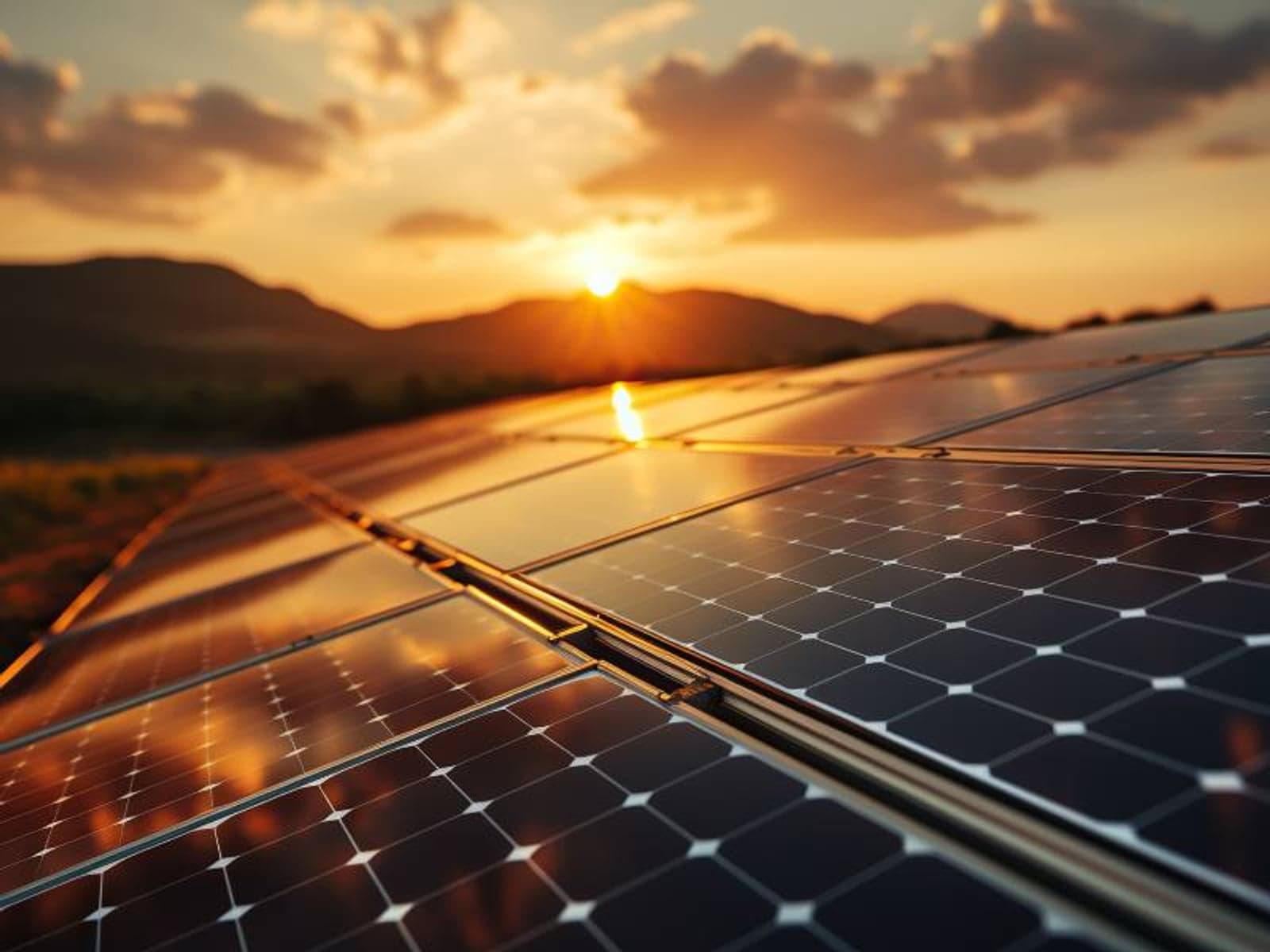
The rise of clean energy technologies such as solar is reshaping how everything is powered and will result in a considerably different global energy system by the end of this decade.
This was one of the key findings of the International Energy Agency's latest edition of the World Energy Outlook 2023 (WEO) report.
According to the Outlook, this future energy system will see solar PV generating more electricity than the entire US power system does currently; renewables’ share of the global electricity mix nearing 50%, and three times as much investment going into new offshore wind projects than into new coal- and gas-fired power plants.
This year’s WEO highlights the potential for stronger growth of solar PV this decade.
According to the report, renewables are set to contribute 80% of new power generation capacity to 2030 under current policy settings, with solar alone accounting for more than half of this expansion.
However, this scenario takes into account only a fraction of solar’s potential, according to the WEO analysis. By the end of the decade, the world is set to have manufacturing capacity for more than 1,200GW of solar panels per year, but it is projected to actually deploy only 500GW in 2030.
Have you read?
LONGi inaugurates phase one of 8.8GW solar module plant in Malaysia
Voltalia completes 140MW solar plant in Albania
If the world were to reach deployment of 800GW of new solar PV capacity by the end of the decade, it would lead to a further 20% reduction in coal-fired power generation in China in 2030 compared with a scenario based on today’s policy settings. Electricity generation from coal and natural gas across Latin America, Africa, Southeast Asia and the Middle East would be a quarter lower.
“The transition to clean energy is happening worldwide and it’s unstoppable. It’s not a question of ‘if’, it’s just a matter of ‘how soon’ – and the sooner the better for all of us,” said IEA Executive Director Fatih Birol.
Despite the progress and the exponential growth in clean technologies, the WEO report suggests that even stronger measures would still be needed to keep alive the goal of limiting global warming to 1.5 °C.
“Governments, companies and investors need to get behind clean energy transitions rather than hindering them. There are immense benefits on offer, including new industrial opportunities and jobs, greater energy security, cleaner air, universal energy access and a safer climate for everyone. Taking into account the ongoing strains and volatility in traditional energy markets today, claims that oil and gas represent safe or secure choices for the world’s energy and climate future look weaker than ever.”
Also of interest
Grid bottlenecks delaying transition to renewables states IEA report
Bolder policy action needed to make net zero a reality says IEA
As things stand, demand for fossil fuels is set to remain far too high to keep within reach the Paris Agreement goal of limiting the rise in average global temperatures to 1.5 °C.
The report suggests that despite the impressive clean energy growth based on today’s policy settings, global emissions would remain high enough to push up global average temperatures by around 2.4 °C this century.
To address this, the WEO-2023 proposes a global strategy for getting the world on track by 2030 that consists of five key pillars, which can also provide the basis for a successful COP28 climate change conference.
These pillars include:
- Tripling global renewable capacity;
- Doubling the rate of energy efficiency improvements;
- Slashing methane emissions from fossil fuel operations by 75%;
- Innovative, large-scale financing mechanisms to triple clean energy investments in emerging and developing economies; and
- Measures to ensure an orderly decline in the use of fossil fuels, including an end to new approvals of unabated coal-fired power plants.