Partner content
Accelerated motor replacement brings wide-ranging benefits - The EU-MORE Project
Guest/partner contributor
Posted on: 31 October 2024
The EU-MORE project aims to speed up the replacement of old, inefficient electric motors in industry and the service sector.
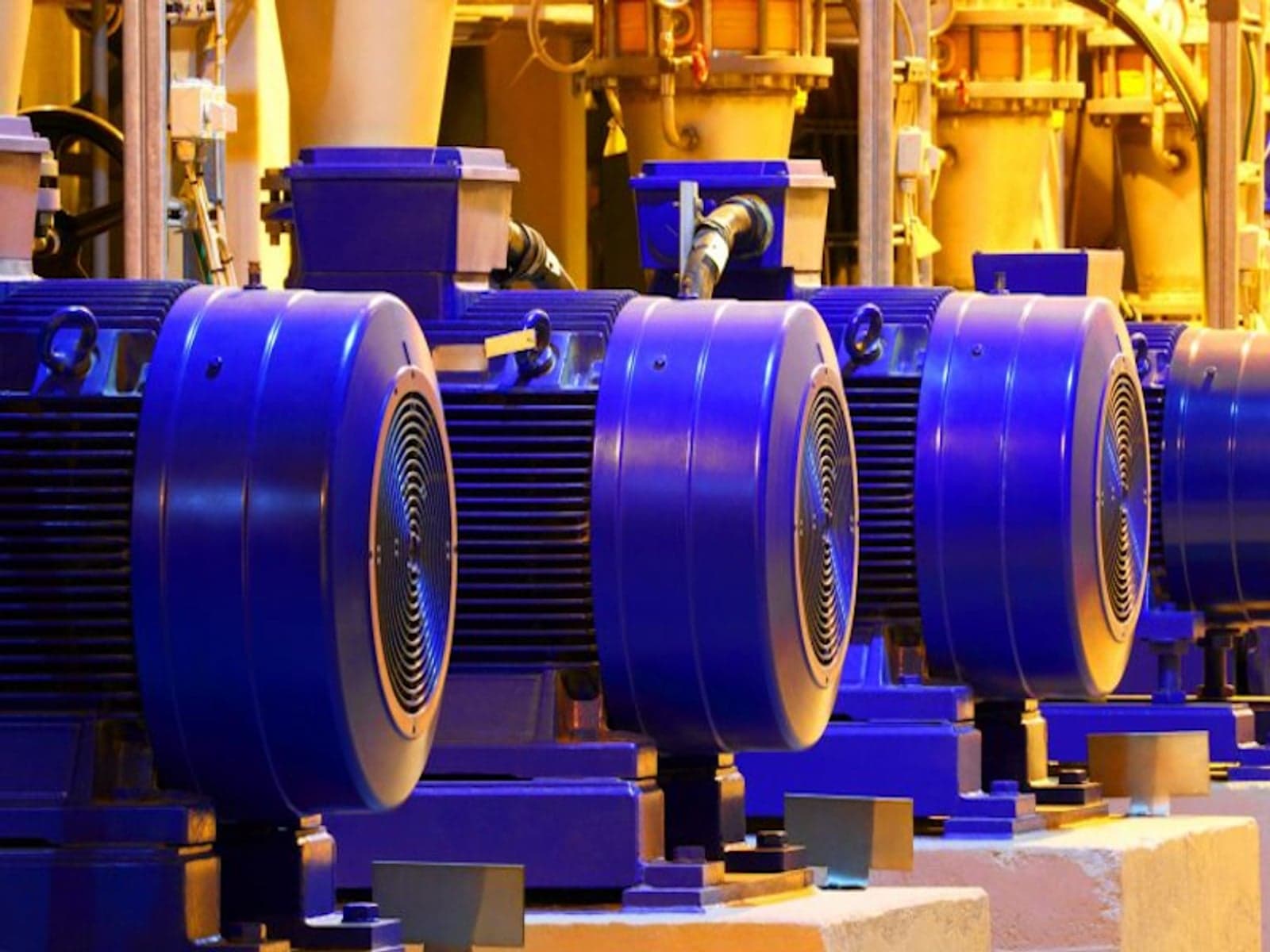
EU-MORE (EUropean MOtor Renovation) is an EU-funded project that aims to speed up the replacement of old, inefficient electric motors in industry and the service sector and to promote the benefits of optimizing motor systems.
Electric motors account for over 50% of the electricity used worldwide, representing 5.5 Gtonnes CO2eq of emissions each year.
Increasing awareness of this consumption among policy makers and stakeholders has led to the introduction of minimum energy efficiency regulations, as well as energy-efficient technologies to meet and exceed these standards.
Unfortunately, the penetration of these highly efficient technologies has been slower than might be anticipated because motors tend to stay in service longer than policymakers generally assume, often as long as 30 to 40 years.
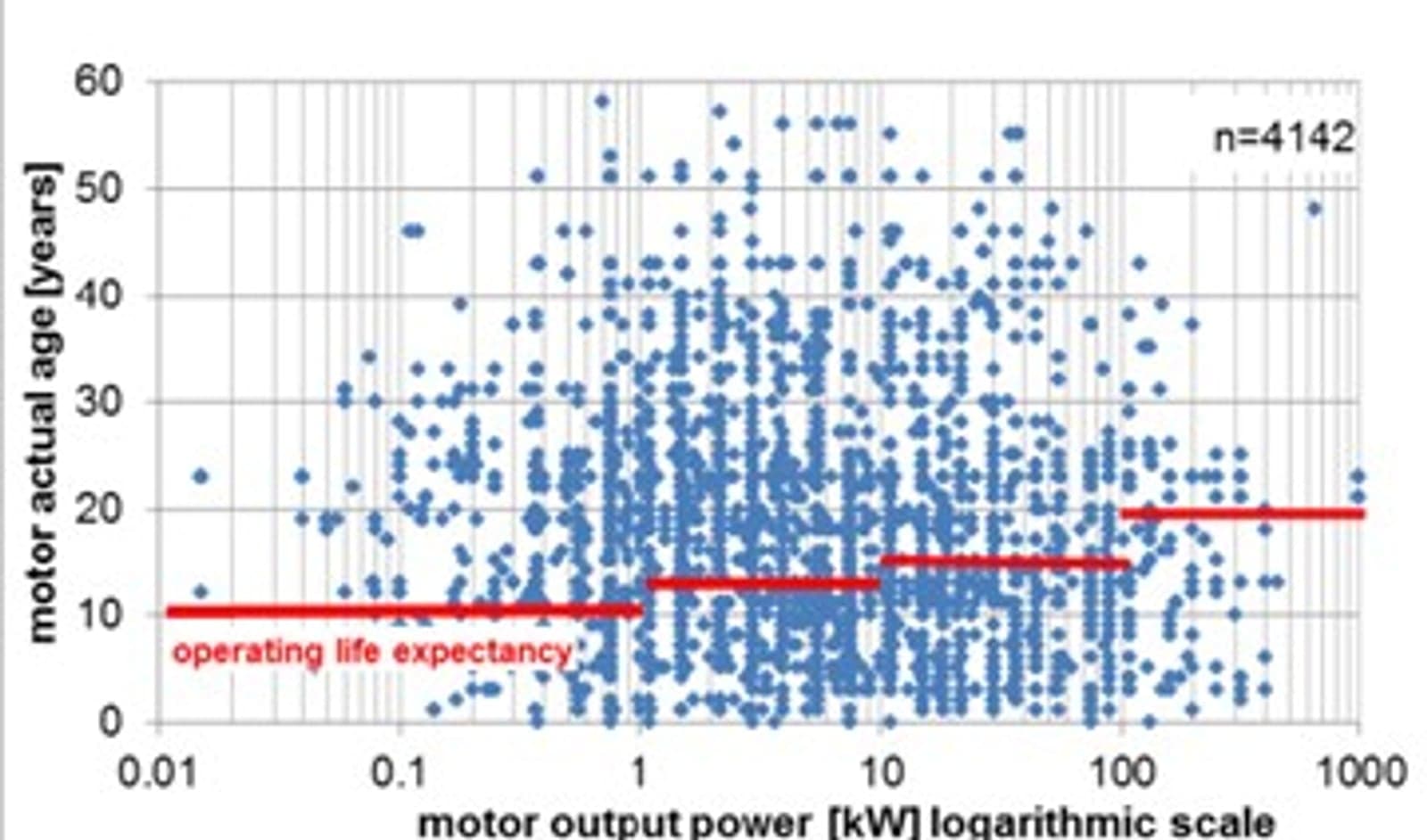
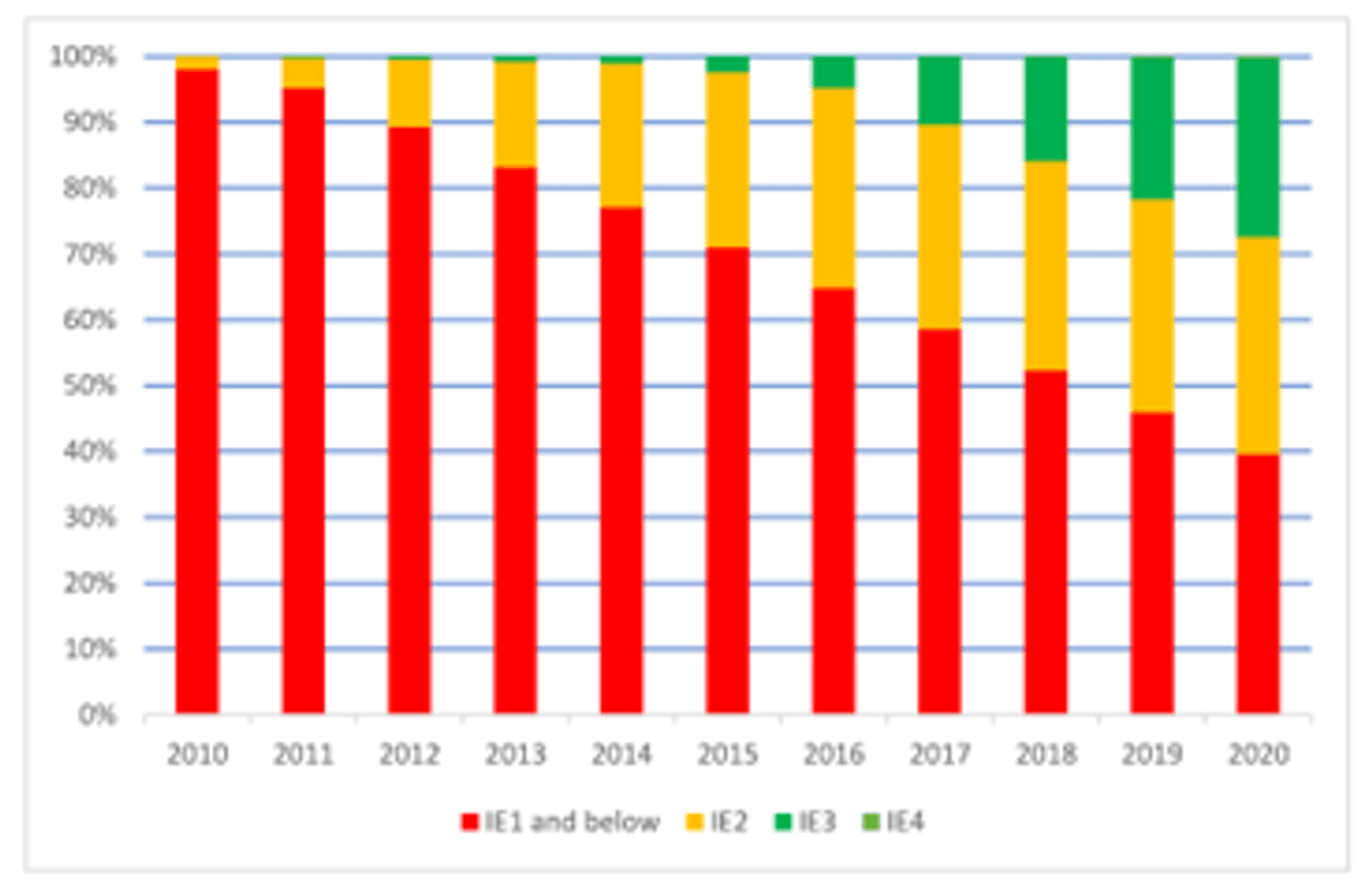
Old motors mean inefficient motors. Accelerating motor replacement in the EU can free up a yearly saving of 25 TWh in addition to the potential savings resulting from current regulations. If entire systems were to be renovated, not just motors, the total savings potential could rise to 100 TWh per year.
EU-MORE welcomes the fact that Member States can take full credit for policy measures aiming to accelerate the uptake of more efficient equipment. Accelerating motor replacement in the EU will contribute an estimated 10% of the new final energy reduction target for 2030.
Find out more about:
EU-Funded energy projects
Energy efficiency
Europe’s industrial strategy
Member States will be obliged to shift up a gear in their energy savings obligation schemes if they are to contribute their share. In achieving this, they can take full credit for policy measures leading to older less energy efficient equipment being replaced by new and more efficient types before the usually expected renewal date.
Under Annex V.2.k of the final compromise text, savings can accrue from the moment of replacement until the end of the average expected lifetime of the product replaced.
This paragraph in the EED, carried over from the 2018 edition, is likely to have huge positive implications for electric motors in industry and the service sector which currently tend to stay in service for 30 or 40 years. This is much longer than generally assumed and exceeds the figures used in Ecodesign regulation impact assessments.
This savings potential would be in addition to the current Ecodesign impact calculations, since these are based on motor sales figures before the effects of any accelerated replacement programme are taken into account.
Accelerating uptake makes even more sense because the new generation of efficient electric motors are manufactured from recyclable materials with high residual value, such as cast iron, electrical steel, plain carbon steel, aluminium, and copper.
Recirculating these metals greatly reduces the emissions currently associated with producing primary metals, since recycling requires less energy than producing from virgin materials. This would ensure that programmes accelerating motor replacement are not at odds with the EU circular economy goals.
The EU-MORE project aims to accelerate motor replacement by proposing new policies for national and EU regulators and by developing tools to predict their impact. It also aims to promote knowledge sharing between stakeholders at Member State level, EU level, and internationally.
The final EU-MORE report with recommendations for national and EU policy measures to accelerate the replacement of old electric motors is expected to be published by March 2025.
EU-MORE (EUropean MOtor Renovation) is an EU-funded project under the LIFE programme (grant agreement n° 101076631)
Most popular
Join the community for freeAnd get access to all content
Related projects
EU MORE
1 October 2022 - 30 April 2025
View projectLatest content
+3
360 sustainability: Steps businesses can take to implement circularity
Businesses that adopt circularity now will not only proactively prepare to comply with future regulations but also position themselves as leaders and build a competitive advantage, writes Frédéric Godemel, EVP of Energy Management at Schneider Electric.
- Guest/partner contributor
- 16/09/2025