The energy sector must lead Europe's industrial strategy says head of Enel Grids
Enlit Editorial Team
Posted on: 15 October 2024
"The energy sector is not just another industry within Europe’s industrial strategy; it is the enabler that underpins the entire European economy," says Gianni Vittorio Armani, Head of Enel Grids and Innovability.
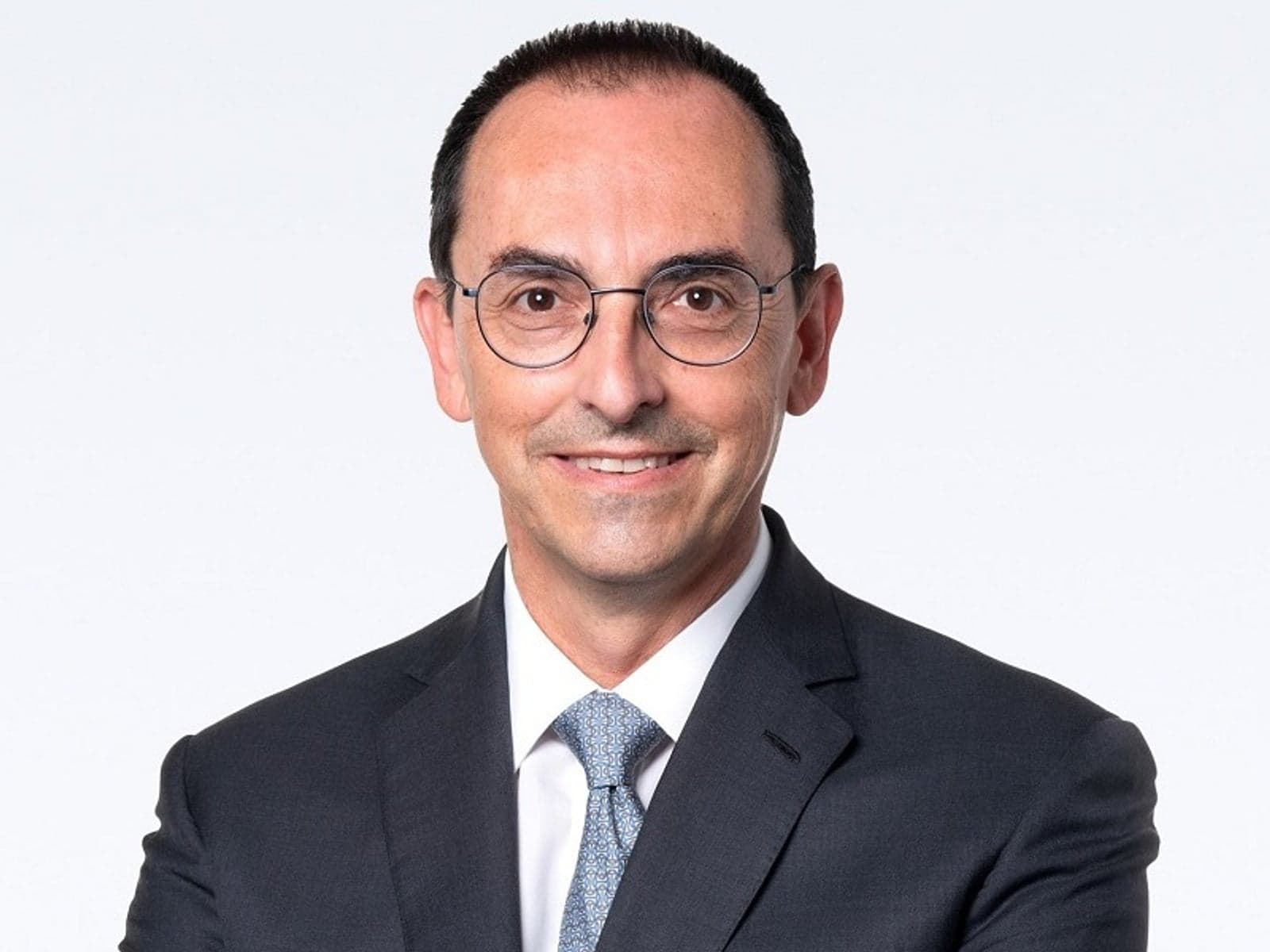
"The energy sector is not just another industry within Europe’s industrial strategy: it is the enabler that underpins the entire European economy," says Gianni Vittorio Armani, Head of Enel Grids and Innovability.
In an Enlit exclusive, Armani gives several reasons why Europe’s long-term global competitiveness hinges on a robust industrial strategy, led by the energy sector. By enhancing grid infrastructure and creating a regulatory framework which is adaptable to the evolving energy markets, Europe is perfectly poised for a reliable, robust, and sustainable energy future.
How will AI accelerate the energy transition?
Artificial intelligence is transforming various sectors of our work and daily lives by automating routine tasks, boosting productivity, and shifting our attention to added-value, core actions.
Distribution networks have various applications that can help DSOs manage and improve grid performance, especially considering their evolving role as enablers of energy transition.
AI can support with analysing vast amounts of data generated by smart meters and its digital components, enabling utilities to boost fraud management, operational efficiency, real-time management and forecasting capabilities.
At Enel, we are already working on further developing and improving prediction failures and identifying maintenance needs, reducing downtime and improving network reliability or advanced forecasting models of extreme climate events aimed at supporting grid resilience.
We are working on models capable of predicting the impact of vegetation growth and sick plants on power lines, suggesting where and when to intervene and virtual assistants to support the workforce during field intervention.
Soon, AI will optimise the forecasting of future connections and energy demand to prioritise development interventions, maximising hosting capacity and optimising energy recovery actions through loss detection and analysis. AI is an effective tool to support interaction with the customer, increasing engagement and response effectiveness.
Europe needs a strong industrial strategy to ensure its global competitiveness. What role must the energy sector play in this strategy?
Europe’s long-term global competitiveness hinges on a robust industrial strategy, and at its heart is the energy sector. As the backbone of modern economies, especially with industry even more electrified, the energy sector, particularly in terms of electricity, must lead this strategy for several key reasons:
- The Energy Sector: Enabler of Industrial Competitiveness
The energy sector, particularly electricity, is the fundamental enabler of all other industries. As Europe seeks to remain competitive, energy must not only be reliable, resilient, and affordable but also support innovation and efficiency across all sectors. An efficient energy sector ensures that industries from manufacturing to high-tech services can operate optimally and grow sustainably. As the electricity supply becomes more renewable, abundant, and cost-efficient, industries can leverage this for long-term growth and lower operational costs, particularly in energy-intensive sectors.
- Electrification and Decarbonisation: Securing Energy Independence
Europe’s energy strategy must revolve around electrification and decarbonisation. By accelerating the shift from fossil fuels to renewable electricity, Europe can reduce its dependence on imported energy and improve its security of supply.
As Mario Draghi’s report on Europe’s competitiveness pointed out, energy independence is critical for the long-term stability and growth of the continent’s economy.
- Infrastructure Development: Supporting the Energy Transition
To fully enable electrification and decarbonisation, Europe must invest significantly in infrastructure.
Recently in Eurelectric’s study 'Grids for Speed' it has been found that the investment needs of the EU27 plus Norway need to reach an average of €55-67 billion a year between 2025 and 2050. That is almost doubling current values.
These investments include expanding grid capacity, integrating renewable energy sources, and upgrading digital technologies for more efficient energy management. Without this infrastructure, the energy sector cannot support the rest of Europe’s industries, nor can it deliver on the goals of reducing emissions or enhancing energy security. A modern, resilient infrastructure will serve as the platform upon which the rest of Europe’s industrial strategy is built.
- Supporting Technological Innovation for Competitiveness
To remain globally competitive, Europe’s energy sector must foster technological innovation that will not only improve efficiency and reduce costs across the energy system but also create new economic opportunities, positioning Europe at the forefront of the global energy transition.
The energy sector is not just another industry within Europe’s industrial strategy; it is the enabler that underpins the entire European economy. A strong, decarbonised, and resilient energy system will allow Europe to stay competitive in a global market that increasingly values sustainability, security, and innovation.
Like this article? Why not try:
EU Energy Projects Podcast: Unpacking the Draghi report with Eurelectric & EASE
Eurelectric calls for immediate doubling of investments in Europe’s distribution grids
European Industrial Energy Days
COP28 committed to tripling global renewables by 2030. What are the main challenges for Europe to achieve this goal?
Europe should address this challenge by:
- Enhancing Grid Infrastructure
Europe needs a major upgrade of its grid infrastructure to integrate decentralised and intermittent renewable sources like wind and solar, to support the electrification of energy demand and to ensure the resilience of the power grid towards climate and cybersecurity risks. This includes building new distribution networks, modernising existing grids, and implementing digital technologies to integrate distributed energy resources. A flexible, robust grid is crucial to drive the electrification and decarbonisation of the energy sectors and to maintain growth while ensuring an adequate quality of supply.
- Guaranteeing a stable and forward-looking legislative and regulatory context
Decarbonisation and electrification need to speed up, which requires the regulatory framework to adapt accordingly; ensuring that long-term signals are sent to investors to provide predictability, ensure adequate remuneration from regulated activities, and untap new business models, integrate new players and develop new approaches towards infrastructure development, such as is the case of anticipatory investments.
To accelerate the transition, Europe must also simplify and harmonise regulatory frameworks, reducing unnecessary bureaucracy to facilitate faster permitting and more supportive policies.
- Securing the Value Chain and Raw Materials
The renewable energy supply chain, especially access to critical raw materials like lithium, copper, and rare earth elements, is under pressure. Europe must align its value chain with renewable goals by diversifying supply sources, promoting recycling, and building strategic partnerships to secure these essential materials. This is vital to avoid bottlenecks in manufacturing and deployment.
To address these three challenges, regulators, policymakers, grid operators and equipment manufacturers can work together to promote innovation in workforce, technology, business models, and policies. They need to consider lead time and effort to innovate and realise the evolution of the supply and value chain.
- Correct sharing of costs deriving from additional investments required
It is important to correctly share the burden of additional investments required from network development needed to boost hosting capacity.
How is Enel going to address these challenges at Enlit Europe in Milan?
Enel experts will participate with conviction to pursue the Enlit mission for the energy transition, outlining projects, challenges and goals that our company has undertaken. For this reason, Enel is the host utility Partner of the Enlit Europe event in Milan.
We are fully committed to actively shaping a better tomorrow, looking beyond the present, reducing environmental impact with clean, innovative and responsible energy solutions, and ensuring a better world for future generations.
The main scope of our participation is to enable knowledge sharing by contributing to Summit events, Sessions and Stands, also through the upfront representation of associations such as Eurelectric and EU DSO Entity and specific events promoting the results of our projects and future perspectives on their follow-up.
Is the European power and energy sector focusing enough on the workforce of tomorrow? Is the greatest challenge around recruiting, retaining or reskilling?
The European power and energy sector is experiencing a significant transformation due to the shift towards decarbonisation, electrification of services, digitisation, and smart grids. While the sector is making strides in technology and sustainability, there is growing recognition that the workforce of tomorrow is equally crucial for this transition. However, the sector faces challenges around recruitment, retention, and reskilling of workers, which are critical to ensuring that the future workforce is prepared for the changes ahead.
Enel Grids has committed to transforming its workforce to align with its sustainability goals and digital transformation initiatives. Here's what we are doing:
Reskilling Initiatives: Enel has launched large-scale reskilling programmes aimed at preparing and upgrading its workforce for the digital age. These programmes focus on training employees in new skills related to data analytics, digital platforms, and smart grid management.
Creating a Digital Workforce: Enel has also embraced digital tools for managing its workforce, using AI-powered platforms to identify skill gaps and offer personalised learning paths. The company’s focus on building a digitally savvy workforce is integral to maintaining operational efficiency and driving innovation in energy services.
Inclusive Workforce Development: Enel prioritises diversity and inclusion in its workforce transformation efforts. The company is making efforts to increase the number of women in engineering and leadership positions by providing mentorship, coaching, shadowing and support networks. In line with the EU’s gender diversity goals, this strategy helps ensure that all talent is harnessed in the sector’s growth. Technology and digitalisation are facilitating a more inclusive workforce; jobs traditionally orientated to a small portion of the population are becoming feasible for a larger share of workers.
"While the sector is making strides in technology and sustainability, there is growing recognition that the workforce of tomorrow is equally crucial for this transition."
Related tags
Latest content
Partner content
+4
Elevion Group CEO tackles the energy economics of sustainable decarbonisation
"If we cannot ensure that energy costs are a reasonably low component of production costs for European companies, Europe will struggle to compete at a global level", says Jaroslav Macek, Chief Executive Officer at Elevion Group B.V.
- Enlit Editorial Team
- 18/10/2024