Airborne wind energy developer prepares for 24-hour test flight
Pamela Largue
Posted on: 27 March 2024
Airborne wind energy developer Kitemill is preparing its technology for 24-hour continuous flights followed by multi-device demonstrations.
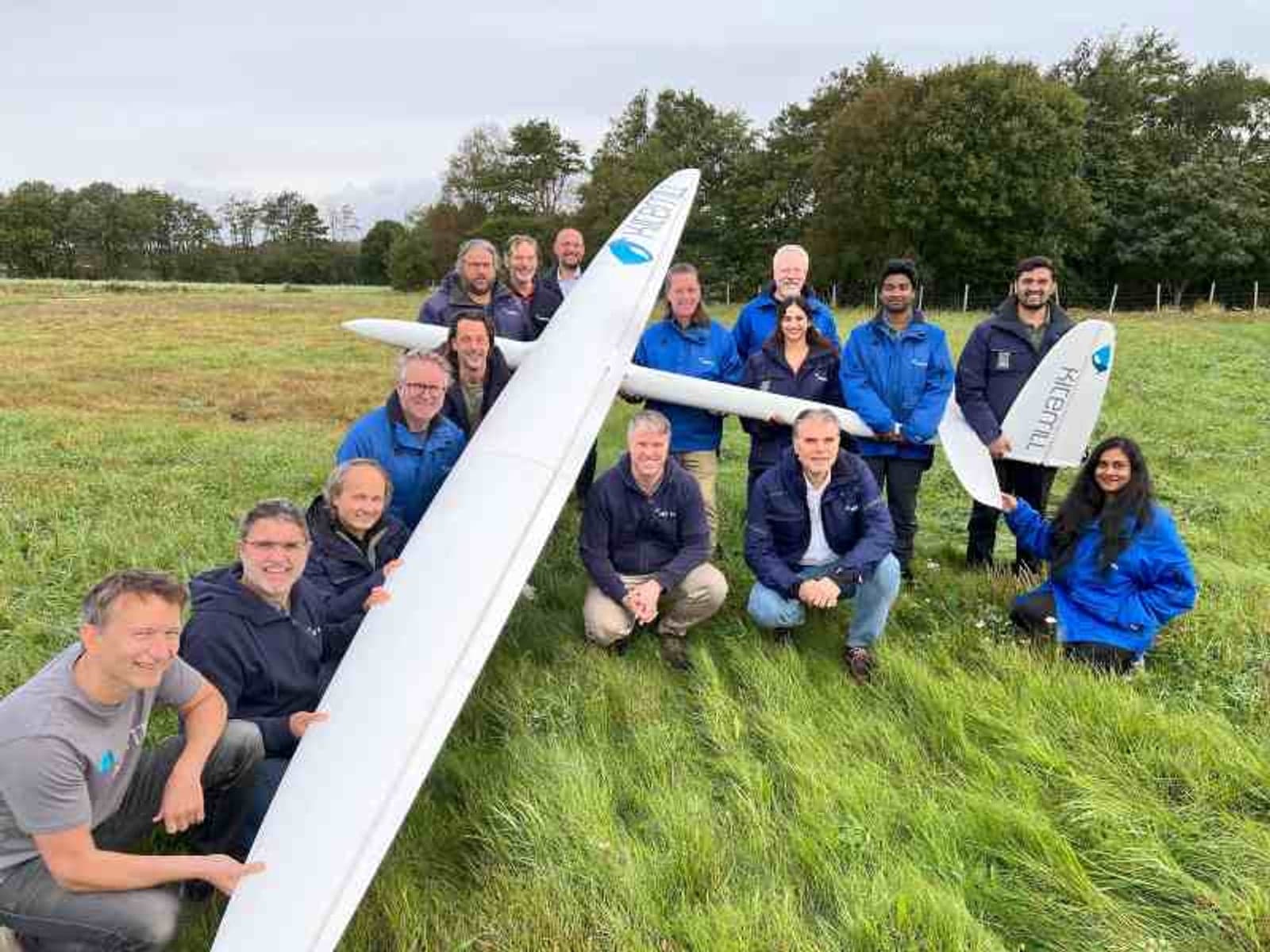
Norwegian airborne wind energy developer Kitemill is preparing its technology for 24-hour continuous flights followed by multi-device demonstrations.
Airborne wind energy produce electricity using kites or wings which are attached by a tether to a ground station. According to Airborne Wind Europe, the system functions in two phases. The first is the power phase where the kite flies cross-wind in figures of eight, reeling-out the tether and generating power. The second, or retraction phase sees the tether reeled–in again and the kite dives down back to the starting position. This requires about 20% of the energy produced in the power phase.
Kitemill CEO Thomas Hårklau said confident that rapid advances can be made this year after securing more than €2 million ($2.17 million) in funding from Dutch investment entity Expanding Dreams.
“We have a permit to set up five systems, plus equipment to set up two,” said Mr Hårklau. “The next big milestone is five hours of continuous operation, five times a week – showing we are flying with confidence, and not an ad-hoc operation. After a solid period of demonstration under these conditions, we will move to the 24-hour milestone."
According to Hårklau, 2024 will see Kitemill focusing on fault handling and mitigation, as well as demonstrating functioning operations.
Have you read?
Novel wind turbine control techs open for commercialisation
Turbine titans inspired by ‘terrific fun’ of wind energy innovation
In May 2023, Kitemill extended its flight endurance record clocking five hours of continuous operation for the first time. The breakthrough coincided with another landmark as the firm surpassed 500 test flights through the KM0 and KM1 pilot systems.
Later in the year, Kitemill unveiled plans for its first commercial-scale system, KM2. The technology is set to feature in the €7.5 million Norse Airborne Wind Energy Project (NAWEP), backed by the EU Innovation Fund, with a total of 12 KM2 units due for installation.
Kitemill CEO Thomas Hårklau said efforts by developers on the continent are being greatly supported by advocacy and leadership from Airborne Wind Europe. However, he adds, the sector remains under-invested compared to other emerging technologies which will have far less impact if they succeed and a far higher threshold to become viable.
Hårklau explained that "AWE technology targets large untapped wind resources up to a half-mile above ground, where stronger and more consistent winds can be harnessed with lower carbon intensity, compared with other renewables – generating greater energy yields at lower cost.”
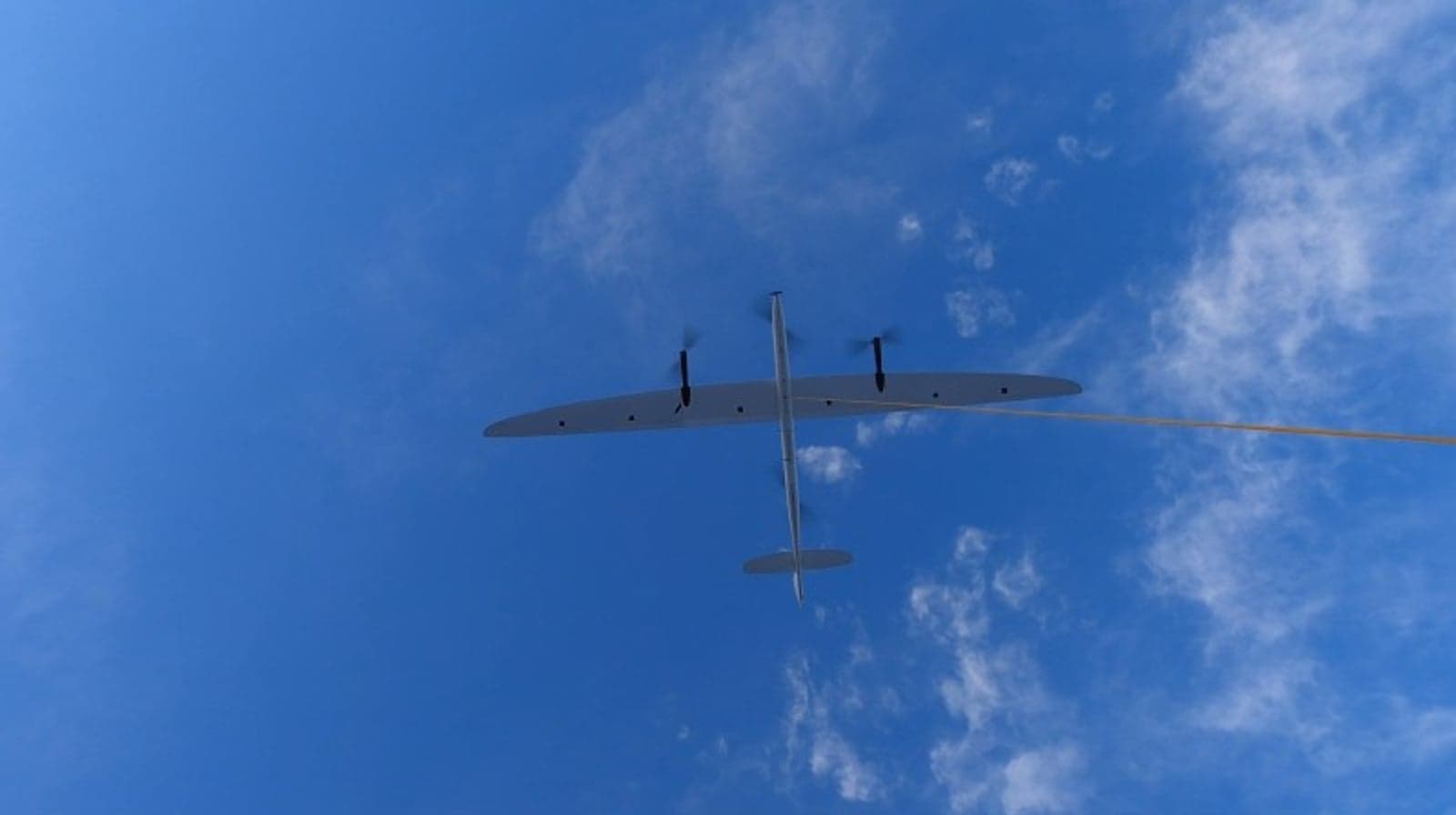
Kitemill’s KM1 pilot system consists of a kite, tether and ground station. The company's website explains how the kite works. "Just like normal kites behave on windy days, the kites pull the tether from the winch generator at the ground station while it flies in a helical pattern in the wind direction." The automatic system constantly seeks optimal altitude and wind speed.
Kitemill was established in 2008 and has received investments from En-Vision Europe Limited Ignatia and the European Innovation Council.