Although Poland is on its way, a greater push is needed to reach net zero - IEA report
Yusuf Latief
Posted on: 20 May 2022
A major acceleration in Poland's clean energy transition is needed to tackle the emissions resulting from coal’s dominant role.
Poland has made serious progress in improving the security and sustainability of its energy system in recent years.
However, a major acceleration in its clean energy transition is needed to tackle the emissions resulting from coal’s dominant role in the power sector, according to the latest policy review by the International Energy Agency (IEA).
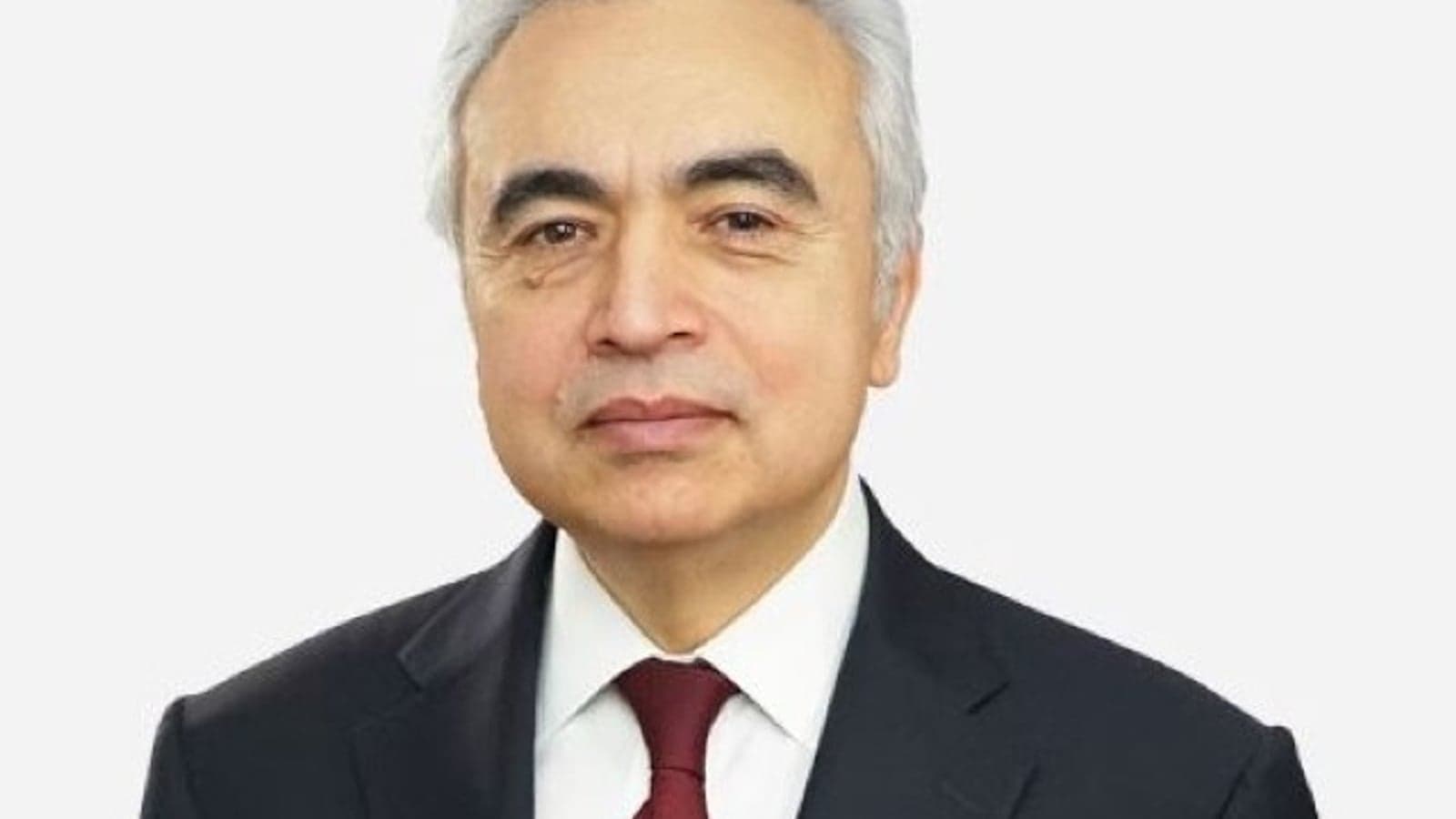
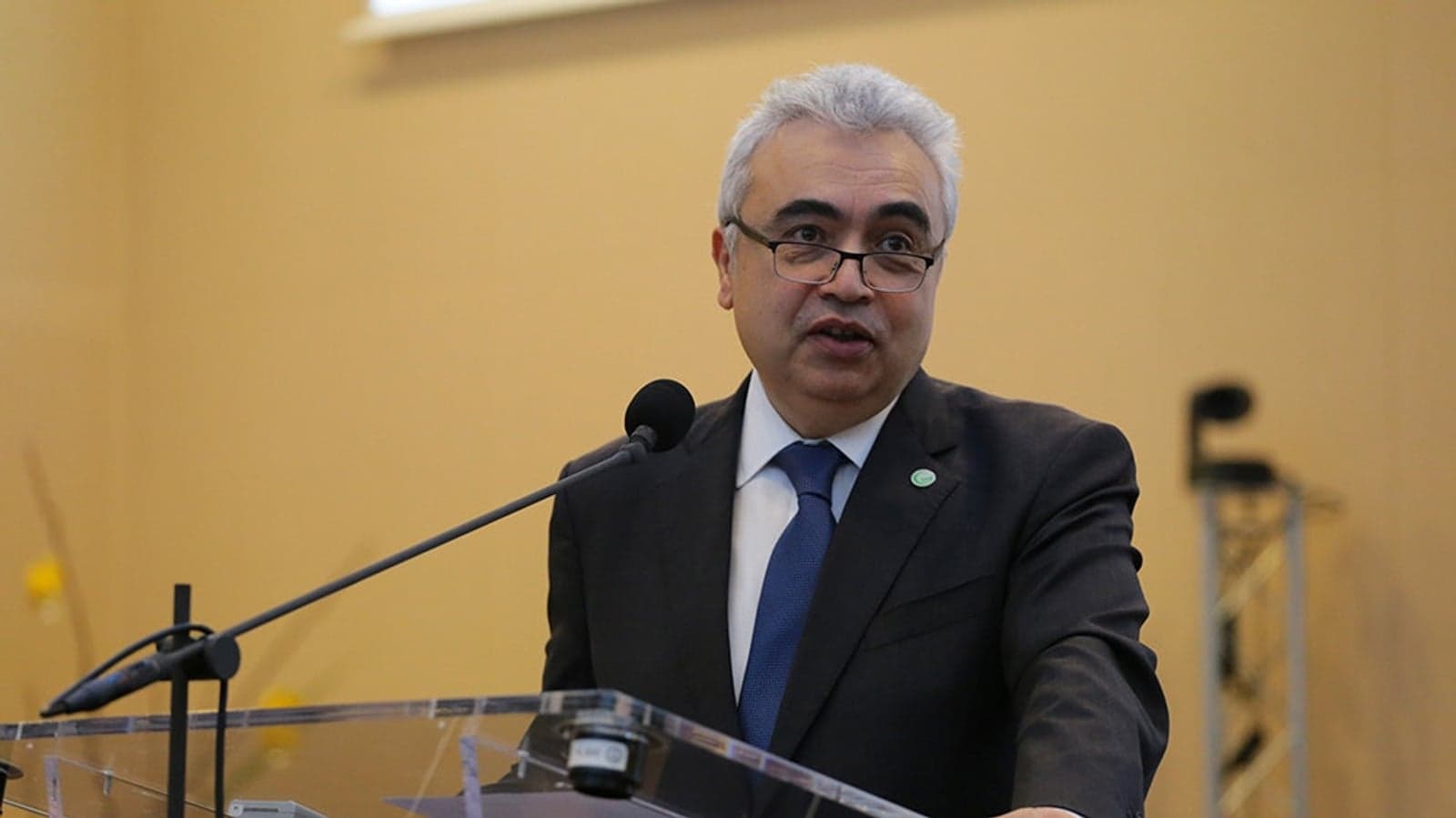
“In the report, we see that Poland is still dependent on coal, although the Polish government made it clear they would like to reduce their greenhouse gas emissions,” stated Fatih Birol, IEA executive director, during a press conference announcing the report's findings.
Birol outlined the core findings of the report, as well as some key recommendations for the Polish government to consider going forward.
These included:
- Acceleration of the expansion of their electric systems;
- Increasing the share of renewables in their energy mix;
- Planning for nuclear, which would mean a strong increase in transmission lines to enable electricity from the North being brought to demand centres.
Poland aims to cut emissions through increased use of renewables and natural gas, the introduction of nuclear energy, greater electrification of energy demand and improved efficiency.
Have you read:
Poland and the race to 55
IEA – Cut EU reliance on Russian gas with renewables, nuclear and energy efficiency
Kicking out coal and greening gas on the road to net zero
According to the IEA, Poland has greatly diversified its gas supply and made impressive progress on renewables. It is now home to one of Europe’s fastest growing solar PV markets and plans to roll out an extensive array of offshore wind projects.
However, fossil fuels still account for 85% of total energy supply, with coal holding the largest share. As a result, the carbon intensity of Poland’s energy sector is currently the second-highest among IEA members.
Russia and energy security
Other key findings from the report cover Poland’s attempts to become independent of Russian gas, a highly topical issue.
In light of this, Birol acknowledged Poland’s efforts against the Russian invasion of Ukraine: “I would like to thank the Polish government from day one for their determined, nimble and very strong response to the Russian invasion of Ukraine.”
Efforts over the past years to diversify natural gas supply should, according to the IEA, enable Poland to ride out disruptions in deliveries from Russia amid the invasion.
Russia’s share of Poland’s gas imports already fell from 90% in 2010 to 55% in 2020 thanks to investments in liquefied natural gas (LNG) terminals and pipeline links to other EU countries.
Poland had already told Russia’s Gazprom it would not renew a long-term gas contract that expires in 2022. A new Baltic pipeline delivering Norwegian gas should be completed in 2022, with a capacity that exceeds pre-war imports from Russia.
Poland is also significantly expanding both LNG capacity and pipeline interconnections with other EU countries.
“Poland has shown great foresight in cutting its reliance on Russian natural gas over recent years, putting itself in a relatively secure position today despite the difficult times we are living through,” Birol added.
“Current events underscore the need for Poland to continue to accelerate its transition towards a more secure and cleaner energy system.”
Coal
Electricity from coal-fired generation surged during 2021’s economic rebound, wiping out in one year almost a decade of steady reductions and lifting coal back to 80% of total generation, the highest share among the IEA’s 31 members.
Social Contract signed with the country’s mining unions in 2021 calls for ending most hard coal production, with compensation for affected regions and workers. However, the agreement allows hard coal mining to continue through 2049 and does not cover lignite, a major source of electricity and heating.
Poland continues to subsidise the coal industry, which provides employment in many regions of the country. The entrenched use of coal for electricity and heating presents a difficult starting point for efforts over the next decade, just as the country needs to update its energy and climate targets to match the European Union’s increased ambitions.
Renewable ambitions
Poland has huge ambitions for renewables and is delivering in some areas. From 2010 to 2020, the amount of electricity generated from renewables almost tripled, with its share of the power mix increasing from 7% to 18% over that period. The growth was driven mainly by increased onshore wind generation and use of solid biomass, while solar PV grew tenfold.
Nuclear power is a critical part of Poland’s energy strategy, with plans to build the country’s first reactor by 2033 and for a total of six nuclear plants to cover an estimated 16% of generation by 2040. However, a sustained effort will be necessary for the full plan to be completed on schedule and within budget.
While natural gas can play a role in providing energy security as coal use is wound down, natural gas use will also have to be reduced over time for Poland to meet its long-term decarbonisation goals.
Poland’s plans to reduce the role of coal in heating largely involves switching to gas. However, the report finds a greater focus on heat pumps and building renovations would be more efficient in the long term and would avoid the risk of burdening the country with stranded assets.
The policy review also recommends that Poland go further with its recent moves to liberalise domestic energy markets. State-controlled companies have dominant roles across Poland’s energy sector and prices are still regulated in some markets.
The IEA's report, Country report Poland 2022, is available online.