APAC: A fertile ground for renewables growth says JERA Nex
Pamela Largue
Posted on: 15 November 2024
APAC has the right combination of market conditions causing a renewables boom and making it attractive for renewable energy developers.
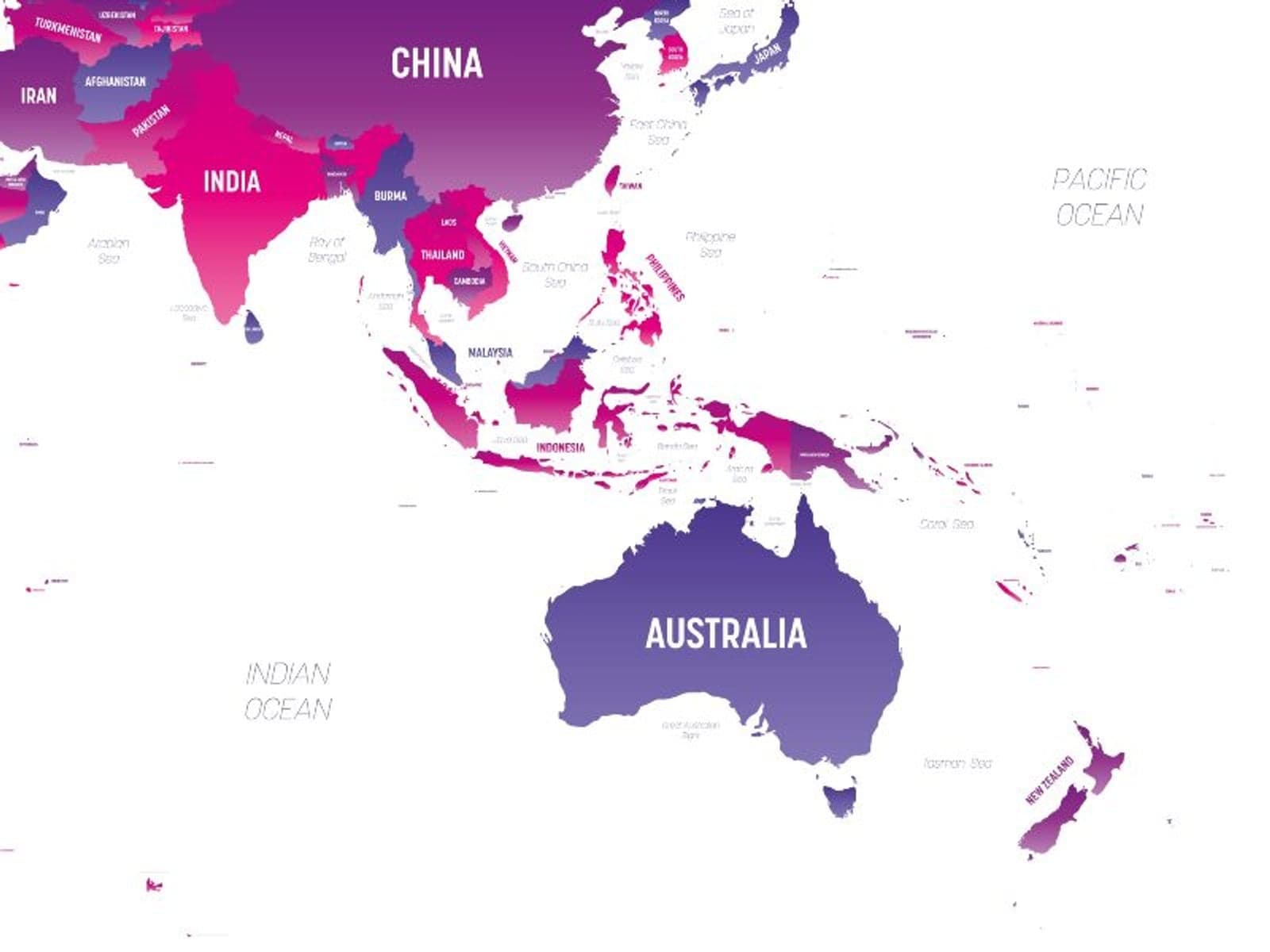
The Asia Pacific or APAC region has the right combination of market conditions for a renewables boom, making it an attractive space for renewable energy developers.
This was one of the key talking points in a recent roundtable hosted by JERA Nex, a UK-headquartered start-up with an expanding asset base.
The company was launched by Japanese energy company JERA, which has been operating in APAC for more than two decades. Currently, JERA Nex has a portfolio of 3.4GW of installed renewable capacity, and is looking to grow that to 20GW net by 2035.
The company is looking to expand into several countries to reach that target, however, APAC is high on its list of priorities, and for good reason.
Mark Leslie, regional head of APAC at JERA Nex Onshore said: "It's a large region and there's a lot to do here...it's an exciting challenge...This part of the world is important to include in the energy transition."
Have you read?
ANDRITZ to rehabilitate Malaysia’s oldest major hydropower plant
GE Vernova commissions 1GW gas-fired power plant in South Korea
Why APAC holds promise
Leslie explained that APAC is large and diverse. It's made up of many countries that aren't connected from a grid perspective. It has a young workforce that will eventually turn into consumers, a growing population, and a growing demand for electricity.
These factors make it a "fertile area for JERA Nex to expand," said Leslie.
Wood Mackenzie figures predict solar in APAC will expand by 6% by 2033, said Leslie, adding that they are seeing significant growth in many markets, such as India, which has close to 90GW of utility-scale solar projects on the horizon.
JERA Nex is also expecting more growth in APAC's dominant onshore wind sector. About 80-90% of total installed capacity in 2022 was onshore wind, and Leslie predicts a great deal more growth in this market moving forward.
“What’s happening in APAC is renewables are becoming competitive or crossing through the threshold around where thermal or fossil fuels exist…It’s not only good from doing the right thing but it’s also economically viable now which is really important to make it a sustainable business model.”
One reason the business case makes sense is that many more net zero climate commitments are coming out of APAC.
Leslie explained there is a lot of activity in private sector decarbonisation efforts, highlighting that many supply chains for RE100 multinationals, the global initiative uniting businesses committed to using 100% renewable electricity, are based in the region.
These companies’ goals are driving renewables growth.
Also, localised manufacturing stemming from renewables is on the rise and will drive growth and economic returns in this region, said Leslie.
System reform
Leslie highlighted the impact of the electricity system reforms happening in APAC, stating this is one of the key factors making this an attractive hub for renewables development.
"These provide good incentives for developers to drive project development and sell power directly to companies."
The reforms will facilitate the growth of cross-border power generation and trading, explained Leslie, and will create new opportunities for new technologies and commercialisation options.
Countries such as Vietnam and Bangladesh are importing power from Laos and India respectively and Singapore has recently signed six cross border trading licenses to import power from other jurisdictions. This will help power Singapore’s data centres without requiring massive amounts of land for power generation.
To encourage further reform and to maximise the opportunities this reform will present, Leslie suggests governments in APAC work to create a stable environment that fosters investor confidence. He also recommends ensuring stable regulatory frameworks that persist across elections, to aid the region in meeting its ambitious renewables targets.