Australia launches floating solar research to boost drought resilience
Pamela Largue
Posted on: 1 July 2025
A project has been launched in Australia to research how floating solar panels on irrigation dams could mitigate evaporation and boost drought resilience for farmers.
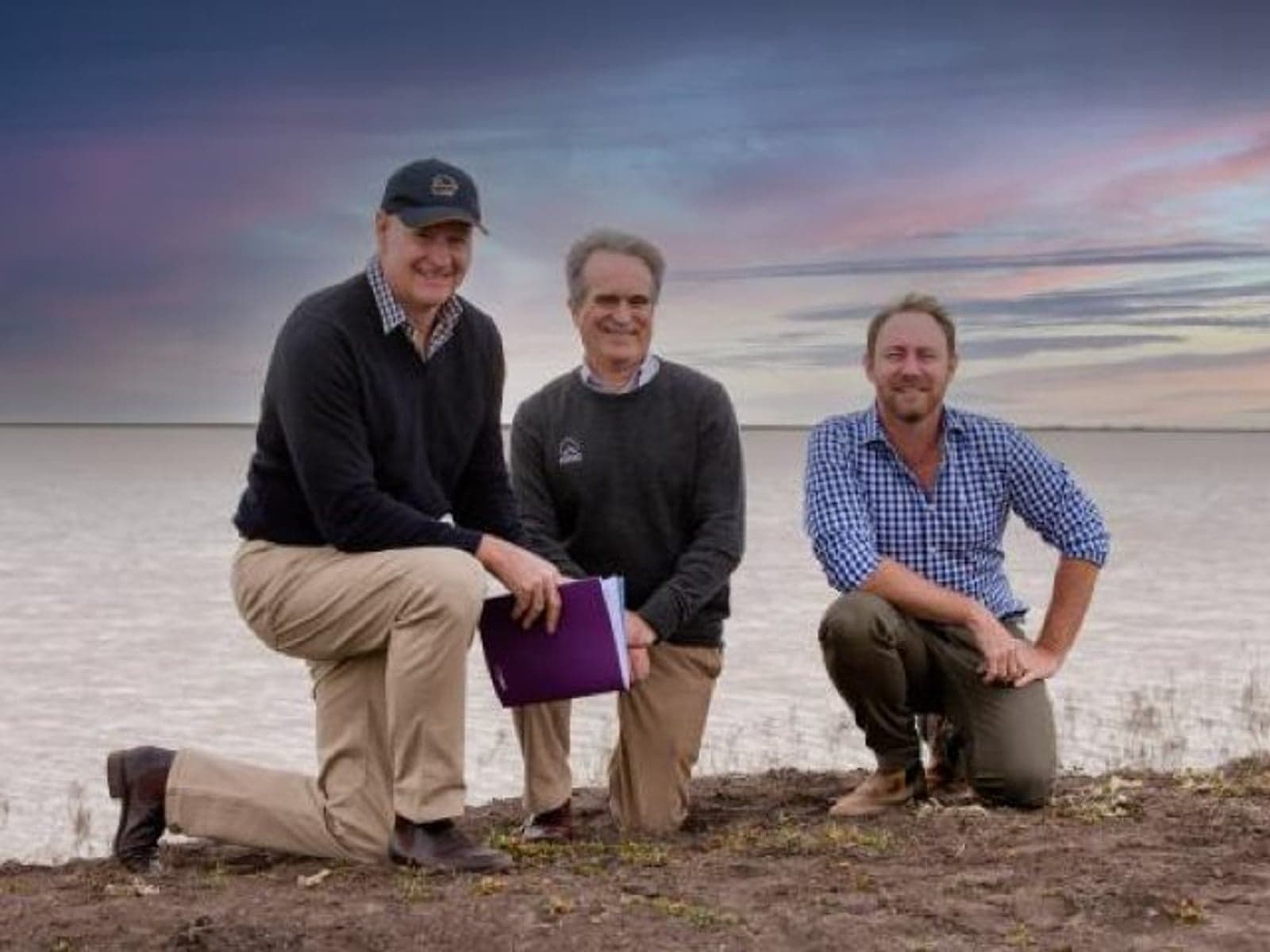
A project has been launched in Australia to research how floating solar panels on irrigation dams could mitigate evaporation and boost drought resilience for farmers.
The AUS$13 million (US$9 million) project, led by consultancy Ag Econ with support from the Cotton Research and Development Corporation (CRDC), aims to boost drought and climate resilience for local farmers and communities.
According to the CRDC, the most significant loss of on-farm water is the evaporation from on-farm storages, with nearly half of water storage volume being lost each year to evaporation.
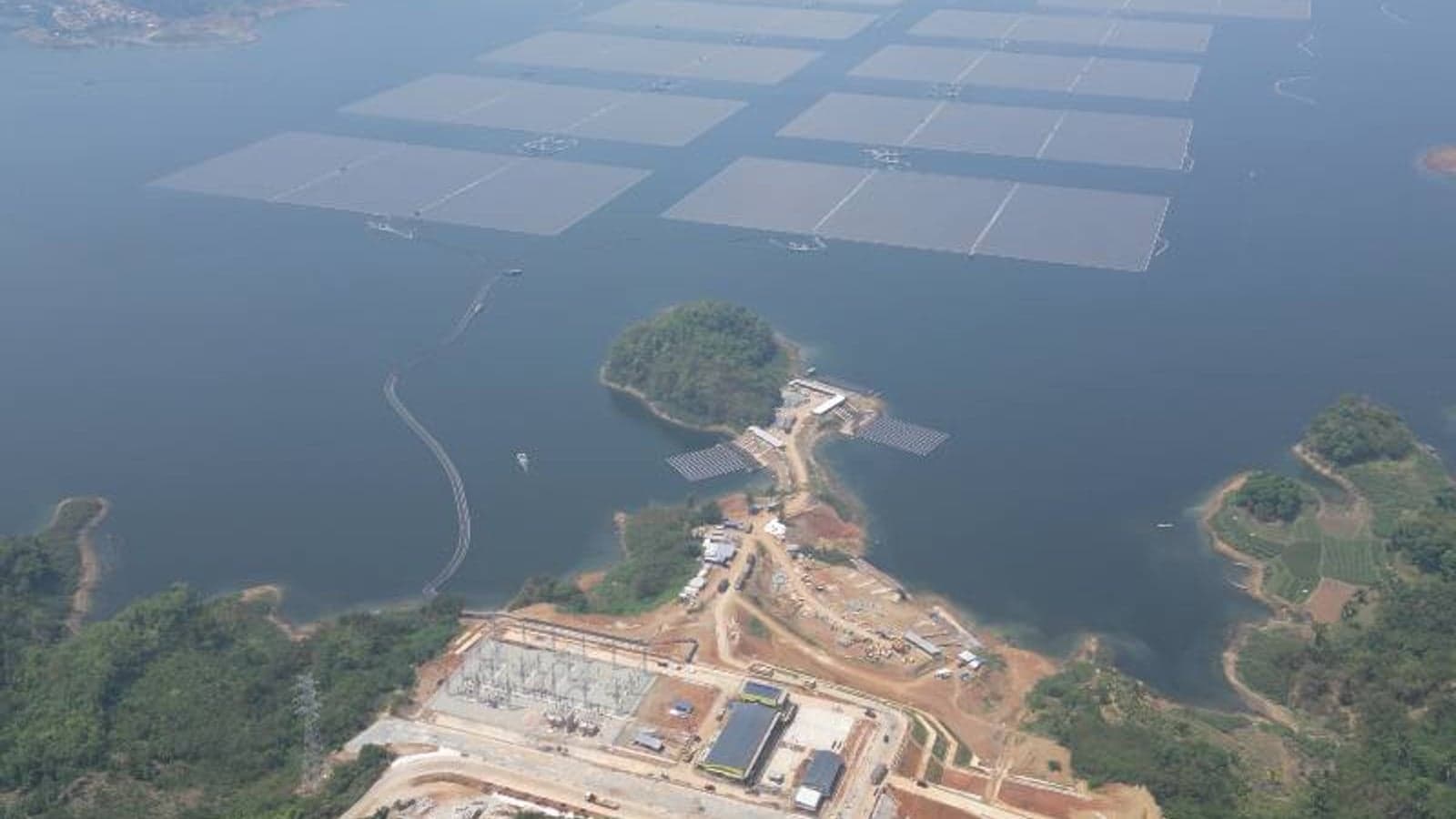
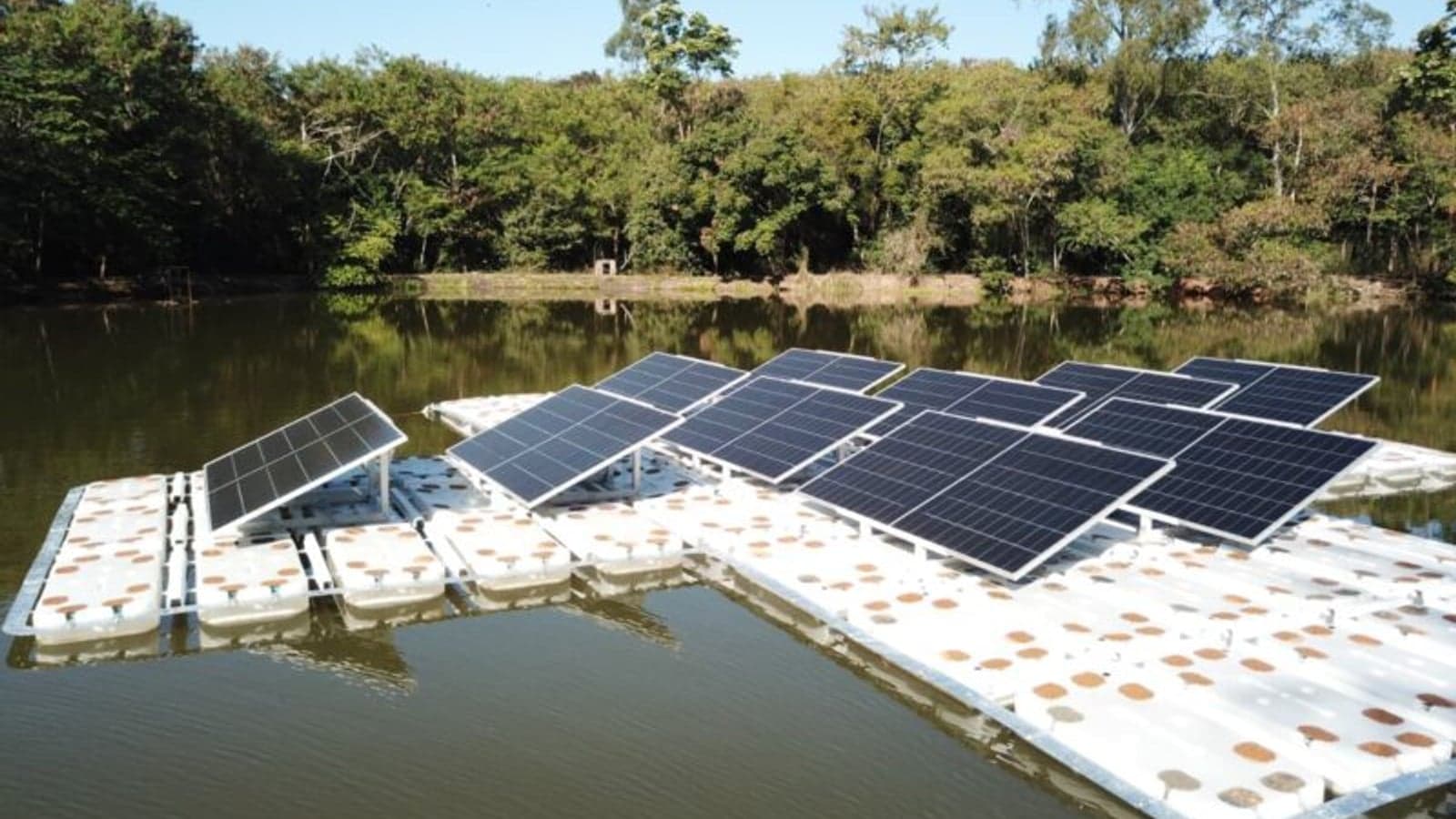
To mitigate this, the research will test the feasibility of installing floating solar photovoltaic (FPV) panels on irrigation storages to decrease evaporation.
CRDC's previous research suggests that by relocating just half of the current 16.6GW grounded solar panels to water storages, 296GL of water a year could be saved, that's more than 118,000 Olympic-sized swimming pools worth of water.
CRDC senior innovation broker Susan Maas, added: “The Australian cotton industry has made huge gains in water use efficiency over the past 30 years...There are still improvements to be made, which is why we continue to invest in this crucial area of research. Mitigating evaporation losses is a huge unrealised opportunity for the industry and the environment.
Have you read?
Norwegian floating solar system launched at Chilean salmon farm
Masdar and PT PLN partner to develop floating solar in Indonesia
“This project could be a game changer for our industry, local domestic storages and other irrigation industries by enhancing our resilience, productivity, and sustainability in a changing climate.”
The project is called Novel Energy and Evaporative Storage Technologies for Irrigators (NEESTI). Not only will it look to improve water management and reduce evaporation, but the solar panels will allow power generation that could provide an additional source of income for producers.
The CRDC states that optimising water retention in the face of a hotter, drier climate, and reducing carbon emissions through the generation of clean energy, are two of the biggest challenges facing the cotton industry.
Also, agricultural supply chains are under pressure to lower emissions.
A solution such as floating solar could tackle these challenges, with the water saved being used for additional crop production, domestic needs during droughts, water trading, or water for the environment.
Ag Econ Principal Climate Analyst & Economist Jon Welsh, commented in a statement: “This project investigates a practical, sensible and proven solution to store valuable water for longer, building resilience into an irrigated farming system then able to produce more food and fibre.”
“Australia faces a critical trilemma of securing water, food, and clean energy. Incorporating floating FPV on storage dams will help address all of those challenges simultaneously."
“The project research will deliver technical, economic, policy, and legal research to create a long-term and sustainable Australian FPV market for cotton and other irrigators.”
The research has received funding from the Federal Government’s Future Drought Fund’s Resilient Landscapes programme and is also being supported by the University of Southern Queensland and Macquarie University.
Researchers will also work with agricultural industries outside of cotton, including grains, sugarcane, pecans, and rice.