Austria's Limberg III pumped storage plant officially opens
Pamela Largue
Posted on: 16 September 2025
The plant is built entirely underground to minimise environmental impact and uses existing reservoirs Mooserboden and Wasserfallboden without requiring new surface storage.
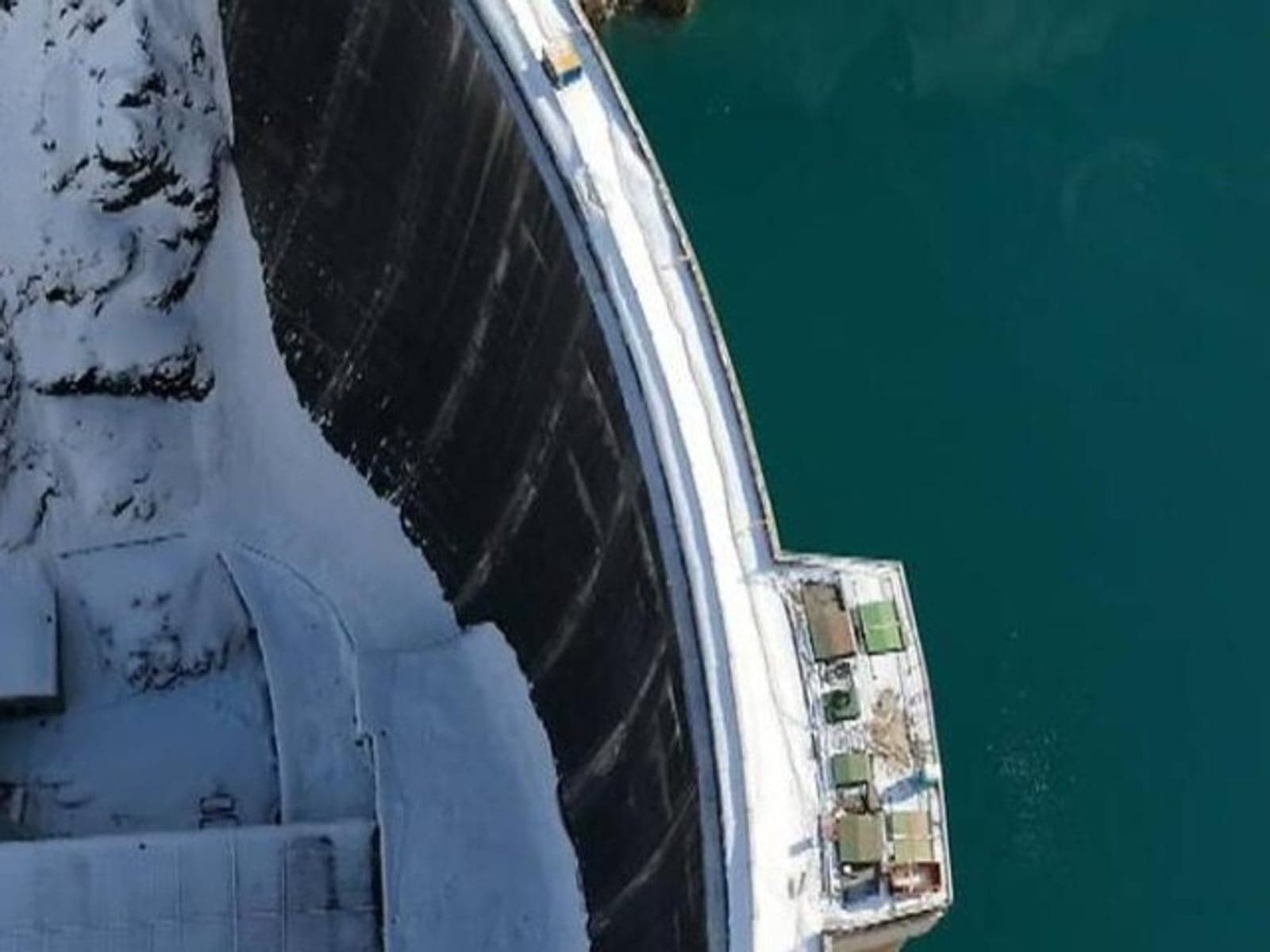
Engineering firm AFRY and energy company VERBUND Hydro Power GmbH have announced the official opening of the Limberg III pumped storage power plant in Kaprun, Austria.
The Limberg III pumped storage power plant, located in the Kaprun valley, has an installed capacity of 480MW and a partial converter. The plant is designed to provide flexibility for the regional grid, releasing stored energy during peak periods.
The plant is built entirely underground to minimise environmental impact and according to AFRY, uses existing reservoirs Mooserboden and Wasserfallboden without requiring new surface storage.
Ernst Zeller, head of Hydro at AFRY, commented on the opening: "I’m incredibly proud of our team’s dedication and precision throughout this project, from the first geological surveys to the final inspections. Their expertise and commitment have been instrumental in delivering such a complex and forward-looking facility."
AFRY provided technical and commercial site supervision, geological documentation and consulting, and natural hazard analysis for both above- and below-ground works.
Have you read?
Paris Pledge launches to accelerate pumped storage hydro in Europe
Brookfield and Google ink first-of-its-kind hydropower deal
The project involved complex tunnelling and cavern construction, including a 558-meter pressure shaft, 5.1km of drift waterway tunnels, and a machine cavern located 450 meters underground.
Construction began in 2021.
Limberg III is operated by VERBUND. The firm's 8,400MW hydropower plant portfolio consists of pumped-storage power plants in the Austrian Alps and run-of-river power plants on all major rivers in Austria.
Since 2009, VERBUND has also been active in Bavaria, where the company operates power plants on the Inn and Danube rivers.
Austria's geography and river systems have allowed for the development of a robust hydropower sector and currently, more than half of the country’s electricity comes from the clean energy source.