Bermuda introduces ‘regulatory sandbox’ for new energy technologies
Jonathan Spencer Jones
Posted on: 31 May 2023
Bermuda’s electricity regulation has been updated| paving the way for wave and other innovative energy technologies.
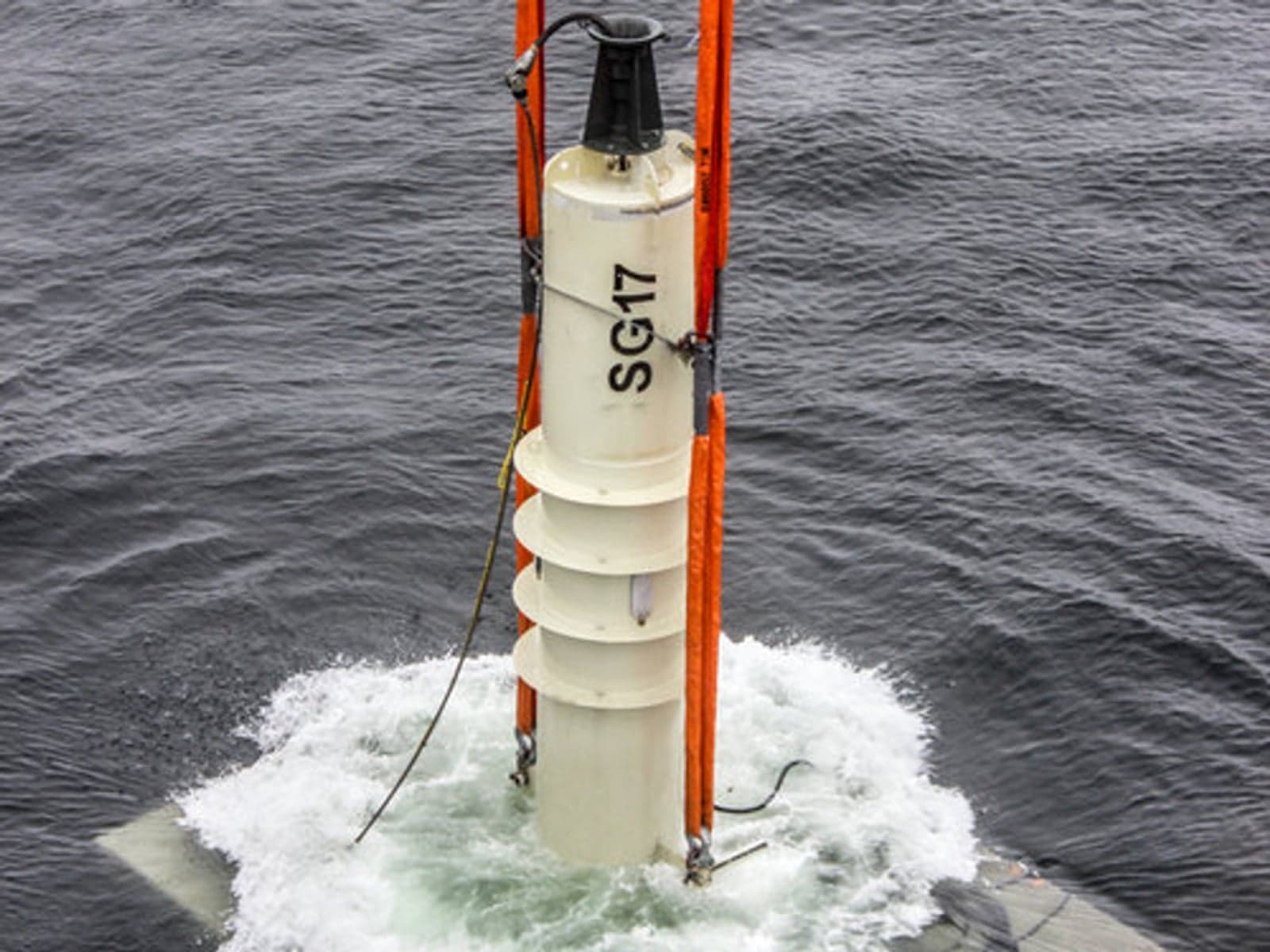
Bermuda’s electricity regulation has been updated, paving the way for wave and other innovative energy technologies.
The update, which came into effect on May 9, forms part of Bermuda’s economic recovery plan in response to the impacts of COVID-19 and opens the way for the introduction of new innovative energy technology developments on the island nation.
While what technologies are regarded as ‘innovative’ is not specifically defined, the regulation interprets an ‘innovative business’ as “a business in the electricity sector approved by the Regulatory Authority to be carried on by a licensee in an innovative manner”.
“Creating an energy regulatory sandbox will encourage new renewable energy technology developers to test their products in Bermuda, allowing Bermudians the potential to access new technology,” said Minister of Home Affairs Walter Roban, on the release of the new regulation.
Have you read?
Study finds ocean energy could save UK over £1bn in dispatch costs
The role of healthy oceans in our energy transition
“This important milestone in Bermuda’s efforts towards sustainable energy development will encourage innovation among energy creators while ensuring grid stability and ultimately benefitting our island and our people.”
One of the first projects expected to benefit is Swedish ocean energy developer Seabased’s planned 40MW wave energy park.
The project, a first in the Caribbean and potentially globally, is intended to be constructed a few kilometres offshore from Bermuda’s St George’s island, the northernmost of the island complex.
First mooted back in 2018, an agreement was signed following COP26 for the park, which should supply about 10% of Bermuda’s energy needs.
Seabased’s CEO Laurent Albert says that the focus of innovation in renewable energy often centres on the technology but the regulatory piece is just as important.
“Bermuda and Minister Roban have done an excellent job of creating a template that many other communities can use to expand their renewable base.”
Seabased’s wave power park system is composed of buoys on the ocean surface connected to linear generators on the seabed. These in turn are connected to a marine substation from which cables deliver the electricity to the onshore grid.
Earlier this year Seabased was contracted to develop a 10MW wave park in Tonga.
Ocean energy is considered particularly suitable for small islands, due to the often limited terrain for utility scale land-based renewables.