Growing export controls risk critical minerals supply chains
Pamela Largue
Posted on: 16 July 2026
IEA report warns that export controls are turning critical mineral supply chain vulnerabilities into “an immediate economic risk”.
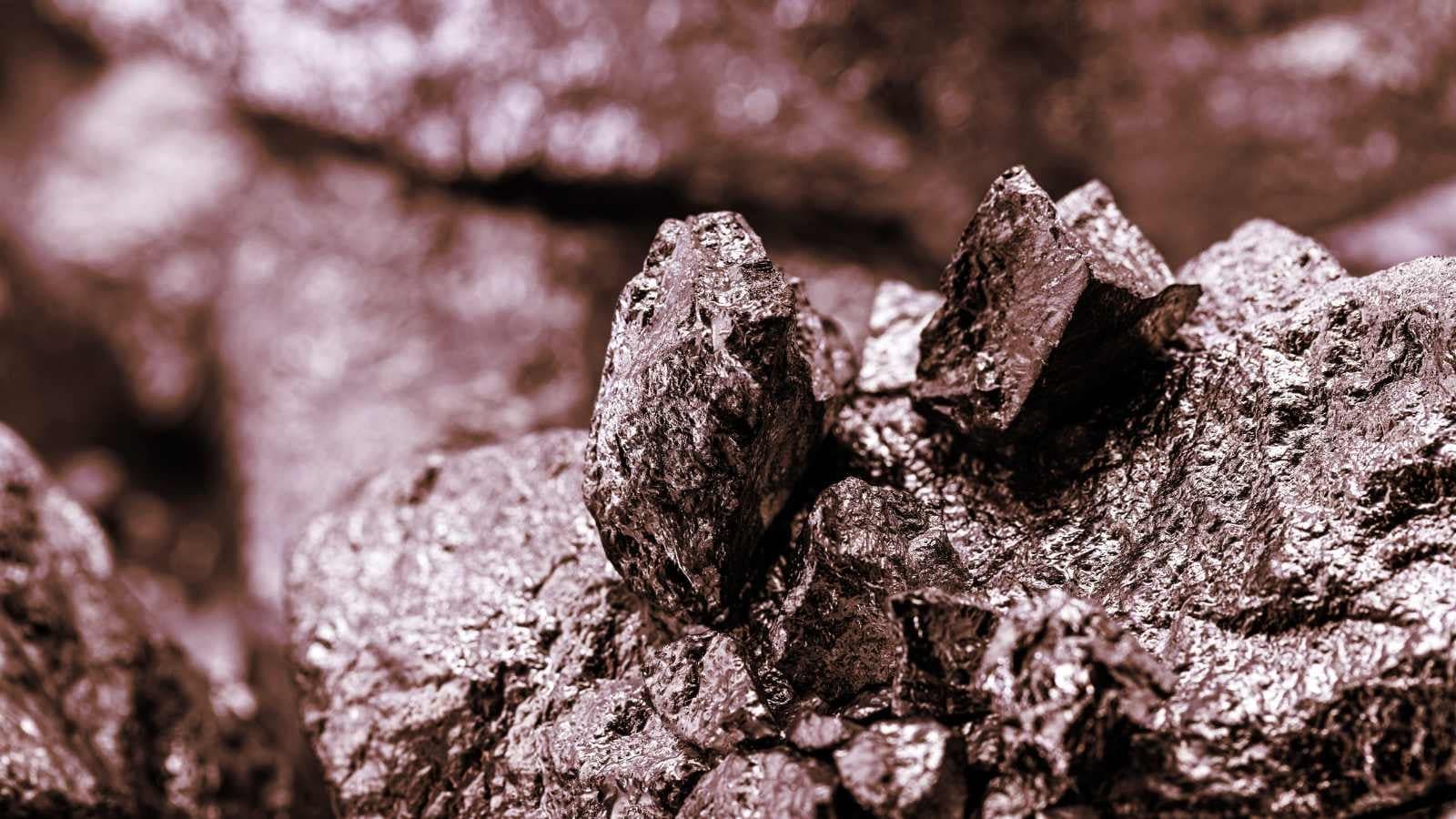
The International Energy Agency is warning that rapid expansion of export controls on critical minerals is turning supply chain vulnerabilities from a theoretical concern into “an immediate economic risk”.
This was one of the standout findings in the IEA's Global Critical Minerals Outlook 2026, which highlights the impacts of increasingly complex geopolitical landscape, tighter supply conditions and growing trade restrictions on mineral markets.
After several years of declining prices, critical mineral prices rebounded in 2025 and early 2026 as supply tightened. At the same time, investment in the sector fell by 9% in 2025, ending several consecutive years of growth, a sign investors were responding to geopolitical uncertainty and market volatility.
Speaking during a media briefing, IEA Chief Energy Economist Tim Gould said the agency had been highlighting the dangers of concentrated supply chains for years, but recent developments have made these dangers even more salient.
"We have been warning for a long time of the consequences of supply concentration… refining concentration edged even higher in 2025, showing limited progress in diversifying supply chains."
Have you read?
How the humble rice husk could cut emissions in India’s iron ore industry
EU auditors warn of raw materials risk to energy transition
According to the report, export restrictions have become a defining feature of the market.
Eleven of the 20 critical minerals tracked by the IEA are now affected by trade restrictions, reflecting a growing trend that extends beyond China to other producing nations, such as Democratic Republic of Congo for cobalt, Zimbabwe for lithium and Mozambique for graphite.
"There's a surge in the number of trade restrictions – it's not just about China, other countries have also introduced restrictions," Gould said.
Impact on security
The IEA identifies the recent expansion of export controls as a major turning point for global supply security.
China's rare earth export controls, introduced in April 2025, forced some automotive manufacturers to reduce production or temporarily suspend operations.
Additional controls announced in October 2025, although delayed for one year, could jeopardise an estimated $6.5 trillion in annual downstream production outside China if fully implemented.
According to the IEA, many minerals required to produce semiconductors, robotics and AI are already subject to some form of export restrictions. These minerals include gallium, germanium, indium and antimony.
The report ranks gallium, magnet rare earths, yttrium, graphite, tungsten, tellurium, cobalt and germanium among the materials most exposed to supply vulnerabilities, due to their high supply concentration, limited substitution potential and critical importance across multiple end-use applications.
Refining capacity
While mining capacity continues to expand in several regions, refining remains heavily concentrated, states the report. Indonesia accounted for most growth in nickel refining over the past two years, while China dominated refining growth for almost every other key energy mineral.
The concentration of processing capacity remains one of the biggest obstacles to diversification. Outside China, highlights the report, investment continues to focus primarily on mining projects, while refining, processing and downstream manufacturing lag significantly behind.
More from the IEA
How Middle East crisis shifts Europe's energy investments
AI and data centre electricity use continue to surge
Despite these risks, the IEA sees encouraging signs that government intervention is beginning to reshape the market.
Public finance commitments for critical minerals more than quadrupled between 2023 and 2025, reaching $65 billion.
New rare earth refining projects in the United States and increased production in Malaysia have already reduced the leading supplier's market share from more than 90% in 2023 to 85% in 2025, with further declines expected if announced projects proceed.
Signs of progress
IEA Executive Director Fatih Birol said: "There are encouraging signs of progress – including in rare earth supply chains – where we see targeted policies and investment support starting to make a difference. And while diversified supply can come at a higher cost, this can be viewed as a mineral security premium in a time of geopolitical uncertainty – a form of economic insurance against major supply risks."
Also of interest: Why China is leading the EV race
Gould stressed that "no scope for complacency" remains the message on supply chain diversification, adding that rare earths offer some of the fastest opportunities to diversify global supply.
The IEA also points to strategic stockpiling as an increasingly important policy tool while new supply chains are developed.
"Diversified supply remains the central strategic challenge… strategic stockpiling is an important buffer while countries diversify sources of supply and help to limit economic impacts," added Gould.
Drawing comparisons with international oil security mechanisms, Gould added that international cooperation would be essential.
"When we think about stockpiling, a degree of international cooperation is extremely useful.”