Home
/
Big science and climate collide – Chile observatory under threat from proposed hydrogen plant
Big science and climate collide – Chile observatory under threat from proposed hydrogen plant
Jonathan Spencer Jones
Posted on: 31 January 2025
The Paranal Observatory in Chile’s Atacama Desert is facing threat from AES Andes’ proposed industrial-scale ‘Inna’ green hydrogen project.
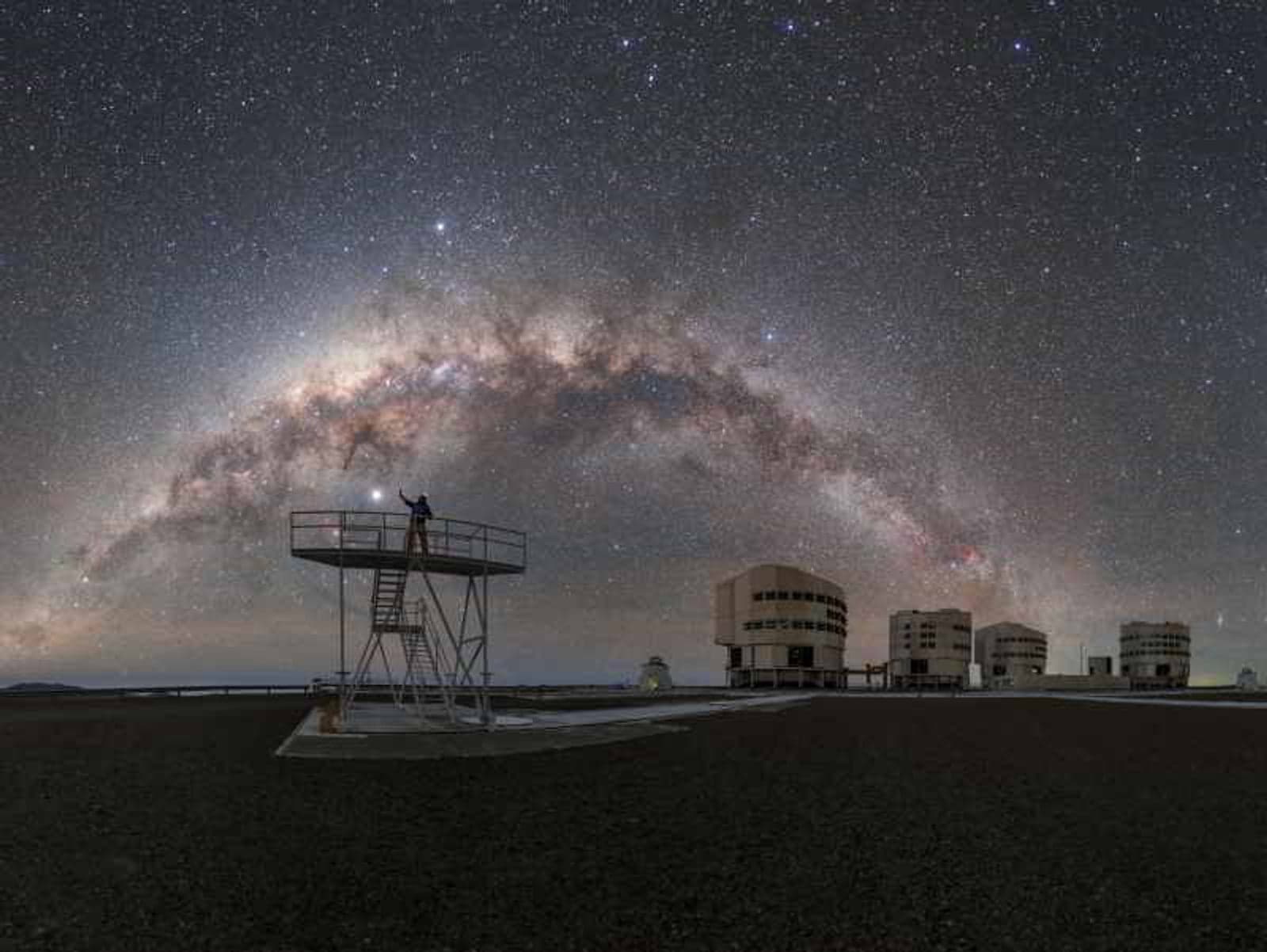
The Paranal Observatory in Chile’s Atacama Desert is facing threat from AES Andes’ proposed industrial-scale ‘Inna’ green hydrogen project.
Located about 130km south of the city of Antofagasta and 1,200km north of Santiago de Chile, the Paranal Observatory has been in operation since 1999 as one of the darkest and clearest astronomical sites in the world.
However, the site, home to the European Southern Observatory’s (ESO) Very Large Telescope – as well as the Cerro Amazones site some 20km to the east of Paranal where the ESO’s Extra Large Telescope is under construction – may lose this status.
In December AES Andes took formal steps for the Inna proposal with the submission of an environmental impact assessment to the Chilean permitting authorities towards obtaining the environmental permits.
Have you read?
Chile sets wind and solar records in 2024
Can clean hydrogen power the future?
AES Andes also has entered into an MoU with Samsung C&T to evaluate the joint development of the project, focusing on opportunities to produce green hydrogen for domestic consumption or for export to international markets, according to a statement.
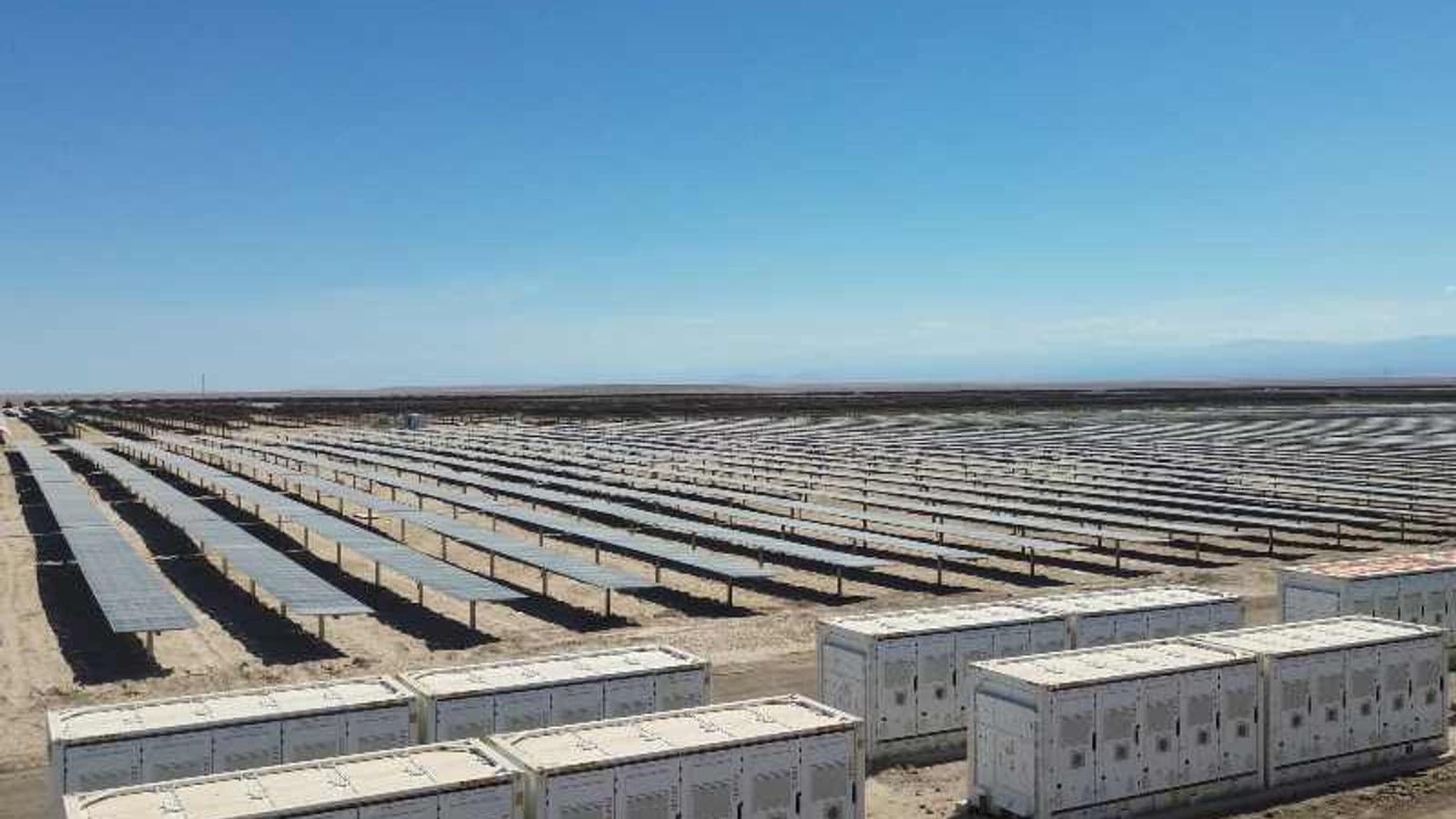
In the statement the proposed project is described as possibly including the production of green hydrogen and ammonia, as well as the deployment of solar, wind and battery storage to support the country’s electricity needs.
More specifically the environmental impact filing indicates a site occupying an area of around 3,000ha, having approximately 1,700MW of solar PV spread over three parks and two hydrogen plants with an output of 217,000t annually, of which 116,000t would be used for the production of ammonia and the other 101,000t for liquid hydrogen.
Javier Dib, AES Chile Market Business leader, says that the project is in early stage development and an investment decision is yet to be made, but the filing is an important step to ensure its viability.
“AES Chile is dedicated to accelerating the future of energy, creating opportunities that will diversify Chile’s energy mix, and supporting the country’s clean energy goals.
“As with any project, our partnership with local communities and stakeholders is a top priority, ensuring we are supporting local economic development, while maintaining the highest environmental and safety standards.”
Proximity to Paranal
In its response ESO points to the planned location of the project at just 5 to 11km from the telescopes at Paranal, and states it would cause irreparable damage to astronomical observations, in particular due to light pollution emitted throughout the project’s operational life.
Calling for the relocation of the complex, ESO director general, Xavier Barcons said: “Dust emissions during construction, increased atmospheric turbulence, and especially light pollution will irreparably impact the capabilities for astronomical observation, which have thus far attracted multi-billion euro investments by the governments of the ESO member states.”
The ESO has a long history in Chile, as does US astronomy, dating back to the early 1960s, with a growing number of telescopes at its first site on La Silla, about 600km north of Santiago, and at Paranal.
How the Paranal issue plays out remains to be seen and the environmental assessment is currently out for public consultation until 3 April.
However, it is likely to serve as something of a test case and reflects part of what should be a broader debate on resource and land use – including dark skies – in a decarbonising and increasingly technological world.
That includes the huge increase in the number of satellites – over 7,000 constellation satellites have been launched in the last five years, almost as many as the number of individual satellites launched since the dawn of the space age, according to the International Astronomical Union – which also is posing a threat to ground-based astronomy.
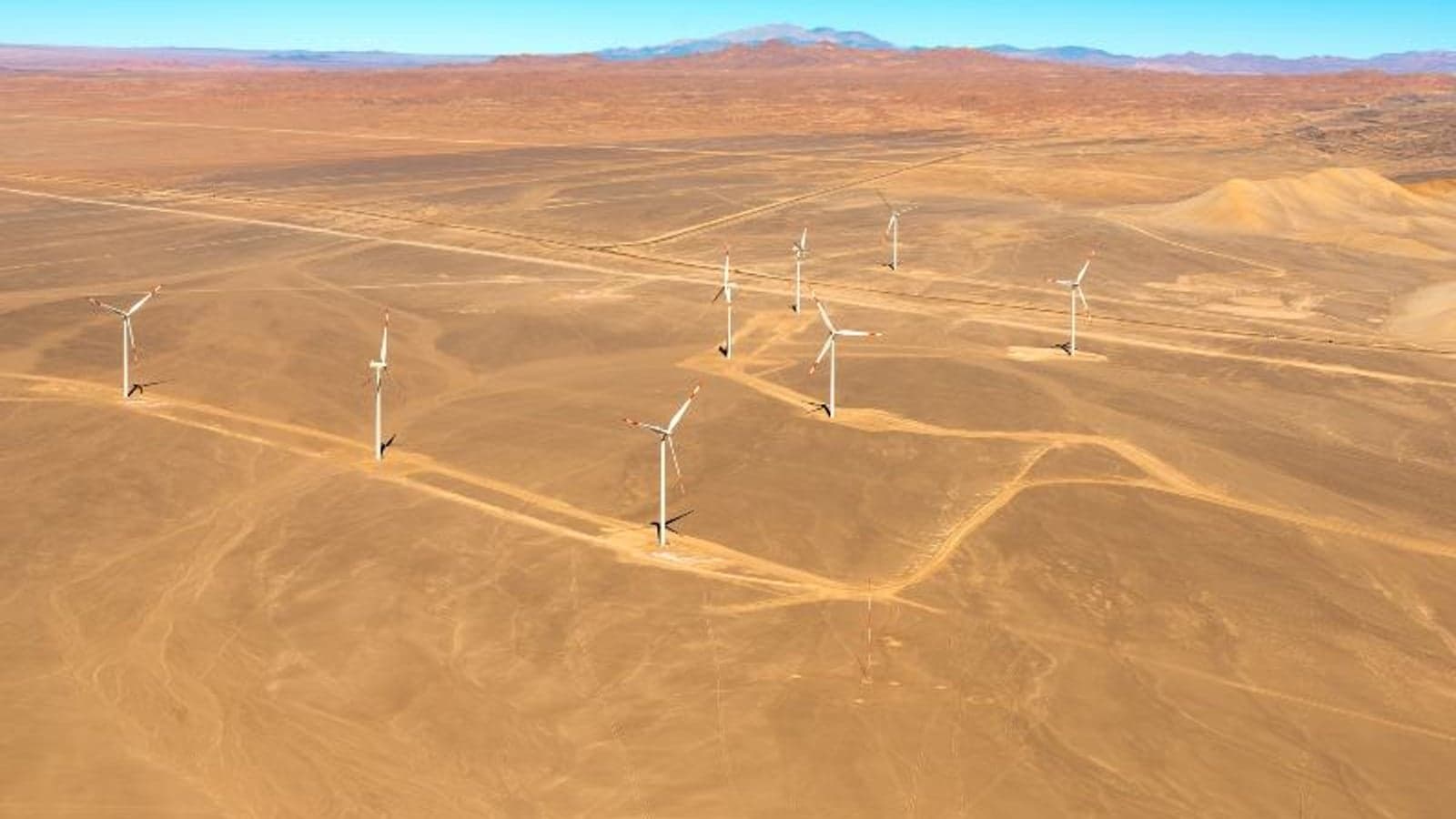
The Antofagasta region is favoured for its solar and wind potential, with several companies, including AES Andes, with facilities at various stages of development.
It also has been identified as a location for a ‘hydrogen hub’, with this renewable potential and access to ports and electricity infrastructure, as well as its proximity to mining operations that could utilise the hydrogen to decarbonise.