Biographite and the changing battery market
Yusuf Latief
Posted on: 26 April 2024
In an exclusive interview with CarbonScape's Oliver Foster, Yusuf Latief discusses their alternative to graphite and the developing battery market.
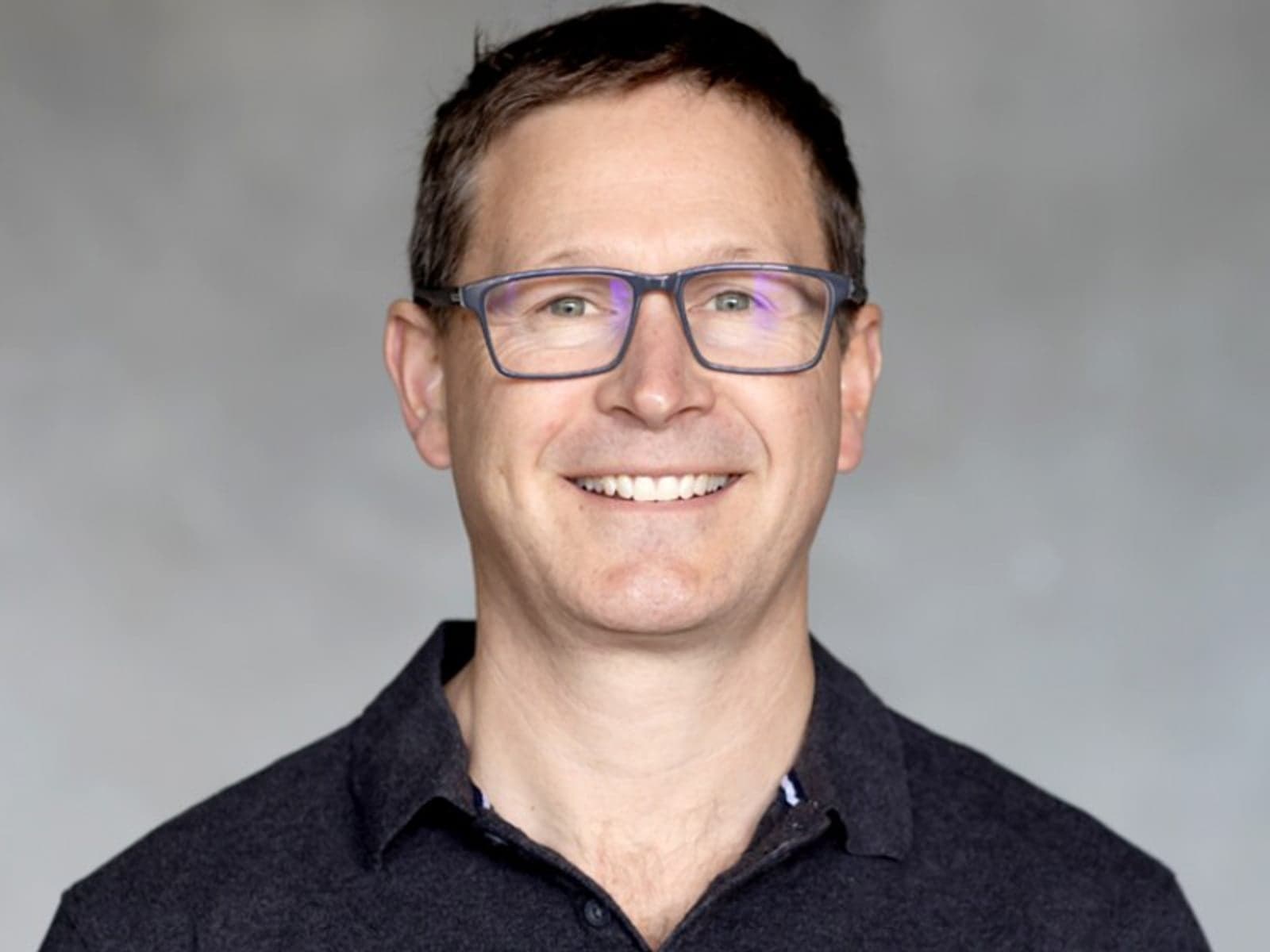
In an exclusive interview with CarbonScape's Oliver Foster, Yusuf Latief discusses the company's success to date and what their alternative to graphite signals for the battery market going forward.
In September 2023, New Zealand-based battery material developer CarbonScape announced an $18 million investment, signalling the company’s plans to commercialise its biographite production in Europe and the US, enabling cleaner lithium-ion batteries for EVs and grid-scale energy storage.
Graphite production is one of the largest CO2 emitters in the battery raw materials supply chain and represents a significant proportion of the cost of a battery.
This is where CarbonScape comes in with a biographite alternative, produced from forestry and timber industry by-products – i.e. wood chips from forestry waste.
Produced locally, the company says it will provide security of supply for European and US-based battery manufacturers in the face of increasing supply chain instability, while also on-shoring production of a critical material to meet rapidly growing demand.
Have you read:
Puerto Rican solar and battery project to boost grid reliability
Irish data centre batteries to provide backup power for grid stability
Last year you had a very successful round of financing, what were some of the challenges you had when approaching potential shareholders and investors?
One of the main challenges we faced was the need to educate them around the need for biographite, that is, the market challenges that it addresses: the projected shortfall of graphite and the problematic nature of incumbent forms of it.
Graphite is the largest component of lithium-ion batteries, comprising half its weight. As such, the electrification of transport has led to skyrocketing demand for this critical mineral, putting immense strain on existing supply chains – a supply deficit of 777,000 tonnes per year is expected by 2030 (IEA).
The lack of awareness of this huge issue is due, in part, to the focus on lithium and the issues within its supply chains. However, despite the name, that mineral represents one of the smallest components of a lithium-ion battery. You could well argue that they should instead be called Nickel-Graphite batteries. Elon Musk did.
The main challenge for the battery industry is securing enough graphite supply to fulfil demand, not lithium. Biographite enables countries to onshore and localise supply, providing secure supply of a higher performing, climate positive alternative to this critical mineral for batteries.
Smart Energy's Power Playbook:
BESS insurance: A blooming market vs booming risk
Investigating Europe’s energy storage financing landscape
It seems like the company is focused on being a clean, next gen company. With the EU passing a rule on tougher sustainability and labelling requirements for batteries and electric vehicles, how do you see this affecting the competitiveness of your product?
This is positive for us. Right from the beginning, the vision for us has been around creating a world where our renewable carbon products replace fossil carbons, for a greener future for all. Per the new EU rules, sustainability is now very much front and centre in the EU, which represents a key competitive advantage that our biographite has over incumbent forms of graphite on the market.
These measures send a very clear market signal that will enhance the competitiveness of our product. Batteries are critical for electrifying transport and this rule rightly recognises that there is a way to go in decarbonising the critical mineral supply chains that they depend on.
As such, it will encourage companies to look for alternative solutions that can help them reduce their scope 2 and scope 3 emissions. We see this stimulating demand for biographite, a climate positive alternative to graphite that is made from forestry industry by-products (like wood chips), as opposed to fossil fuel-based feedstocks.
It shows that policymakers in the EU are beginning to realise that the future of electrification must incorporate critical mineral sovereignty into the equation or risk driving key players in the European automotive sector out of business. The industry is already being placed under undue stress due to reduced access, supply constraints, and the unfair advantages enjoyed by overseas competitors.
Our technology facilitates the onshoring and localisation of production, freeing the sector from geopolitical uncertainties, as well as its dependence on harmful mining practices and highly polluting oil industry feedstocks. Unlike the incumbent forms of graphite, its production can also be rapidly scaled to meet the ever-accelerating demands of electrification. In addition, localising supply chains will create new green jobs and bolster the industry.
We believe consumers can also play an important role in enhancing the competitiveness of our product. Their putting pressure on governments and manufacturers to address the environmental and societal problems associated with the production of other forms of graphite can further drive demand for the mainstream adoption of a better alternative i.e. biographite.
What advice would you give to players in the power and battery markets going forward?
LCP Delta released research last year showing a drop in profits for the UK’s market post-peak in 2021/22, with lessons for investors.
According to the report, to maintain competitiveness developers must intensify their due diligence efforts, considering factors such as project duration, technology and location.
Due diligence is crucial for commercialisation and rapid scaling.
Companies aiming to drive positive change at scale and pace need to factor this in when seeking funding, as they will need to get through investors’ respective processes. But at the same time, you should also choose your investors (and partners) wisely.
You started out as a graduate geologist and have now spent the majority of your career associated with finance – take me on this career journey to how you ended up working with CarbonScape?
Born and bred in Perth, I ended up as a geologist out of university - a well-trodden path in Western Australia! A few years working offshore on the oil & gas rigs was enough for me to know that I didn't want to spend my life on the ocean. I was fortunate enough to receive a job offer from a boutique investment bank in Perth that needed someone with my expertise. They hired me as an energy analyst.
I developed my finance skills on the job and at night school, resulting in my earning a finance diploma. I led on the creation of a successful energy franchise within the investment bank, raising >$1 billion in new equity for various ASX listed energy companies from 2001 to 2011.
Having married a New Zealander in 2003, we decided to both have a career break in late 2011 and move to New Zealand. We love it here. I then worked as a financial consultant for four years. During this time, I came across CarbonScape – my analytical, scientific and financial background enabled me to comprehensively assess the potential of CarbonScape and the rest is history!
Related tags
Latest content
+4
Heineken installs 100MWh solar heat battery in Portuguese brewery
The beer company partnered with Rondo Energy and EDP on this first Heat-as-a-Service agreement in Portugal, combining solar power and thermal storage to decarbonize industrial processes through heat electrification.
- Yusuf Latief
- 05/11/2025