BMW extends waste-to-energy agreement to power manufacturing plant
Guest/partner contributor
Posted on: 25 April 2023
BMW will extend its partnership with Ameresco with eight years to power Plant Spartanburg with waste-to-energy methane gas from a landfill.
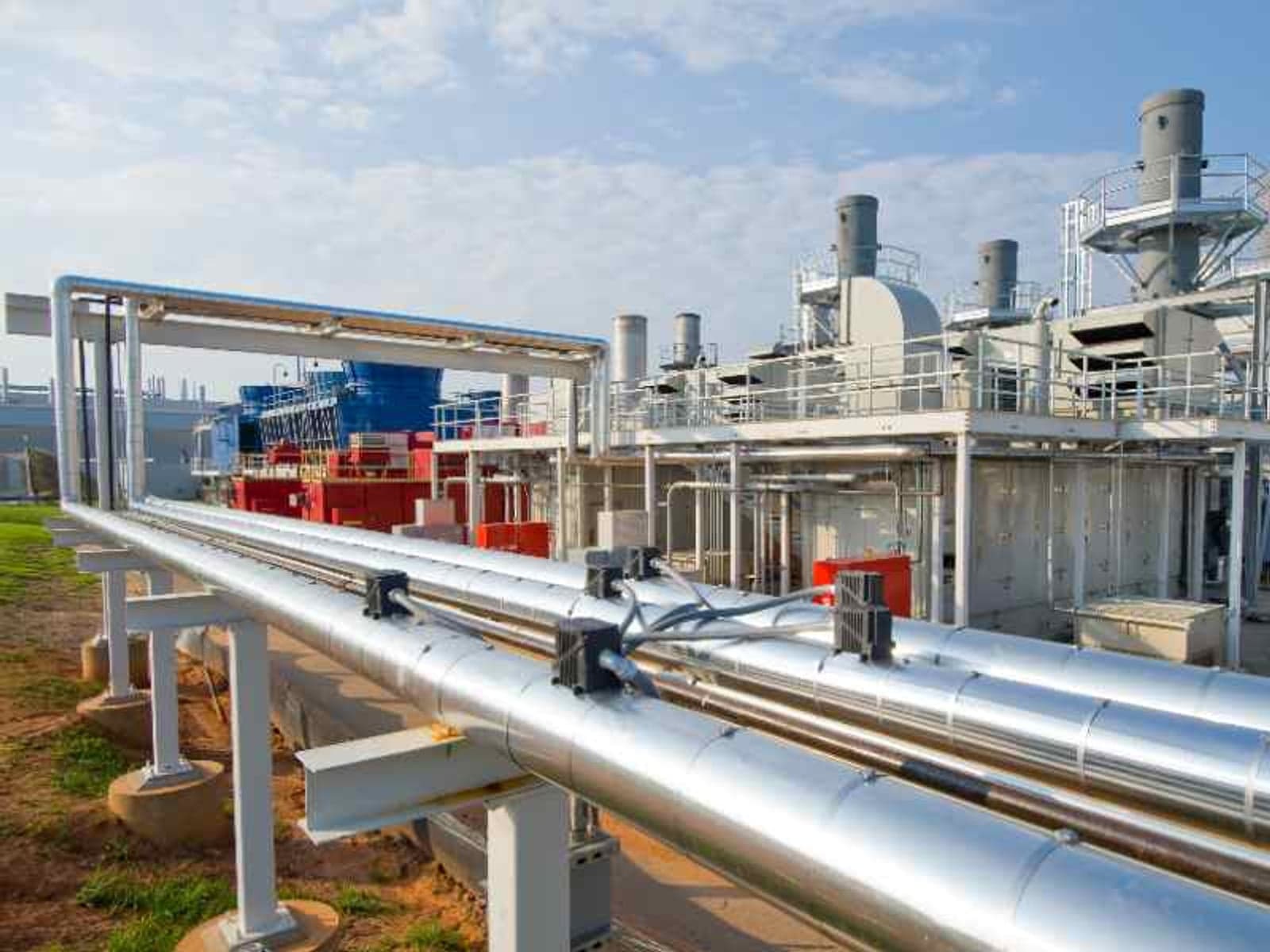
BMW announced last week that it will extend its partnership with Ameresco for an additional eight years to power Plant Spartanburg with methane gas from a landfill.
Twenty years ago, BMW started using recycled methane gas from a local landfill to provide electricity and hot water for its manufacturing plant in Spartanburg, South Carolina. Currently, about 20% of Plant Spartanburg’s total energy needs are provided by landfill gas.
Ameresco had constructed the 9.5-mile pipeline from the Palmetto Landfill to Plant Spartanburg. BMW estimates that more than 9,200 tons of CO2 emissions have been reduced each year over the course of the project and nearly 74,000 tons of CO2 emissions will be reduced over the next eight years.
“The old saying that ‘one person’s trash is another person’s treasure’ is literally true for our landfill gas-to-energy project,” quipped Manfred Pernitsch, V.P. of Real Estate Management and Environmental Protection for BMW Group Americas.
Have you read?
How to deliver dependable mission-critical power in a challenging world
Positive, pragmatic, disruptive: the ripple effects of the Inflation Reduction Act
According to the US Environmental Protection Agency (EPA), landfills are the third-largest human-generated source of methane emissions in the United States. Methane gas is a natural byproduct of the decomposition of organic materials in landfills.
Instead of “flaring” or burning off the methane gas, the BMW project captures the methane produced at the landfill using dozens of gas extraction wells. The gas is then treated to remove moisture and impurities and is compressed at the landfill’s Recovery and Compression Station. The methane then travels through a 9.5-mile pipeline from the landfill to Plant Spartanburg.
At the plant, the methane gas is cleaned and compressed again, then it’s fed into two gas turbines, which generate electricity and heat water throughout the eight million-square-foot Spartanburg plant.
BMW’s Plant Spartanburg has an annual production capacity of up to 450,000 vehicles and employs more than 11,000 people.
This story was first published on power-eng.com