Cable failures pose a threat to global offshore wind ambition
Guest/partner contributor
Posted on: 14 November 2023
Insurers are losing money underwriting cables with an average settlement amounting to around £9 million| writes Neil Gordon of Global Underwater Hub.
By the end of the decade, an anticipated £620 billion ($761 billion) will be invested in the global development of offshore wind as activity scales up to help the world achieve net-zero emissions by 2050.
But that potential, writes Neil Gordon, chief executive of Global Underwater Hub (GUH), is at serious risk of derailment due to the poor performance and therefore reliability of subsea cables, collectively identified as the most common cause of failure in offshore wind assets.
The gravity of the situation goes well beyond the impact on development and subsequent capacity, it’s fast reaching the stage where cable failure risks could make projects uninsurable.
Current estimates are that around 85% of the total value of offshore wind insurance claims relate to subsea cables and, with an average settlement amounting to around £9 million ($11 million), insurers are losing money underwriting cables.
Have you read?
GCube partners with Renew Risk on offshore wind insurance model
Wind sector bust is a learning moment for climate policy states report
It’s a situation which is reaching a tipping point. Brokers have already warned that the high number of cable claims is affecting capacity and coverage and the cost of repairs typically running into millions, with warranties rarely covering the high cost of business interruption.
The upshot is that there is a very real danger that options for insuring these cables, the lynch pin of the offshore wind industry, will be severely limited with the consequences constraining the world’s ability to meet net-zero targets.
To meet the current 2050 net zero ambition, the generating capacity from offshore wind must increase by a mind-boggling 1,120GW. That’s a gargantuan leap from the 2020 capacity of 30GW.
Achieving that will require the installation and maintenance of thousands of miles of reliable cables under the seabed, but without finding a solution to the cabling problems – and finding it fast - offshore wind projects around the world are at risk of being derailed.
Identifying potential weak points along the lifespan of a cable is imperative in ensuring these key components of underwater infrastructure operate reliably and efficiently to bring green, renewable energy ashore.
With time ticking away, the need to identify remedial action which will increase the reliability of subsea cables, minimise down time and reduce risk and cost to secure the success of offshore wind as a key driver for the energy transition, is a priority.
It’s acknowledged that the solution lies with the underwater industry itself and that the approach to identifying and addressing the issues must be comprehensive, considered and collaborative, bringing together stakeholders from across the sector willing to share information and work together on the solutions.
There’s no easy answer, no one area where we can attribute blame for the failures, the underlying issues are complex and could stem from one or multiple phases in the design, manufacture, installation and operation of these cables.
The issue of insurance is seen as tantamount and one which becomes even keener with the increasing shift from fixed to floating offshore wind where the complex challenges on subsea cable performance increases.
At a recent conference and workshop attended by more than 120 industry representatives, one developer said the cost of insuring a 1.2GW offshore windfarm over its lifetime is in the region of £350 million ($439 million) with insurance brokers estimating that the costs associated with floating offshore wind will be 30% higher than fixed.
One of the first steps to finding a resolution must be a willingness to embrace genuine collaboration, to share data, feedback and insight at every stage of a cable’s lifecycle.
Industry-wide solutions
Only through an industry-wide willingness to move away from an environment currently seen as siloed, secrecy driven and non-disclosure agreement (NDA) heavy will we achieve a real shift that will lead to the introduction of data logging and transparency to create a more open environment where lessons learned can be shared to nurture the development of best practice.
Taking action before failures and problems occur will be vital and there is a need to explore alternative, better ways of monitoring cable asset performance by looking at opportunities to use, for example, real-time monitoring coupled with continuous data analysis across assets to predict failure before it’s too late.
With research confirming that most cable failures can be addressed by the industry itself, the Global Underwater Hub, trade and industry body for the underwater sector, is taking an industry-led approach. That includes the establishment of a subsea cables industry forum. And while we primarily represent companies operating in the UK’s £8 billion )$10 billion) underwater industry, the impact of the forum’s work will resonate around the world.
The forum’s membership has been drawn from companies and organisations across the cables’ spectrum particularly design, manufacturing, installation and operations. The forum has been charged with identifying and agreeing proposed courses of actions to improve subsea cable performance and reliability at every touchpoint. These will include new initiatives, adopting common standards, work practices and methodologies and any other means of improving quality and reliability.
Identifying and establishing best practice to improve the quality and reliability of cables, and ultimately their insurability is critical if we are to avoid the catastrophic derailment of the global ambition for offshore wind. Achieving that will take accountability, action and the acknowledgment that the buck stops here.
About the author
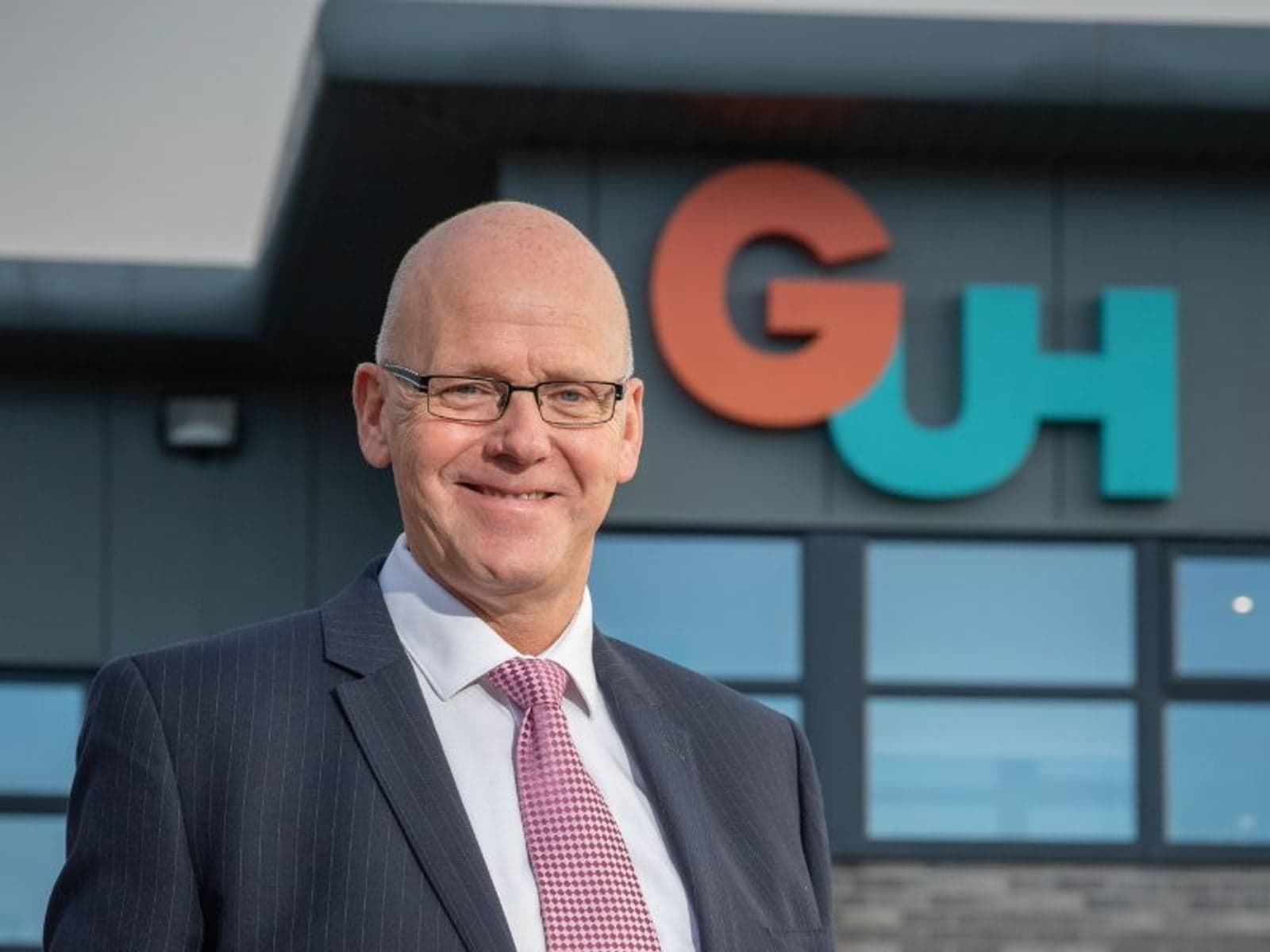
Neil has 30 years management experience in director and business development roles, combined with over 17 years in the underwater industry. He trained as a commercial diver, carrying out diving assignments in the UK and Norwegian waters involving new construction projects, pipeline surveys, welding and inspection and spent four years leading the National Hyperbaric Centre before becoming CEO of Subsea UK in 2011 and leading its successful transition into the Global Underwater Hub.