Can Spain be a leader in green hydrogen?
Pamela Largue
Posted on: 19 February 2024
Spain can potentially produce the most competitive hydrogen in Europe| according to scenarios presented by engineering advisory firm AFRY.
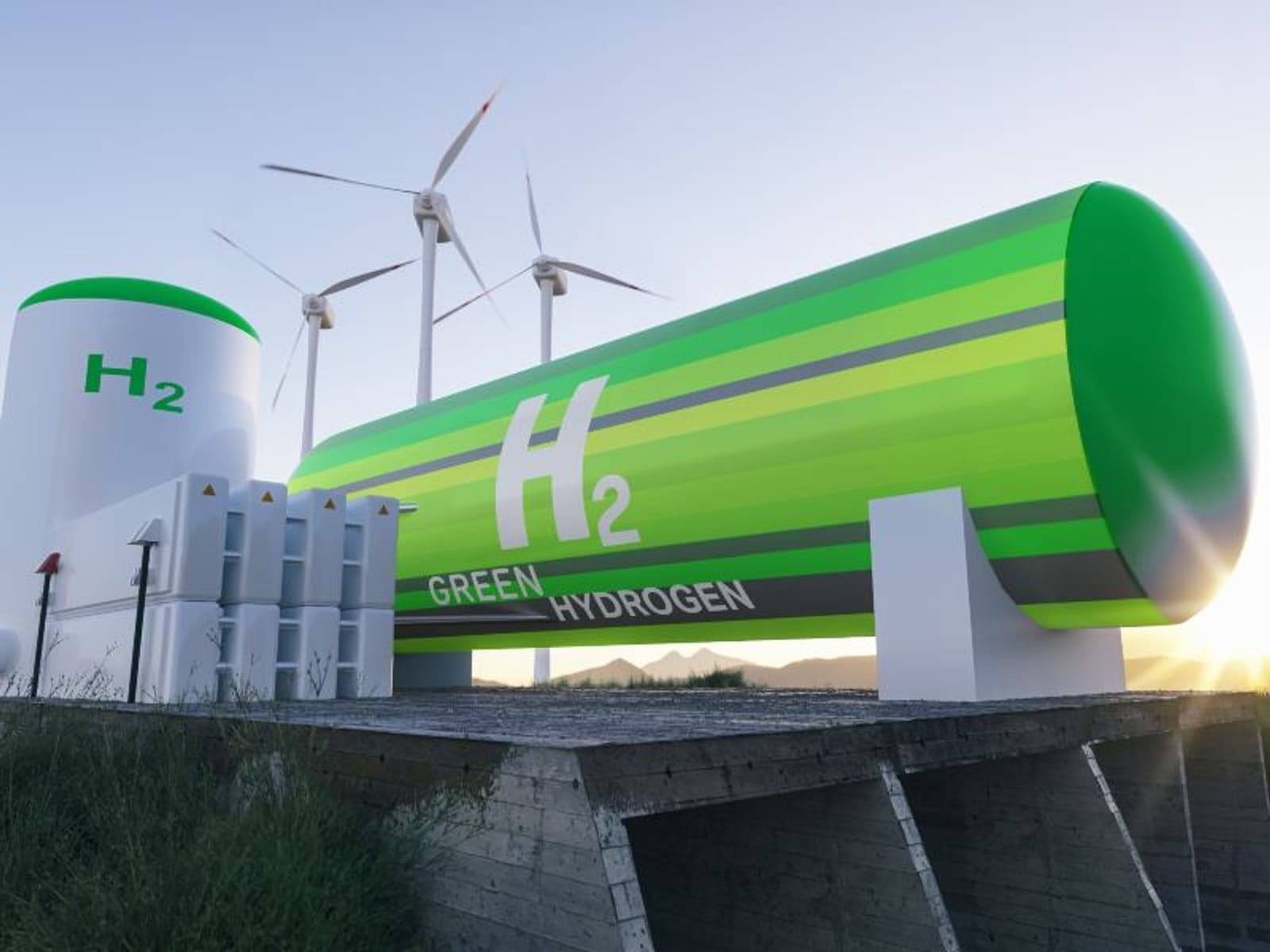
Spain can potentially produce the most competitive green hydrogen in Europe, according to scenarios presented by engineering advisory firm AFRY. However, there is some doubt about whether the country can meet its ambitious 2030 hydrogen targets.
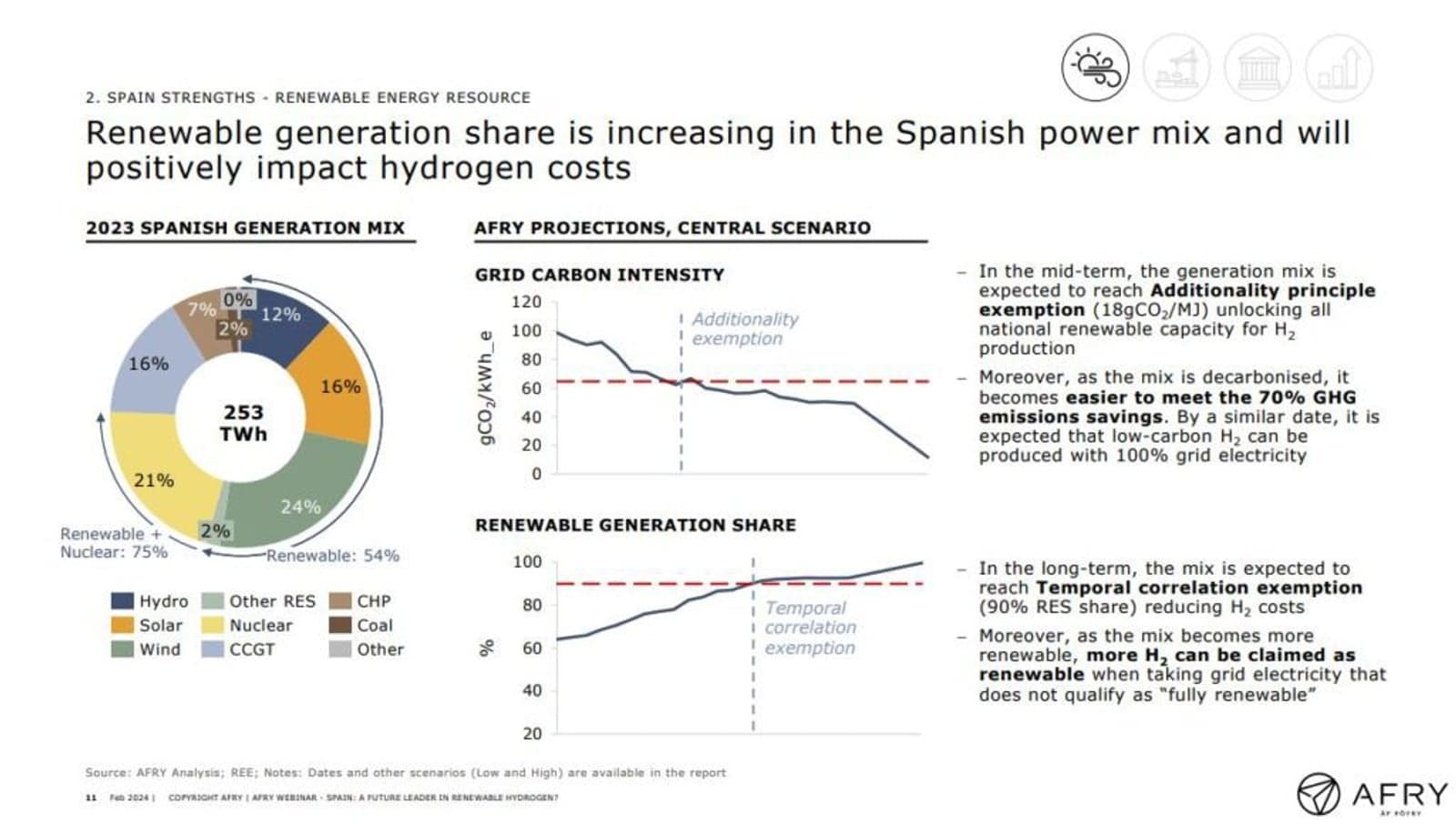
An online discussion hosted by AFRY (Spain – A Future Leader in Renewable Hydrogen?) highlighted why Spain has great potential to develop a hydrogen economy. As of 2023, 54% of the country's power produced was renewable and AFRY predicts this decarbonisation trend will continue.
Evidence of this trend is the impressive forecast of solar PV projects due in the coming years, an advantage for electrolysers.
And according to senior energy markets consultant, Pablo Cubells, it's this project pipeline that sets Spain up for success in the green hydrogen space.
"By 2050 we expect 400 million tonnes of hydrogen demand per year," says Cubells, explaining that electrolysis will be the key technology to deliver that demand.

Currently, Spain has four operational hydrogen plants with a total of 30MW electrolysis capacity and has the 4th largest electrolysis pipeline of any country in the world, added Cubells.
Favourable conditions
Cubells emphasised several factors that make Spain optimal for the development of a hydrogen economy.
A favourable regulatory framework is one such factor. The government has set ambitious targets and offered €3 billion ($3.2 billion) in support for renewable hydrogen projects. Furthermore, the government has provided measures to reduce project OPEX and has simplified permitting for electrolysis facilities.
Have you read?
Q-Cero Alliance to decarbonise thermal energy demand in Spain
German utility STEAG acquired by Spanish firm for €2.6bn
Another important factor is that Spain is home to some of the most abundant solar resources in Europe, said Cubells. Together with its land capacity, the country is ideal for combined solar and hydrogen projects. Interest in these projects is growing, especially when combined in clusters, which allow the various players to share costs and benefit from economies of scale.
Another important factor, explains Cubells, is that the country imports large amounts of grey ammonia and grey methanol. The ports, LNG terminals and associated infrastructure are already in place to handle methanol and ammonia.
"We can liberate all this infrastructure to export hydrogen derivatives," said Cubells, and in the long term a hydrogen backbone can be developed to connect these sites and ports.
Challenges and delays
Capitalising on the existing infrastructure will deliver benefits, however delays can be expected, explained Cubells.
Even though the market appetite is strong, reaching Spain's target of a 23GW electrolysis project pipeline by 2030 might not materialise. AFRY is more conservative, forecasting a quarter of these GW to be deployed. This is due to a lack of demand readiness, supply chain bottlenecks and a lack of hydrogen cost competitiveness.
Energy Transitions Podcast: How to build a viable green hydrogen economy
Cubells added that a massive amount of investment, to the tune of €30 billion ($32.3 billion), will be required to develop the sector and significant upgrades to the grid will also be needed to avoid connection constraints in the future.
Finally, Cubells pointed to one aspect of hydrogen production which must be considered - the amount of fresh water needed for projects. On average 1kg of hydrogen requires close to 70 litres of pure water. That means 100 million tonnes of electrolytic hydrogen will need 3% of the current total industrial water needs.
"While this doesn't sound a lot, the reality is complex," said Cubells. Water scarcity and erratic rainfall can be problems in Spain, a factor which could hinder project development.
Despite these challenges, Cubells believes that Spain's renewable resources and already well-developed grid position it ahead of its European peers in developing a hydrogen economy.