Carbon capture planned for German waste-to-energy plant
Power Engineering International
Posted on: 30 October 2023
Aker Carbon Capture has been awarded a feasibility study by TES to explore the implementation of a carbon capture plant in Germany.
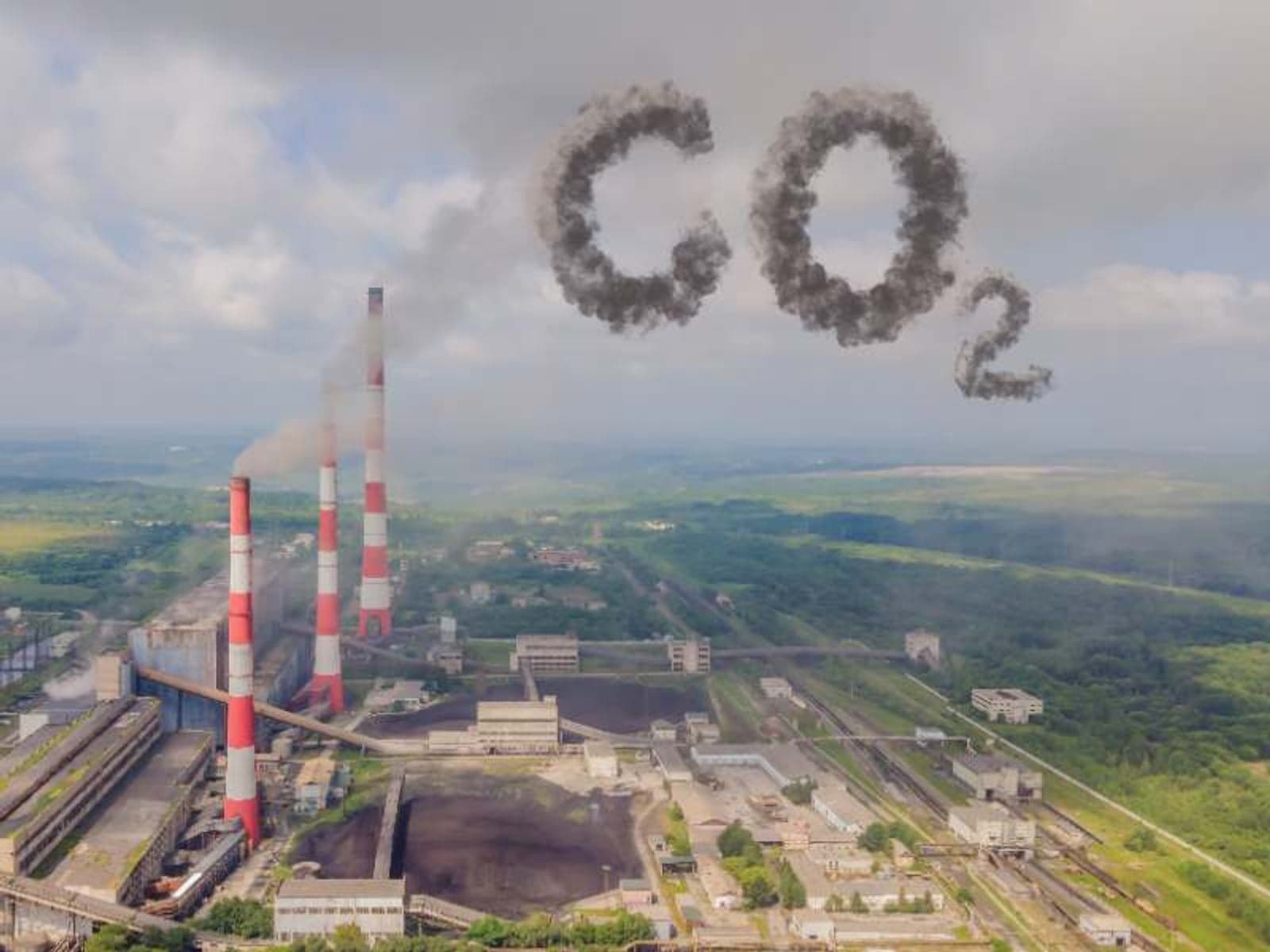
Aker Carbon Capture has been awarded a feasibility study by green energy company TES, to explore the implementation of a carbon capture plant at a waste-to-energy facility in Germany.
The planned capture capacity will be 400,000 tonnes of CO2 per year.
The captured CO2 will be transported by railcar to the TES facilities at Wilhelmshaven in Northern Germany to produce e-NG, which is electric natural gas derived from green hydrogen and CO2.
Jon Christopher Knudsen, chief commercial officer at Aker Carbon Capture said, “We are excited to be working with TES on this innovative decarbonisation project. By using recycled CO2 to deliver green energy to users, further CO2 emissions are being avoided, contributing to Germany’s goal to achieve Net Zero greenhouse gas emissions by 2045. We aim to deliver our modular Just Catch 400 unit, which has gained high market interest since its recent launch.”
Jens Schmidt, chief technology officer at TES said, “We look forward to the collaboration with Aker Carbon Capture on our route towards net-zero. This evaluation of an industrial scale project will allow us to select the best of different available capture technologies based on real-life performance going forward in massive scale up.”
Have you read?
TVA to study carbon capture at two natural gas-fired plants
How automation can decrease the risks of CCS projects
The study awarded to Aker Carbon Capture will assess the optimal CO2 capture, conditioning,
liquefaction and temporary storage facility.
The captured CO2 will be the source material to produce eNG, which is a sustainable alternative to fossil natural gas. It’s created by combining green hydrogen from renewable power with recycled CO2 from industrial emissions and biogenic CO2, to create synthetic methane or green gas. This conversion will take place in a region where green electricity and therefore green hydrogen is plentiful, making it more cost effective.
Germany aims to cut its carbon dioxide emissions by 65% by 2030 compared with 1990 and to become carbon neutral by 2045. Carbon capture, utilization and storage (CCUS) has been identified as playing an important role in the country’s goal to achieve these targets. The German government is expected to publish its Carbon Management Strategy later this year.
e-NG is easy to transport and store, which makes it a viable and scalable clean energy source. It is
chemically identical to natural gas and blends easily into the existing fuel mix. This makes it a very simple and cost-effective solution for scaling up the green transition. By 2030, TES plans to produce around 15TWh of e-NG annually, which is equivalent to 0.4 megatonnes of green hydrogen.
Related tags
Latest content
+3
UK: £5 million for research into hydrogen production from biomass
The UK government has launched the new Hydrogen BECCS (biomass with carbon capture and storage) Innovation Programme to support the development of new technologies that will generate hydrogen from biomass and waste.
- Jonathan Spencer Jones
- 17/01/2022