Home
/
Charging infrastructure, standards needed to accelerate EV uptake in Europe - Eurelectric
Charging infrastructure, standards needed to accelerate EV uptake in Europe - Eurelectric
Enlit Editorial Team
Posted on: 15 February 2021
Clear regulation and new financing models are needed to overcome hurdles to accelerated EV uptake, say Eurelectric and EY in a new report.
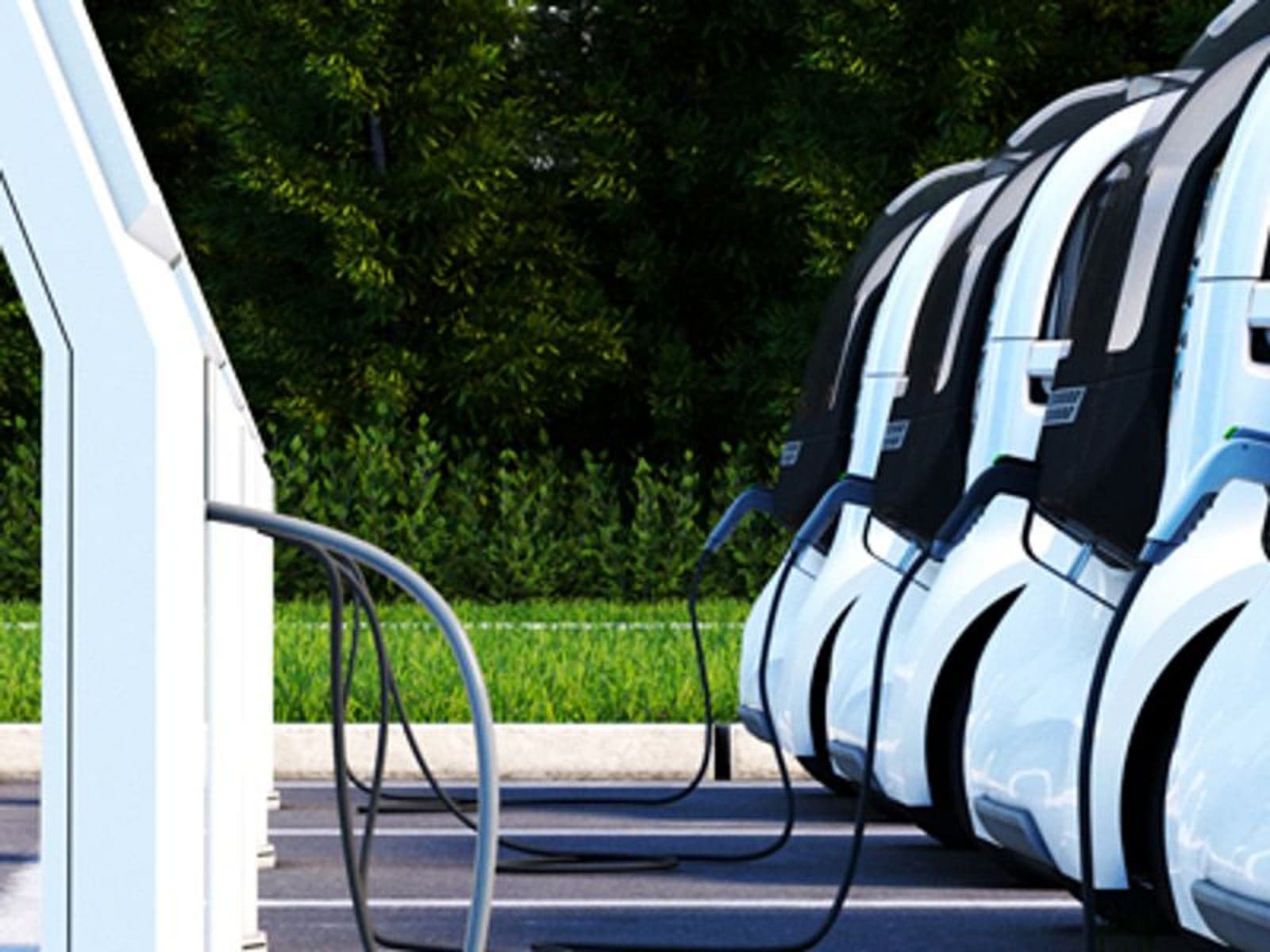
Clear regulation and new financing models are needed to overcome hurdles to accelerated EV uptake, say Eurelectric and EY in a new report.
The report, Accelerating fleet electrification in Europe, argues that the region's vehicle fleets hold significant potential for supporting accelerated decarbonisation of transport and should be prioritised.
These fleets consist of 63 million cars, vans, buses and trucks operated by private companies or public authorities. Together however, despite representing only 20% of the vehicle stock, they account for 40% of all kilometres travelled and 50% of the CO2 emissions from transport.
If Europe's road transportation's emissions are cut by 10% year on year, the region stands a very good chance of meeting its 2030 emissions target, paving the way to a 90% reduction in transport-related emissions by 2050, the report states.
"Electrification of car fleets can be a real game changer. It comes with tangible reductions of total costs of ownership and CO2 emissions,â says Kristian Ruby, Secretary General of Eurelectric.
"So it is a good deal both for fleet owners and society at large."
Fleets offer several advantages for targetted electrification. One is the incentives and discounts applied to bulk sales, which raise the attractiveness of EV purchases. Another is the route predictability of vehicles, which would accelerate the deployment of charging infrastructure in key locations.
They also would accelerate the development of a second hand EV market.
Charging infrastructure
However, the lack of infrastructure is a key hurdle to growth with Europe's existing 213,000 public EV charging points, of which only 14% are fast chargers, well below target. A 13-fold increase is needed to meet the European Commission's ambition of installing three million public charging points by 2030, the report finds. The cost of this public charging infrastructure is estimated at €20 billion ($24.3 billion). A further €60 billion ($73 billion) is needed for private charging infrastructure, while €25 billion ($30 billion) is required to enable the distribution grids to support the charging infrastructure rollout. The lack of interoperability is another hurdle and agreed common standards are needed for both the hardware and software of recharging solutions to incentivise investment and enhance the driver experience. Another issue is the supply chain for batteries and vehicles to ensure that the right products are brought to the right time and that end-of-life battery recycling is enabled. The study anticipates that fleet electrification could grow 24-fold to total 10.5 million EVs by 2030. By then, the bus segment will have electrified 42% of its stock, followed by the car and van segments at 17.5% and 12% respectively. This story was originally published on Smart Energy International Share on Social Media / via Email Share