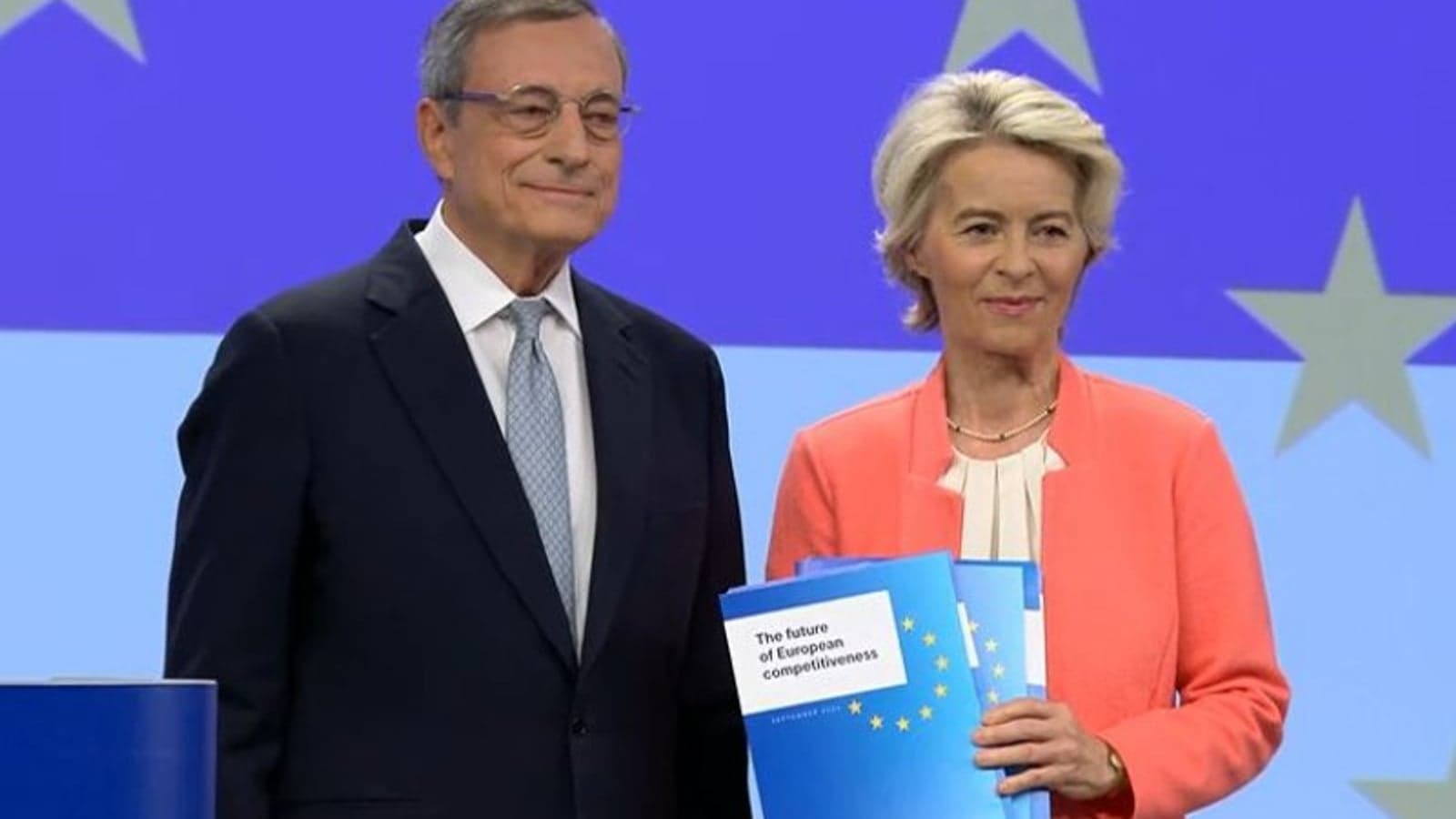
Clean Industrial Deal: a plan to accelerate Europe’s industrial decarbonisation
Jonathan Spencer Jones
Posted on: 26 February 2025
The Clean Industrial Deal sets out a business plan bringing together climate and competitiveness to accelerate Europe’s decarbonisation and reindustrialisation.
The Clean Industrial Deal sets out a business plan bringing together climate and competitiveness to accelerate Europe’s decarbonisation and reindustrialisation.
As a first step, the EU Commission has pledged €100 billion ($105 billion) from the Innovation Fund to promoting the decarbonisation of the European industry.
The overarching aim is to present European industry with a stronger business case for large climate neutral investments focussed in the closely linked energy intensive industries and cleantech.
Energy intensive industries require urgent support to confront high energy costs, unfair global competition and complex regulations, states the document.
At the same time, the clean-tech sector is a key enabler of industrial transformation, competitiveness and decarbonisation.
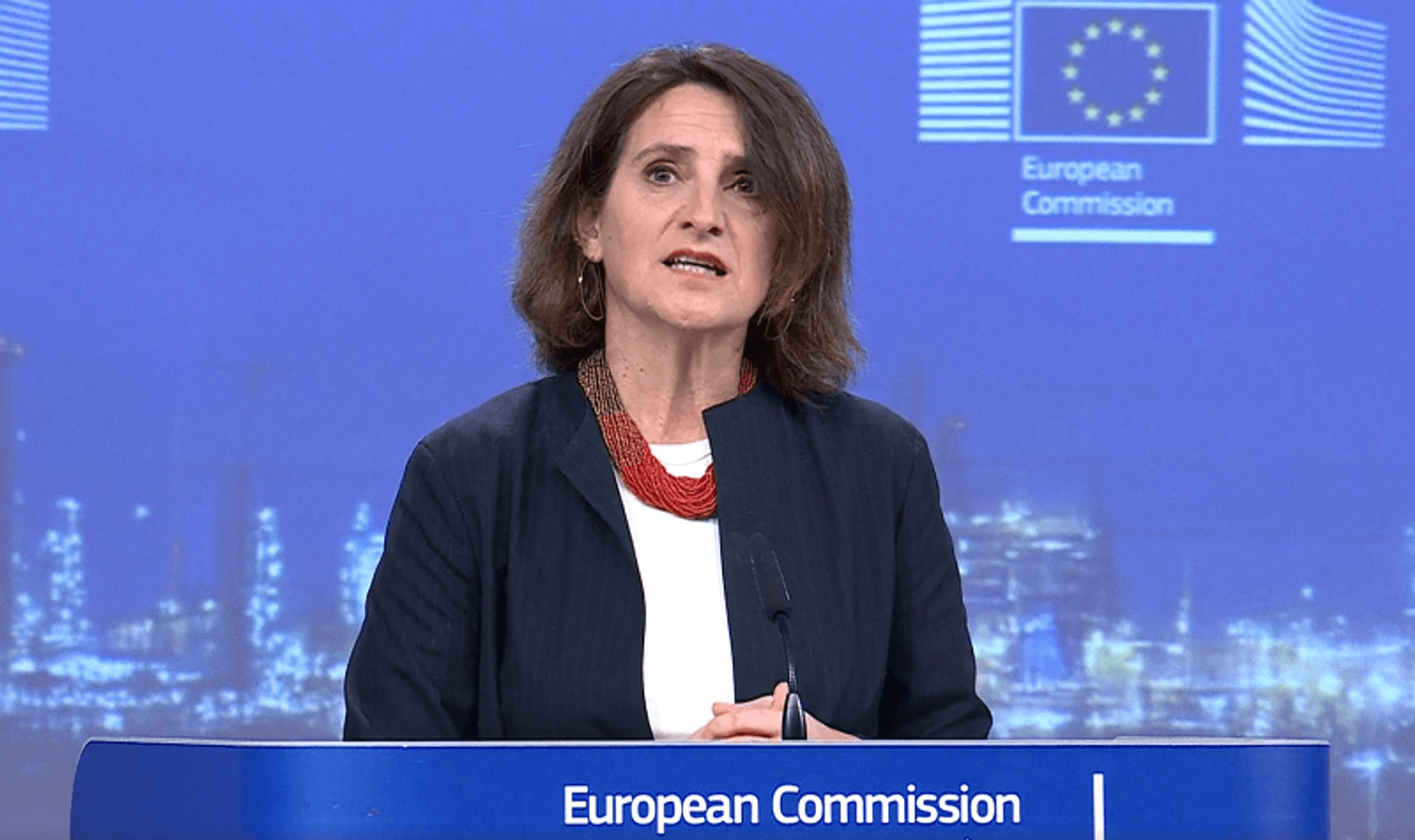
Launching the Deal in Brussels, Teresa Ribera, Executive Vice-President of the European Commission for a Clean, Just and Competitive Transition, said the EC’s “mission is for Europe to lead in clean manufacturing power”.
“Our industry deserves a bright future and that future starts today,” she added.
“The Clean Industrial Deal is a commitment to our people and to create quality jobs and offer opportunities to all.”
She said the Deal will deliver “the right answers in the right markets to ensure a level playing field, which is a key driver for competitiveness policy”.
Have you seen?
A Swedish formula for European industrial competitiveness
Energy Transitions podcast: Bringing industrial flexibility to market
Two interlinked sectors
The Deal focuses mainly on two interlinked sectors:
- Energy-intensive industries as they require urgent support to face high energy costs, unfair global competition and complex regulations.
- Clean-tech as this sector will drive industrial transformation, competitiveness and decarbonisation. The Deal aims at boosting demand and uptake of clean products and solutions in the EU.
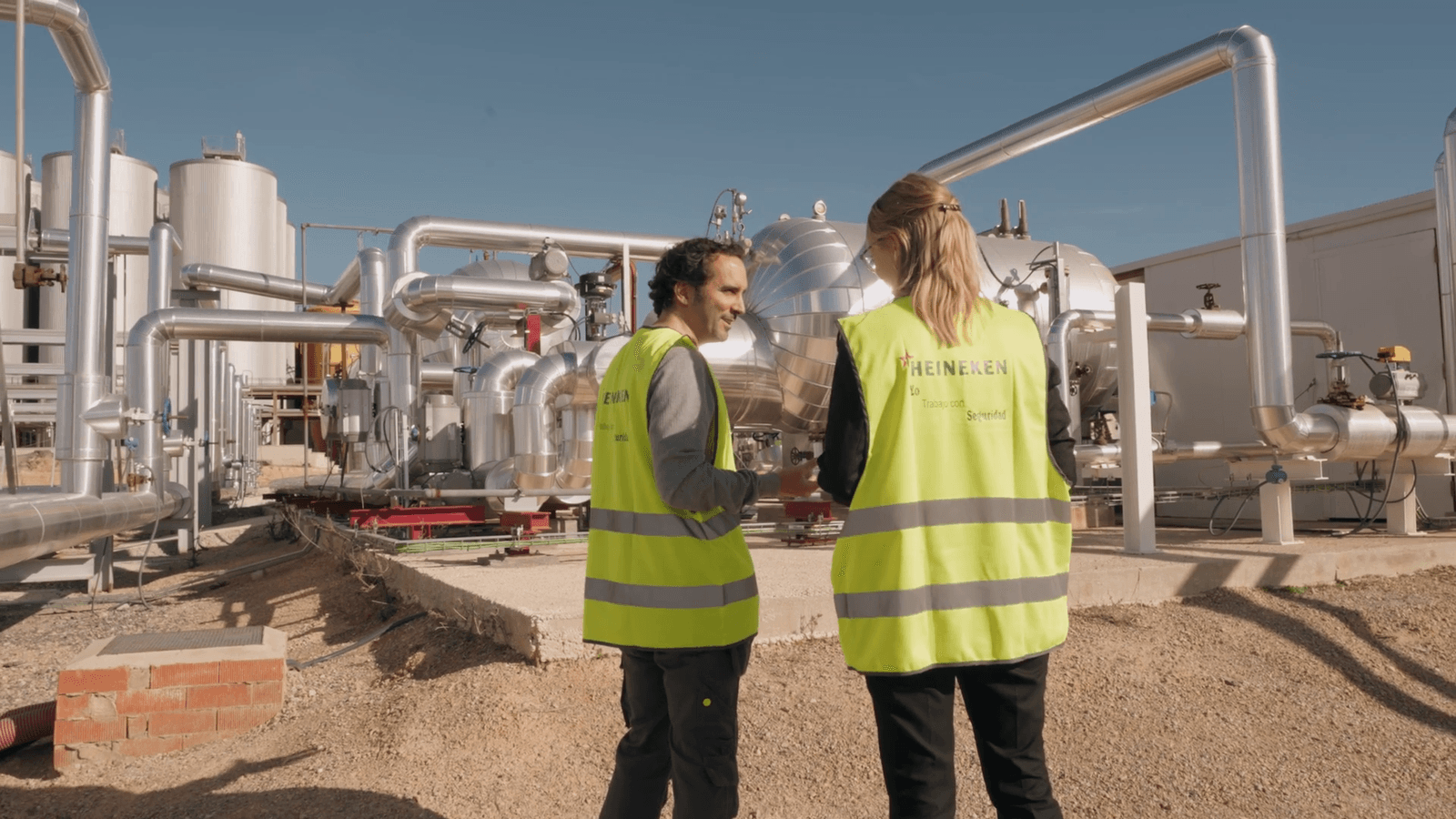
The Deal makes circularity a priority. It is key to make the best possible use of the EU's limited resources, reduce dependencies on scarce materials and enhance resilience. It reduces waste, production costs, and CO2 emissions while creating a more sustainable and competitive industrial model that benefits the environment.
According to Helena Gerard, senior researcher at EnergyVille: "The Clean Industrial Deal has the potential to become an important accelerator to transition to a net zero-economy. However, it is unclear if the proposed measures are sufficient to unlock the investments needed in electrification, digitalisation and grid infrastructure".
Gerard, who is going to discuss industrial competitiveness during the European Industrial Energy Days on 12 and 13 March in Amsterdam, adds: "Clear choices need to be made to steer investments towards strategic, sustainable and future-proof industrial sectors.
"Collaboration between various stakeholders is a precondition to position Europe at the forefront of industrial transformation and innovation. The Belgian GALILEO project is an example where energy-intensive industry together with research institutes and engineering companies develops new approaches for energy procurement and flexibility provision."
Six key areas
The thrust of the Clean Industrial Deal is focused on six areas, of which the first and arguably most critical is access to affordable energy and which is addressed in the accompanying Action Plan for Affordable Energy.
Three aspects of the plan are particularly relevant to industry: lowering electricity bills, accelerating the rollout of clean energy and electrification, and ensuring well-functioning gas markets.
Building a business case for decarbonised products also requires measures to boost demand and the Clean Industrial Deal aims to put these in place with the creation of lead markets for clean technologies and products.
Proposals include product labelling for industrial products and a voluntary carbon intensity content label alongside promotion of the uptake of renewable and low carbon hydrogen.
This clean transition is set to require major investments – an increase in annual investments in energy, industry and transport by around €480 billion ($504 billion) over the previous decade.
The Clean Industrial Deal proposes both strengthening EU level funding, e.g. through the Innovation Fund, and leveraging private investment through inter alia InvestEU.
Another key aspect is circularity as a strategic approach to procuring raw materials and reducing exposure to unreliable suppliers and supply disruptions.
In this regard, implementation of the Critical Raw Materials Act will be prioritised and in 2026 a Circular Economy Act will be adopted to scale the market of secondary raw materials and other recyclates.
Global markets and international partnerships also are considered critical for Europe’s clean industrialisation objectives and the clean trade and investment partnerships need to be concluded and fully implemented.
The carbon border adjustment mechanism also needs improvement to limit carbon emissions embedded in imported products.
Last but not least is the need for skills and quality jobs and a ‘Union of Skills’ is planned to enhance skills intelligence, while a ‘quality jobs roadmap’ is proposed to support industry in enhancing working conditions.
Guido Janssen, CEO of Nyrstar, says Europe's non-ferrous metals industry needs the Clean Industrial Deal to realise its ambitions, highlighting its role in de-risking critical minerals and metals investments, with access to affordable energy key.
Calling for urgent action across the region, Janssen, also participating in European Industrial Energy Days, says: “We need all member states to appropriately support their energy intensive industries, in particular mitigating costs related to grid investments and incentivising voluntary demand response."
But more is needed from the Commission, he adds: “The Commission should take the lead and move faster to provide immediate energy cost support for those energy intensive industries most at risk. A fast implementation of the Critical Raw Materials Act will contribute to our open strategic autonomy.”

Implementation across sectors
With the Clean Industrial Deal focussed on actions that will be taken at the EU level, it seeks to serve as a framework for individual industries to develop their own transition pathways.
Among those forthcoming as action plans for the automotive sector and steel and metals, both due in March.
A chemical industry package is due for adoption in late 2025.
The European Commission also is proposing a bioeconomy strategy to improve resource efficiency and to tap the growth potential of bio-based materials as substitute for fossil-based materials.
Latest content
+1
EU Energy Projects podcast: Europe’s competitiveness - Balancing ethics, growth and innovation
Areti Ntaradimou had the opportunity to discuss with Giulia Conforto and Lorena Skiljan key themes regarding Europe's strengths, challenges, and opportunities in shaping its future.
- Areti Ntaradimou
- 19/02/2025