Climate supremo Stark says political radicalism will make UK an ‘electro state’
Kelvin Ross
Posted on: 24 June 2025
Head of Mission Control Clean Power says UK ‘wants to lead this global energy transition not follow it’
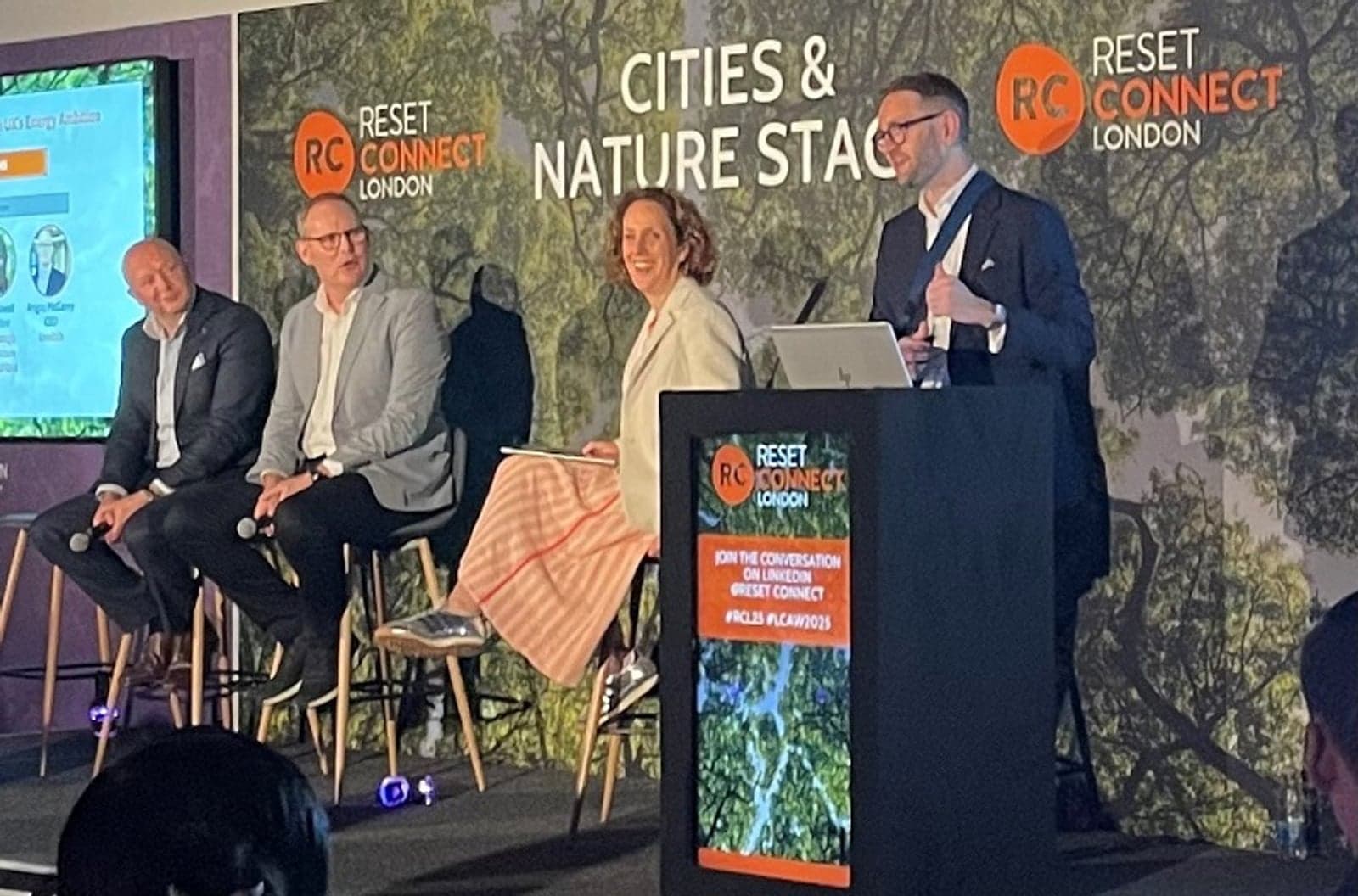
'We want to lead this global energy transition, not follow it’ says climate chief
Chris Stark is a year into his job. What does Chris Stark do? He’s the person responsible for delivering the energy transition in the UK.
Stark was appointed swiftly following Labour’s general election victory last July as head of Mission Control – Clean Power 2030, the does-what-it-says-on-the-tin name of the government’s engine driving energy strategy.
He came to the job well qualified: he was previously chief executive of the Climate Change Committee, which advises – and holds to account – the UK government.
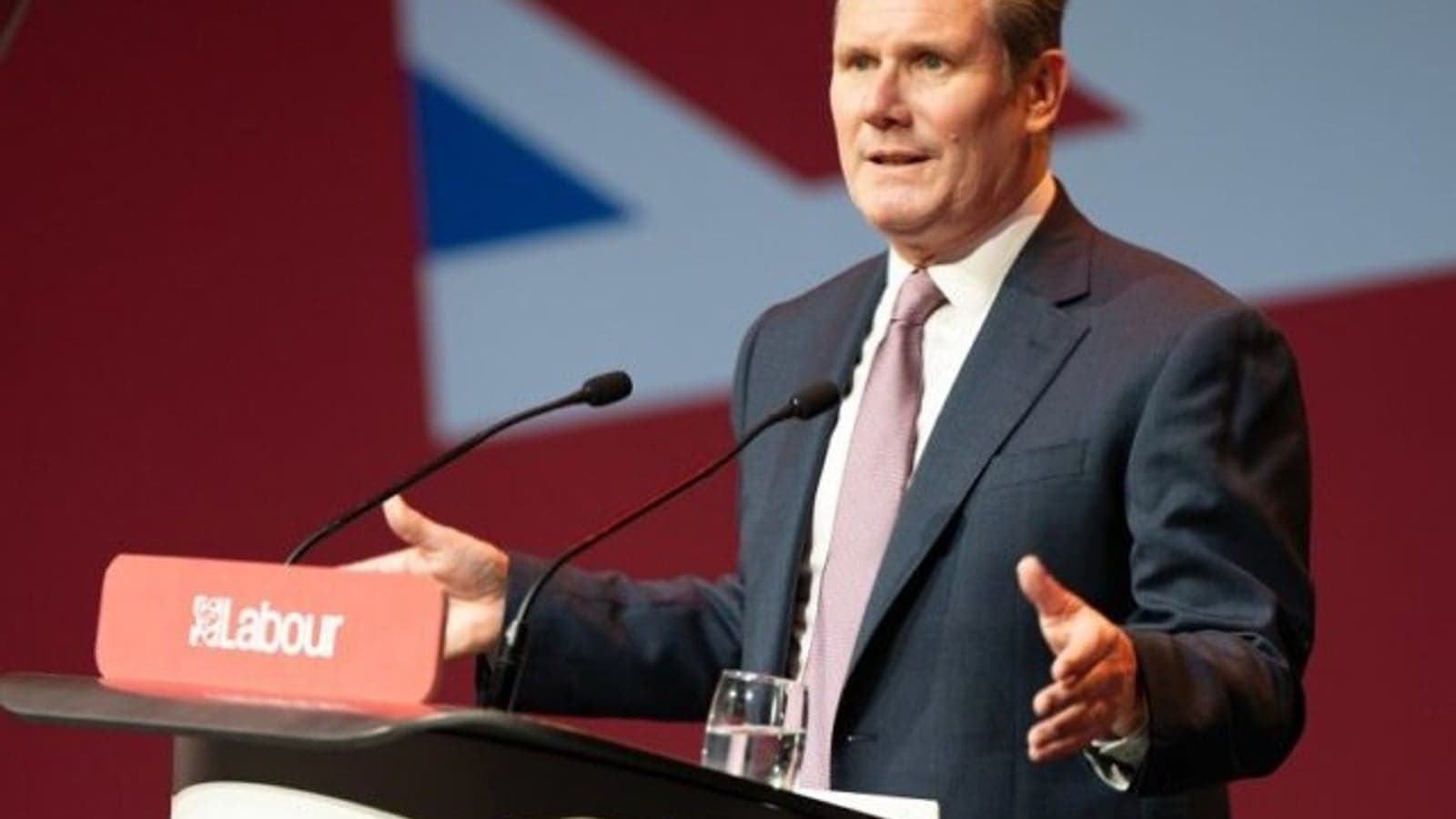
So how’s he feeling after 12 months in the job? “I'm pretty knackered - it's been quite a year,” he told an audience at the Reset Connect conference, part of London Climate Action Week.
More from London Climate Action Week
Octopus and DTEK launch landmark Ukraine renewables programme
“It has been a tough period. Temperature records continue to be broken: that is not going to change. Extreme weather is becoming the norm: that is not going to change. And amidst all of that, there is this political turbulence around the politics of climate and net zero.
“If you read certain newspapers, you might think that we're losing the argument. I want to offer you a correction: I don't think we are.”
When he says ‘we’, Stark is not talking nationally, but globally, and he feels strongly that a global view is needed for the energy transition.
Electro states taking climate action
“If you look beyond the West, you will see remarkable things are happening around the world on the energy transition.
“I think we spent too long talking about the ‘petro states’. Something new is emerging, and that's the ‘electro states’ that we're seeing around the world.
“These are the countries, especially in Asia, that are building clean, electrified economies. They're investing in abundant, low cost, electricity production from renewables to power their transport, heating, cooling, industries, to reduce their dependence from global energy markets and fossil fuels. And they're doing it fast: very fast. Much faster than many of us have noticed.”
And Stark added that these countries “are not doing it for reasons of virtue: I think they're doing it for reasons of self-interest. It's about their resilience to world affairs. And we need to do the same. We need to keep our eye on what's happening in other parts of the world, because the same case applies here.
The UK, Stark said, “should also want to be one of those electro states. That is where the world is heading. Despite all the noise, the energy transition globally is accelerating, not stalling. And we don’t want to miss it.”
Exclusive content on the UK energy transition
Why the UK power sector needs more female leaders
The smart science behind the UK’s green energy revolution
Maximising hydroelectric profitability with the UK’s Capacity Market
As Stark’s job brief is to be the man-with-the-plan, what’s his plan? Stark said the government has “not wasted a single day since July last year”.
Turning on the taps
“We need massive investment in networks and massive investment in clean generation. We need new technologies on the system to store that clean power. We need to be able to flexibly produce and consume that clean power in line with a power system that is increasingly dominated by renewables.”
And he said all of those things could only happen “if we turn on the taps on all of them as quickly as possible”.
The result is the UK now has national goals for wind, solar, storage and the grid and a roadmap to deliver in the next five years.
Latest UK news
Fusion and fission central to UK’s clean energy industrial strategy
UK launches Marine Energy Taskforce to unlock tidal and wave power
Octopus Energy and China’s BYD release V2G bundle in the UK
What could derail that plan is what has stalled clean energy projects across Europe in the past decade: slow permitting. Stark is alive to this threat.
“What drives costs is delay. We are ruthlessly focussed on making sure that doesn't happen.”
Energy transition's 'secret sauce'
And he said the “secret sauce” to making the energy transition happen “is genuine radicalism: real radical reform to the queue of projects waiting to connect it to the grid in this country”.
That queue, at present, is far too long and has grown tenfold in just the last five years, he said. “That's what's hampering new generation and storage from joining the grid. That is also what's hampering new demand connections from joining the grid too.”
Stark said he has taken those national goals on wind, solar etc and “turned them into regional goals for the key technologies that we need for 2030. And we are using those goals in each part of the country to reorder the queue projects waiting to connect.”
This will mean, he said, that from the end of 2025 “we will have developers across the country who are best placed to deliver these strategic goals at the front of the queue”.
'Genuine radicalism'
“By the end of this year, we'll be able to offer new connection agreements to all of the critical projects that we think we will need for 2030. That is genuine radicalism. I'm not aware of any other country in the world that's attacking it with the way that we are going at that right now. It's going to open a flood of clean power projects right across Britain.”
And if there’s going to be a flood, you need to make sure you’re going to swim, not sink, and Stark is – well, pretty stark – about the size of the flood.
“Demand is coming. Electricity use as we speak today, is relatively flat in the country, but it will surge after 2030. This is not a reckless sprint, we're preparing: it's a strategic warm-up for a much bigger race that can happen after 2030, when the power demand in this country might even double.”
What that flood will cause to float to the surface, says Stark, is money. “It unlocks investment at a scale that is genuinely staggering. If we see the clean power system that we've laid out and achieve those goals, that would be 200 billion pounds of capital and private investment across this country in generation and grids. That's a once-in-a-generation programme. It's a major national investment moment to pull that off, and it is a critical part of infrastructure.”
Stark had one final point. “None of this works unless it works for the consumer: for people and for businesses in this country. This power system we are building will have cheap, clean, reliable electricity in abundance for everyone.
“Our argument is that we can reach a better consumer outcome while also investing at scale in this power system. Every new wind or solar farm that we bring onto the system is displacing gas. Over time, as renewables start to dominate, we're going to see the wholesale price for power will fall. Gas will not be setting the price 90% of the time as it does now.
And he closed his speech by returning to those ‘electro states’, who he reiterated are “moving incredibly quickly, faster than us, frankly. We want to lead this next phase of the global energy transition, not follow it.”