The critical role of weather data in power generation
Guest/partner contributor
Posted on: 14 August 2023
The variability of weather and climate presents challenges for engineers| this article will examine how meteorologists can help them enjoy the sunshine.
“If you want to see the sunshine, you have to weather the storm.” - Frank Lane
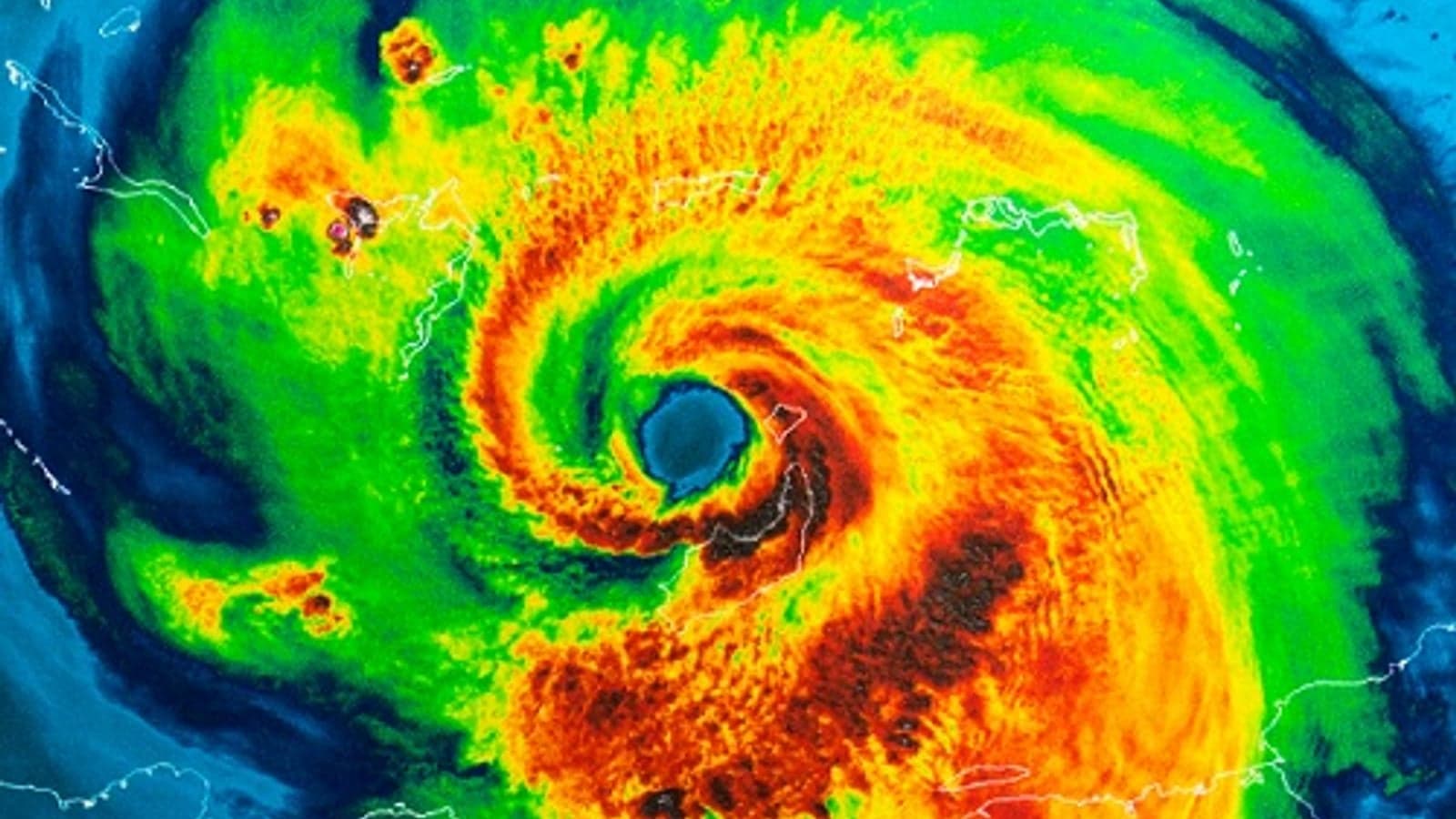
There is barely an energy source that is not affected by the weather. The omnipresent, variable, often banal, yet notoriously dramatic force of nature has such an influence on almost every aspect of the generation of our energy.
The natural variability of our weather and climate presents challenges for engineers, this article will examine how meteorologists can help them enjoy the sunshine.
Climate
Today, climate related challenges arrive from the gradual changes that we are experiencing through climate change, as well as the more extreme short term weather phenomena.
Climate has an effect on both the traditional energy generation sources, as well as the renewables and distribution grids. The warmer average temperatures brought on by climate change affects thermal power plants such as natural gas, oil and nuclear by reducing their thermal efficiency through the higher average temperatures of the cooling water sourced from rivers and lakes.
Although there are alternative cooling technologies available, many, such as dry cooling are more expensive.
Weather
Both renewable and non-renewable energy sources can be vulnerable to the effects of weather.
Tankers supplying petrol stations can be affected by adverse weather conditions on our highways and byways, and power lines are susceptible to high winds and storm conditions. With an aging infrastructure, weather related outages are becoming more frequent around the world.
In a study, it was found that there was a 67% increase in weather-related power outages since 2000 in the United States.
Ironically, solar installations are also adversely affected by higher temperatures, reducing the overall efficiency of PV cells. Wind turbines can also be damaged when wind speeds exceed their design tolerances. Even during relatively mild weather, sudden drops in wind speed or increases in cloud cover can affect the overall power generated by many renewable sources.
In the UK, Boxing Day of 2020 experienced wind speeds sufficient to generate more than half of the UK’s daily electricity using wind turbines alone. During the following week, however, wind speeds reduced, but sub-zero temperatures and snow engulfed the country, putting unprecedented demands on the grid. With many people being at home due to a new national lockdown, demand for heating and electricity rose just as the conditions for generating renewable energy reduced.
Have you read?
Why emerging markets are more alive to fire risks in renewable projects
Modelling weather impacts for the renewable energy transition
Weather data adds value to US solar and storage projects
Smart Grids
Smart grids have been developed as a result of the resilience issues surrounding the traditional power distribution grid system. The flow of power is constantly monitored around the grid, with interconnected monitors that allow the supply and demand to be constantly measured, along with the individual consumption levels of homes and businesses.
When legislation and power contracts permit, the cost of the energy can be varied, allowing consumers to make decisions as to their own individual usage, and relieving stress on the grid.
Renewable energy producers, such as those small scale wind and solar installations, can decide between either using their own power source or selling their energy back to the grid.
Overcoming grid interconnect obstacles to deploy renewable energy
A key element of smart grid technology is the ability to store excess energy, and release that power back into the grid when needed. This helps build a natural resilience to the grid, as well as avoiding the waste of excess energy that has limited demand.
Energy would be routed around the grid to maintain optimal efficiency, and flexibility. Grid storage also has the effect of decentralizing power sources, helping rural communities maintain their supply when power lines are damaged.
An intrinsic element of the smart grid ethos is predicting energy supply. With renewable energy being far more weather dependent than fossil and nuclear energy, understanding both the historical weather conditions for a particular location, along with the forecast weather conditions can help pre-empt any power supply issues, vary energy costs when allowed, and alert maintenance organizations as to the likelihood of possible infrastructure damage.
Climate change and energy
As global temperatures rise, the pattern of our use of energy changes.
A study has shown that if global temperatures continue to increase at their current rates, the requirement for energy used for cooling is thought to increase by about 5-20%, while the demand for energy used for heating is expected to decrease by about 3-15%. With this overall increase in energy requirements, the carbon emissions produced by energy generation would become increasingly important.
The use of renewable energy sources is steadily increasing, partially offsetting the carbon emissions of fossil fuels, and reducing the impact of climate change. Hydropower has the largest share globally (16%), followed by wind energy (4%) and solar photovoltaic (1%). All other renewable sources contributed about 3%.
The increasing frequency and intensity of heat waves are likely to place further pressure on the water supply for the cooling of power plants, through reduced precipitation and increased evaporation.
UK failing to meet net zero commitments says Climate Change Committee
Conversely, increased rainfall in certain areas of the world is likely to affect hydroelectric power, with dam managers needing to divert water away from their turbines to avoid flooding of the land below.
Run-of-river hydroelectric plants have little or no storage dams, meaning that they have lower construction costs, and take less time to return their investment. However, they are sensitive to varying weather conditions and river flows, and are often required to consider the overall ecology of their area, making them an intermittent energy source.
The agricultural nature of the biomass industry is also susceptible to climate change, the lack of a reliable source of water, prolonged dry spells as well as flash flooding.
The importance of weather data
Having detailed and accurate forecast weather data is becoming increasingly important for all aspects of energy production.
With the advent of new, clean and low carbon energy sources, understanding likely energy level dips and peaks can help producers of all sizes manage their installations, as well as the overall energy distribution and storage.
Safety is always of the utmost importance, having weather alerts can help mitigate against floods, storms and any seemingly unseasonal weather events.
Also of interest
EDF uses analytics platform to boost Israel solar farm performance
Space data on coal power plants monitored in energy transition pitch
Historic data is also vital when it comes to planning new installations, and predicting the likely energy that can be produced by a particular technology. Not just solar and wind, but other emerging energy sources such as biofuel rely heavily on the weather, and understanding seasonal trends, combined with AI technology can give investors confidence when planning new installations.
Combining a deep knowledge of weather forecasting and data, with the technical specifications of solar cells can give a highly accurate understanding of the return on investment of a particular solar installation, for any location in the world. This takes the guesswork and much of the risk out of renewable energy.
OpenWeather believes that weather data should be available to all, and to promote the understanding of climatology and data science, and have made their data freely available for use in a number of data science and educational initiatives.
They do their utmost to enthuse fledgling developers and meteorologists of the future by ensuring that their data solutions are fairly available to all.
Engineers have always relished the opportunity to weather any storm. With the increasing accuracy, detail and subtlety of weather data, they are now even more equipped to give us all a sunnier future.