COP28's UAE Consensus marks the end for fossil fuels
Pamela Largue
Posted on: 13 December 2023
The COP28 climate conference has concluded with a landmark text| The UAE Consensus| that sets out a plan to end fossil fuels.
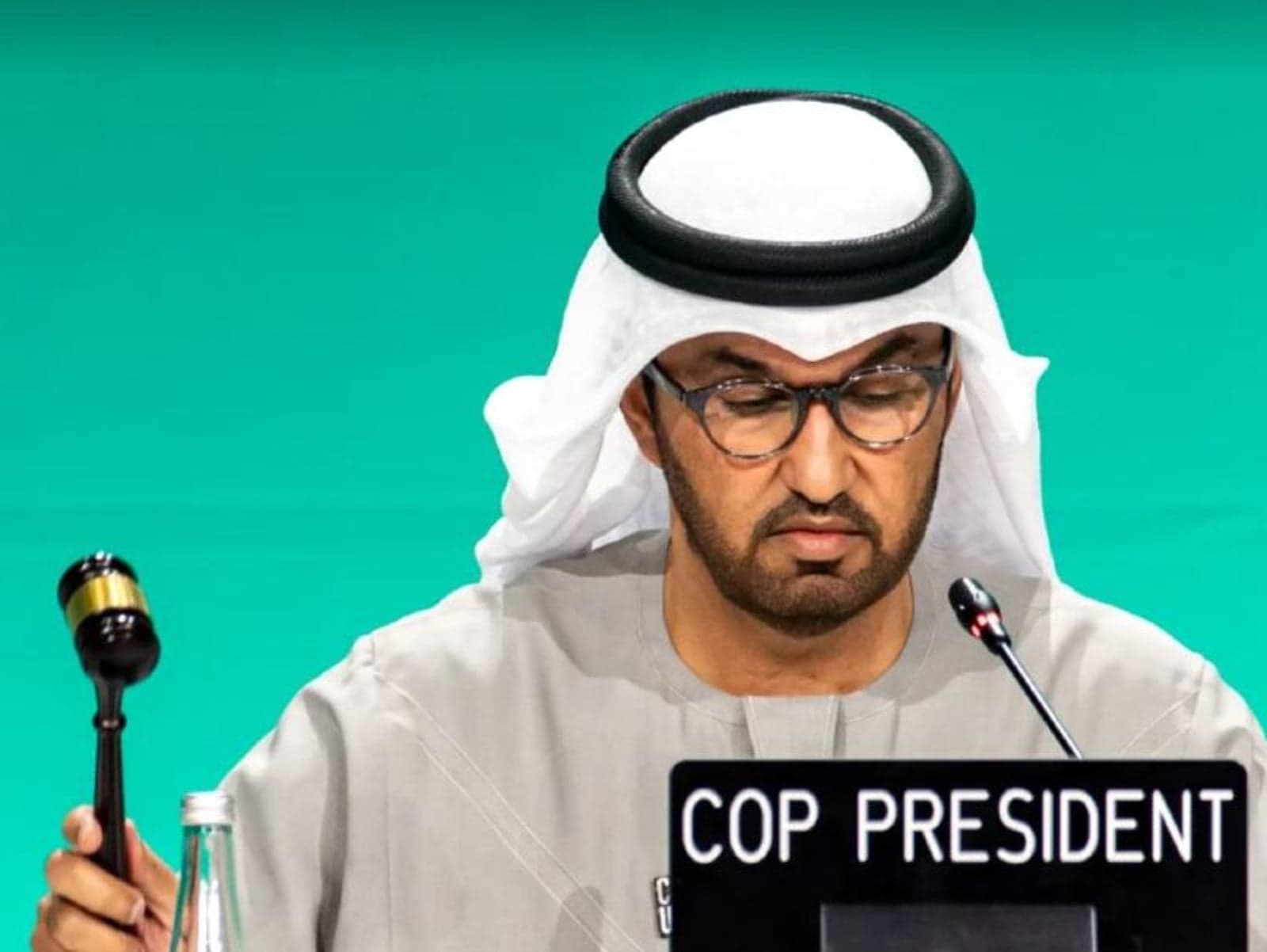
The COP28 climate conference has concluded with a landmark text, The UAE Consensus, that sets out an ambitious climate agenda with an "unprecedented reference to transition away from all fossil fuels".
The text not only calls on parties to transition away from fossil fuels, but also to submit economy-wide Nationally Determined Contributions (NDCs), triple renewables and double energy efficiency by 2030.
COP28 President, Dr. Sultan Al Jaber commented during his closing speech, “We have worked very hard to secure a better future for our people and our planet. We should be proud of our historic achievement.”
Added Dr. Al Jaber, “It is built on common ground. It is strengthened by inclusivity and it is reinforced by collaboration."
Major commitments contained in the final negotiated text include:
- An unprecedented reference to transitioning away from all fossil fuels to enable the world to reach net zero by 2050.
- A significant step forward in the expectations for the next round of NDCs by encouraging “economy-wide emission reduction targets.”
- Building momentum behind the financial architecture reform agenda, recognising the role of credit rating agencies for the first time, and calling for a scale up of concessional and grant finance.
- A new, specific target to triple renewables and double energy efficiency by 2030.
- Recognising the need to significantly scale up adaptation finance beyond the doubling to meet urgent and evolving needs.
Besides the negotiated text, additional Major Action Agenda achievements were also concluded, such as the Global Decarbonisation Accelerator – a series of landmark energy initiatives across the public and private sectors to speed up the energy transition including:
- The Global Renewables and Energy Efficiency Pledge to triple worldwide installed renewable energy generation capacity to at least 11,000GW and to double the global average annual rate of energy efficiency improvements to more than 4% by 2030. It has been endorsed by 132 countries.
- The Oil and Gas Decarbonisation Charter (OGDC), which commits signatories to zero methane emissions and ending routine flaring by 2030, and to net-zero operations by 2050 at the latest. To date, 52 companies, representing over 40% of global oil production have signed up to it.
The COP28 Presidency now plans to implement mechanisms to track progress against implementation. Already, the Presidency has signed an agreement with Brazil, the host country of COP30, to boost collaboration and increase climate ambitions.
Have you read?
Global Initiative for nature, grids, and renewables launched
Countries recognise the power of nuclear at COP28
Iberdrola and Masdar ink €15bn hydrogen and offshore wind alliance
Industry reaction
During COP28, many countries, scientists and civil society groups called for a more robust commitment to phase out fossil fuels.
However, in what some suggest as a weak attempt at fossil phase out, countries have agreed to contribute to global efforts to transition away from fossil fuels “in a just, orderly and equitable manner, accelerating action in this critical decade, so as to achieve net zero by 2050 in keeping with the science”.
“Whilst we didn’t turn the page on the fossil fuel era in Dubai, this outcome is the beginning of the end,” said UN Climate Change Executive Secretary Simon Stiell in his closing speech. “Now all governments and businesses need to turn these pledges into real-economy outcomes, without delay.”
Ignacio Galán, Executive Chairman of Iberdrola, called the Dubai talks “COP for action” and added that "the presidency should be congratulated for helping to broker a positive outcome".
"To agree to transition away from fossil fuels at the same time as agreeing to triple renewables by 2030 is a pivotal moment in the fight against the climate crisis."
He said that for power networks, "the hard work to deliver starts today. It means mobilizing huge investments in renewables, as well as grids and storage, the other two critical legs of a stable energy transition".
And he added that governments "must also swiftly address the barriers that have been present in the past, such as permitting delays and ensuring stable, positive frameworks for investments”.
Máté Heisz, director of Global Affairs at SolarPower Europe said: “What a momentous day. World leaders have committed to tripling our renewable energy capacity by 2030 and acknowledged that renewable energy will be crucial to tackling the climate crisis.
"The specific inclusion of solar, wind and storage for the first time signifies the critical role renewables must play in delivering a clean and just energy transition this decade. However, we’ve still missed an opportunity to phase out fossil fuels. The final outcome text falls short on coal and fossil fuel subsidies. It is also disappointing to see the recognition of the role for so-called ‘transitional fuels’ like natural gas – research shows that gas is not transitional. While a significant win for the renewable energy sector, we now need to follow this up with urgent action.”
In a tweet, Al Gore stated: "The decision at #COP28 to finally recognise that the climate crisis is, at its heart, a fossil fuel crisis is an important milestone. But it is also the bare minimum we need and is long overdue. The influence of petrostates is still evident in the half measures and loopholes included in the final agreement. Fossil fuel interests went all out to control the outcome, but the passionate work of millions of climate activists around the world inspired and motivated delegates from many nations to loosen the industry’s grip. Whether this is a turning point that truly marks the beginning of the end of the fossil fuel era depends on the actions that come next and the mobilisation of finance required to achieve them."
And, in a nod to nuclear, the COP28 Global Stocktake included nuclear power as a solution to achieving deep decarbonisation, a decision which was praised by International Atomic Energy Agency director general Rafael Grossi, who tweeted: "Onwards to scaling up this clean and reliable technology!"