Crete Valley brings power to the people on Greek island
Guest/partner contributor
Posted on: 19 January 2026
Crete Valley is one of two EU-funded projects currently developing Europe’s first renewable energy valleys.
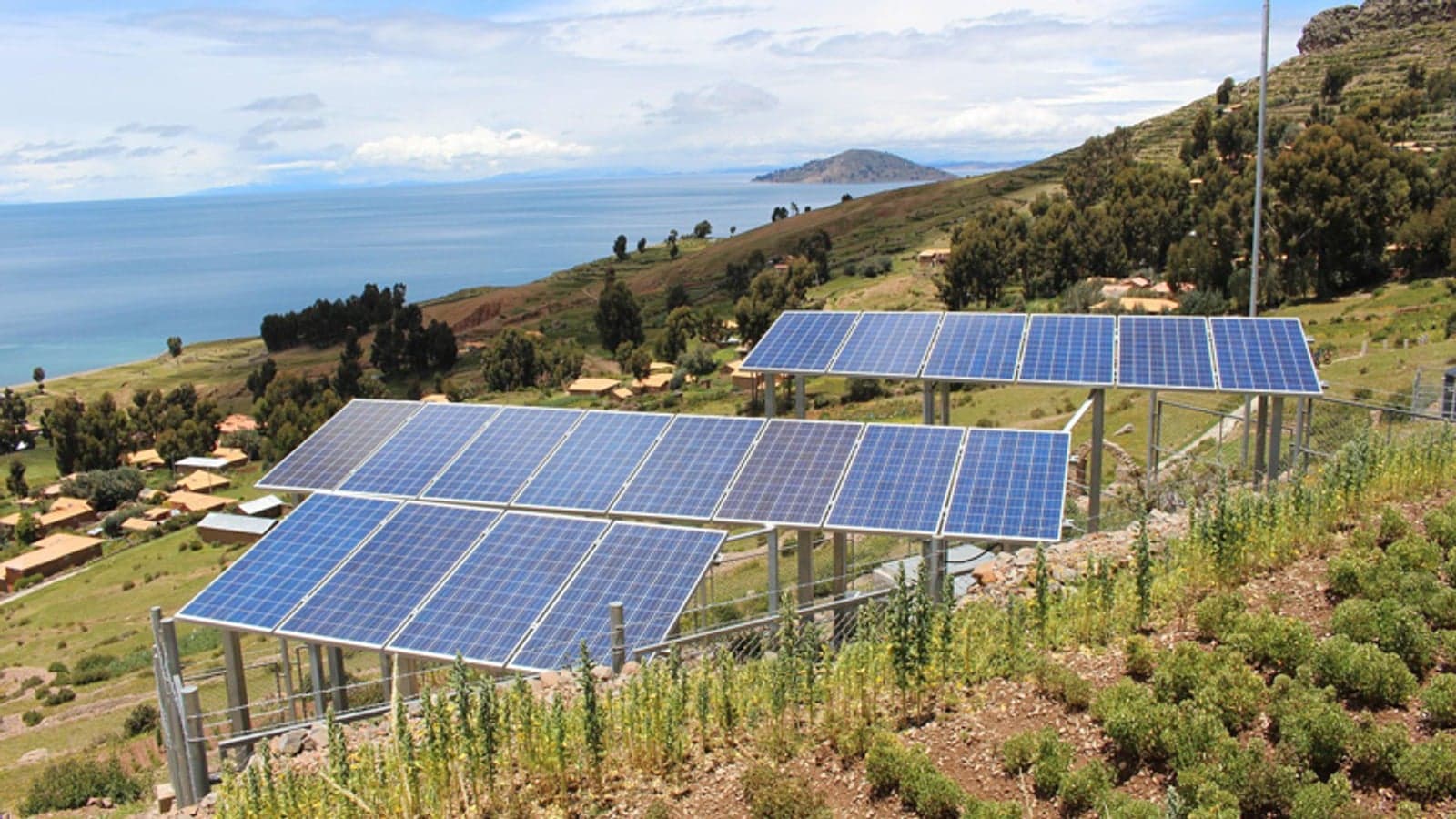
Renewable energy valleys are conceived as decentralised clean energy systems that strengthen local self-sufficiency, boost security and help stabilise costs in a given region.
Crete Valley, located on the Greek island of Crete, is centred around four community energy labs, where renewable energy solutions are informed by concrete input from local stakeholders. The aim is to enhance local value while fostering citizen engagement and democratic participation in the energy transition.
In the Crete Valley project, the four community energy labs are created and run by the communities in which the energy solutions are deployed. These communities are multifaceted: they oversee energy production, but also are portals into understanding local needs and designing tailored systems.
The REV lab provides an overarching organisational structure to the four lab sites and links stakeholders across different sectors both within the labs and also at regional, national, and European levels. This two-tier structure is meant to help overcome persistent barriers that have impeded the rollout of lasting community energy initiatives.
Indeed, European and international energy policies highlight the importance of social inclusion and public participation that can address barriers emerging from the social changes heralded by energy transition. Transition models like renewable energy valleys therefore need to blend technical innovation with a strong social dimension. Concepts such as energy democracy, energy justice and social innovation help tackle transition challenges by incorporating context-rooted decision-making and active community involvement.
Community energy challenges
The following key challenges related to stakeholder engagement commonly arise in community energy projects like Crete Valley:
1. Enabling institutional and organisational structures
Community energy projects operate within regulatory frameworks that have historically favoured bigger players. Broad stakeholder involvement is not the standard and institutional adaptation to integrate actors like local authorities, businesses and citizen groups can create new and impactful roles. A lack of knowledge about energy systems among new stakeholders can also slow collaboration.
To create a supportive institutional environment and effective partnerships, Crete Valley adopts the following actions:
- Engage in the co-design of a common vision for the renewable energy valley (REV) lab with a variety of stakeholders.
- Identify ‘opinion leaders’ in the communities to build social and relational capital.
- Host thematic sessions at the REV lab dedicated to different topics such as energy vulnerability and inclusion.
2. Local embeddedness
Local, decentralised energy projects are an alternative to large-scale developments, which frequently encounter pushback because they don’t adequately account for local identity and attachments to cultural heritage. The opposition cannot be reduced to nimbyism, but rather indicates a desire to defend against seemingly extractive projects devoid of benefits to local communities.
In settings like Greece, where developments have typically not been community-driven, trust and credibility are a barrier. Crete Valley seeks to ease this by:
- Identifying specificities to ensure the local anchoring of the community energy labs;
- Holding participatory mapping walks to understand people’s sense of place, identify and build from locally relevant stories;
- Planning events and activities designed to engage less visible groups.
3. Equality and inclusivity
Inequities related to energy access or affordability can continue in both carbon-based and low carbon systems, especially burdening vulnerable groups. Community energy projects can mitigate these problems, but they may be exclusionary to those without the time, knowledge or financial resources to participate, thus diminishing the benefits they could derive.
Furthermore, community energy projects propelled by top-down incentives and a technical focus, cannot necessarily deliver on social goals to democratise the energy system through local engagement and citizen engagement.
To maintain legitimacy, Crete Valley follows the following core principles in its engagement approach:
- Set up a multi-step approach that includes iterative stakeholder mapping and a continuous engagement strategy tailored to the needs of the different communities to ensure wide and fair participation.
- Devise through co-design a series of co-creation sessions and tailored events.
- Elaborate targeted activities and define a code of conduct to ensure inclusive processes.
By implementing these practices and demonstrating the value of community-centred renewables projects, Crete Valley is contributing to the European energy transition and making this island transformation a people powered example for the project’s follower communities and beyond.
Local and regional practitioners, energy managers, grassroots organisations and public authorities involved in energy planning, policy making and community-led initiatives can find detailed documentation of the Crete Valley renewable energy lab development process in the REV lab methodological handbook and in the enabling conditions framework.
Follow the project’s progress on the website.