Crete Valley: Inspiring the energy transition across Europe
Guest/partner contributor
Posted on: 16 February 2026
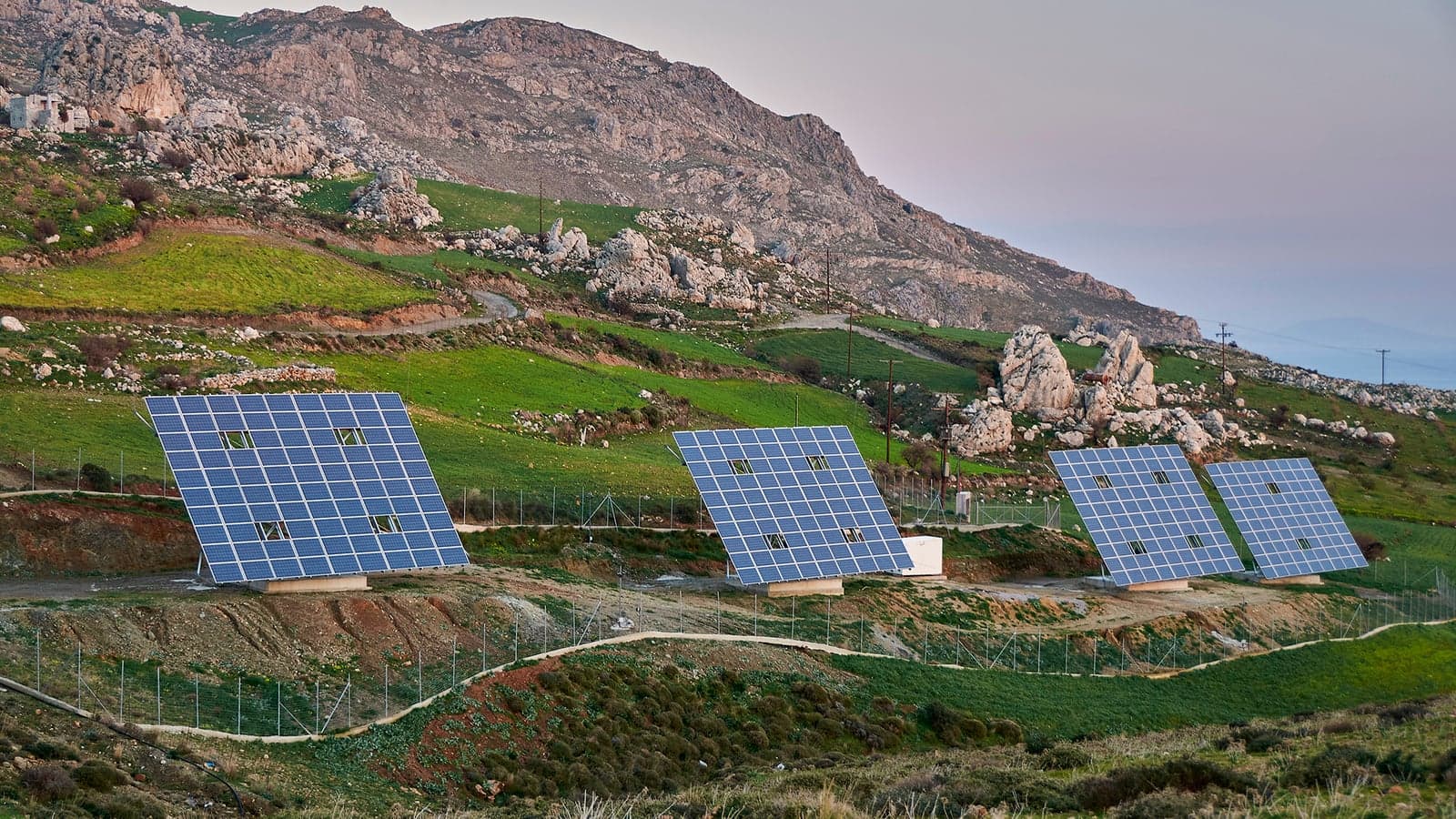
Crete Valley, creating a citizen-centric energy system on the Greek island of Crete, has four follower communities across Europe.
Crete Valley's impact is meant to extend further than the island itself; four sites across Europe are following the project’s progress in order to draw inspiration for their local energy transitions.
These follower communities have their unique energy contexts and are facing their own specific challenges.
Terni, Italy
Terni, located in southern Umbria, has a long standing industrial and energy-oriented identity shaped by its natural water resources and historical development. Half of the total annual energy consumption – 400GWh supplied by ASM Terni, the local DSO – comes from renewable sources.
A robust renewables base is particularly important for the local industrial sector like for AST, one of Italy’s major energy intensive steel producers. For such industries, access to reliable and competitively priced electricity is essential. The area is aiming to reduce energy costs for households and businesses, improve grid flexibility and support the broader deployment of energy efficiency and renewable energy projects.
Here, local energy communities also play a crucial role in fostering the local energy transition, sharing flexibility services with the local DSO (ASM Terni) and charge point operators (e.g. EMOTION).
Within the Crete Valley project, Terni’s FOL-COM plans to carry out an integrated set of activities aimed at strengthening the area’s energy autonomy, leveraging the expertise and infrastructures of ASM Terni and EMOTION.
With the contribution of the Crete Valley outcomes, advanced planning tools will be used to create synergies among the electricity grid, the water distribution network, e-mobility systems and emerging hydrogen-based mobility solutions, identifying retrofit actions and optimisation strategies aligned with the city’s energy transition goals.
A key component of this work will be the design of a smart electrolyser leveraging the CEL4 experience, enabling the progressive substitution of grey hydrogen with green hydrogen produced locally.
In parallel, citizen engagement initiatives will be promoted through the local renewable energy communities to raise awareness of the benefits of shared energy flexibility and to encourage new sharing-economy business models.
Dingle Peninsula, Ireland
The Dingle Peninsula, on Ireland’s Atlantic coast, is a rural region with a strong tourism and agricultural base, facing unique energy challenges due to its dispersed population, seasonal demand and reliance on imported fossil fuels.
Through the Sustainable Energy Community network, coordinated by SEAI (Sustainable Energy Authority of Ireland), Dingle Hub has been driving a community-led transition to clean energy, including solar PV installations across farms and hospitality businesses, energy monitoring systems and an emerging focus on mobility and storage solutions.
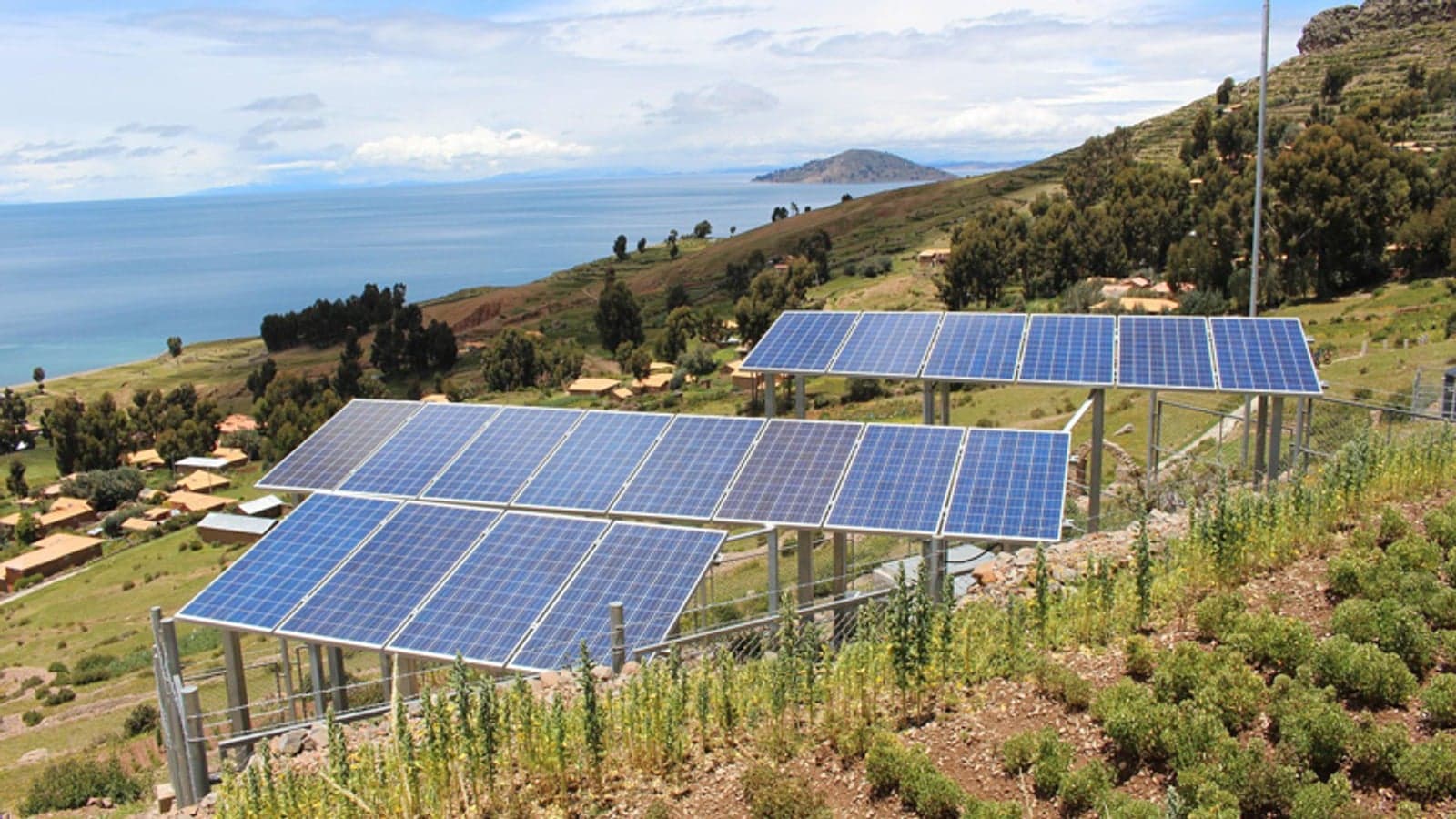
Within Crete Valley, Irish partners Dingle Hub and EPRI will focus on scaling solar PV deployment and exploring the potential for anaerobic digestion to valorise agricultural residues and organic waste. These technologies offer tangible pathways to reduce emissions and strengthen local energy resilience.
While energy sharing between sites is not currently permitted under Irish regulation, this may evolve during the project, opening opportunities for community-level flexibility and collaboration. Use cases span local flexibility (including agriculture) via scaled solar PV, data‑driven sufficiency to optimise and shift demand, and integrated electric transport with potential V2X aligned with local generation.
The aim is to adapt Crete Valley’s integrated approach – combining multi-energy systems and participatory governance – to demonstrate how rural regions can unite renewable generation, citizen engagement and innovative business models to accelerate the green transition for the benefit of residents and visitors alike.
Graciosa, Portugal
Graciosa is a Portuguese island part of the Azorean Archipelago located in the north Atlantic Ocean about 1,600km from mainland Portugal. The island relies mostly on agriculture and fishing as the main sectors of its fragile economy with summer seasonal tourism still representing a small niche.
Graciólica is a local independent power producer which developed and installed a renewable hybrid power plant on the island in 2019, consisting of a 4.5MW wind farm, 1 MWPV and 4.7MW/3.2MWh BESS.
The plant has been supplying 60% of the yearly demand. The significant renewable capacity has also enabled the local government to create incentives programmes for residents aiming to electrify various household loads and thus reduce the use of LPG and cut further emissions.
Within Crete Valley, Graciólica and its partners Capwatt and XKW are focusing on reassessing the optimal sizing of the hybrid plant from both a technical and financial perspective, given the increasing demand and the fast moving technology breakthroughs.
Energy opportunities have been explored and identified on the island such as potential flexible loads that could fit into demand side management strategies and thereby reducing the existing renewables curtailment by shifting these loads to periods of increasing availability.
The production of biogas or other renewable fuels is also under evaluation as it represents an opportunity to valorise agricultural residues and organic waste as well as to promote a local circular economy while reducing overall emissions.
Winter tourism area, France
The replication territory in France is representative of most winter tourism focused valleys in the Alps and Pyrenees in the French context. With its medium sized ski resort, it faces the challenge of climate change and the need to rethink its industrial and energy strategy.
For the first, it must transition from a 'winter only' towards a 'four seasons offer' for tourist activities. For the second, it strives for a low carbon lifestyle, moving away from fossil fuels, sourcing local renewable energies (i.e. vRES or bio-sourced) while integrating new energy uses (electrification and e-mobility).
The boundary conditions are dictated by its natural resources and landscape, which have to deal with the protection and valorisation of its agro-forestry activities and heritage, while the overall economic activity has to be diversified. However, the remote and often isolated location of such territories, makes accessibility to services and solutions difficult and more costly than in urban areas.
Whilst different solutions have emerged and become best practices for these territories, most face the same specific challenge of an ageing built environment, with outdated energy efficiency standards. The main obstacle to a large-scale renovation is that most buildings are housing cooperatives and largely secondary homes. The animation of such local communities, split between permanent and temporary inhabitants, is a major challenge.
In this regard, EDF (Direction Commerce Régionale Méditerranée) together with the partnering territory, has set out following main priorities aiming at paving the way towards the 'mountain cluster of tomorrow':
- Identify major renewables and low carbon technologies to decarbonise winter sport infrastructure and related services;
- Analyse and standardise possible energy efficiency, low carbon and electrification measures for a renovation of the existing building stock;
- Identify the capacity of a digital twin to harmonise data and achieve better performance for the exploitation of the territory;
- Bundle all such solutions and bring them closer to the local communities and tourists alike via different channels.
With these diverse follower communities, Crete Valley’s approaches will take on a new life and serve to create change in new geographies.