Dam collapse no 'immediate risk' to Zaporizhzhia nuclear plant in Ukraine - IAEA
Pamela Largue
Posted on: 6 June 2023
The IAEA has stated that there is "no immediate risk" to the safety of the Zaporizhzhia nuclear power plant (ZNNP) after damage to the Nova Kakhovka dam was reported.
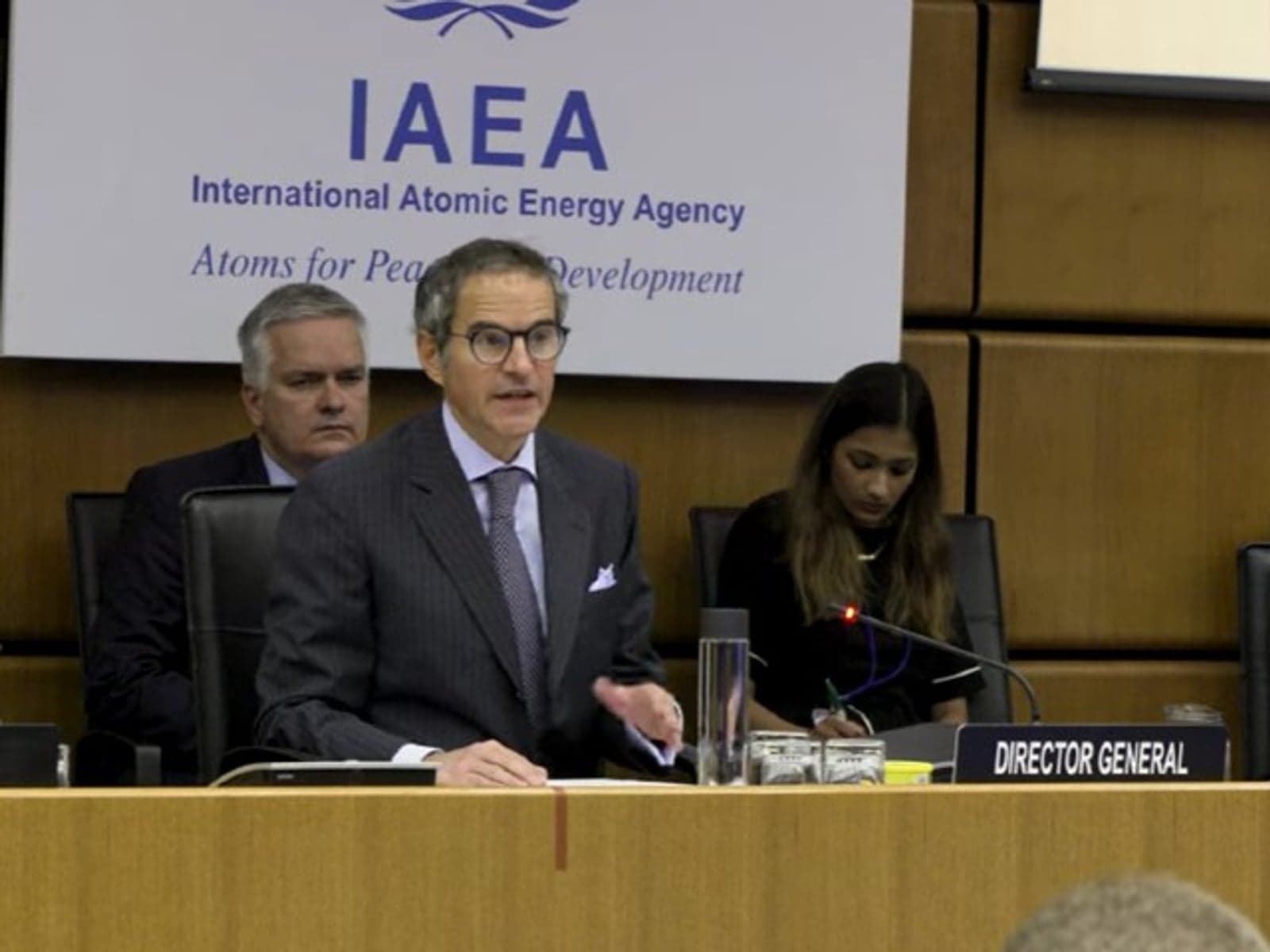
The International Atomic Energy Agency has stated that there is "no immediate risk" to the safety of the Zaporizhzhia nuclear power plant (ZNNP) after damage to the Nova Kakhovka dam was reported.
The Nova Kakhovka dam, the site of the Kakhovka Hydroelectric Power Plant, is situated in Ukraine's Kherson region, currently under Russian occupation.
While it is unclear who is responsible for the damage to the dam - Ukraine and NATO are blaming Russia, but Russia is blaming Ukraine - water is reportedly flowing out of the dam, sparking evacuation orders and fears the loss of water could impact the nearby ZNNP.
According to the IAEA, the dam water is required for the essential cooling water system which provides cooling for residual heat removal from the reactors; residual heat removal from the spent fuel ponds; and cooling of the emergency diesel generators when they are running.
The absence of cooling water for an extended period of time "would cause fuel melt and inoperability of the emergency diesel generators," said IAEA director general Rafael Grossi.
"However, our current assessment is that there is no immediate risk to the safety of the plant".
Have you read?
Ukraine windfarm is ‘signal of resistance’ and hope for a green future
Webuild signs contract for new hydropower facilities in Ukraine
According to IAEA staff on site, the Nova Kakhovka dam is currently leading to about 5 cm/hour reduction in the height of the reservoir. Water in the reservoir was at around 16.4m at 8AM on 6 June however if it drops below 12.7m then it can no longer be pumped.
Added Grossi: "ZNPP is making all efforts to pump as much water into its cooling channels and related systems as possible. In addition, non-essential consumers of water are being stopped at ZNPP to reduce the consumption of water."
ZNPP management is considering what further steps need to be implemented and is considering alternative sources of water such as a nearby cooling pond.
Grossi is planning a trip to ZNPP next week which he suggests is now essential.