Fatih Birol slams Europe’s energy mistakes on eve of Poland's EU presidency
Kelvin Ross
Posted on: 11 December 2024
IEA chief says Europe faces unprecedented energy policy challenges and must make good on previous errors of judgment
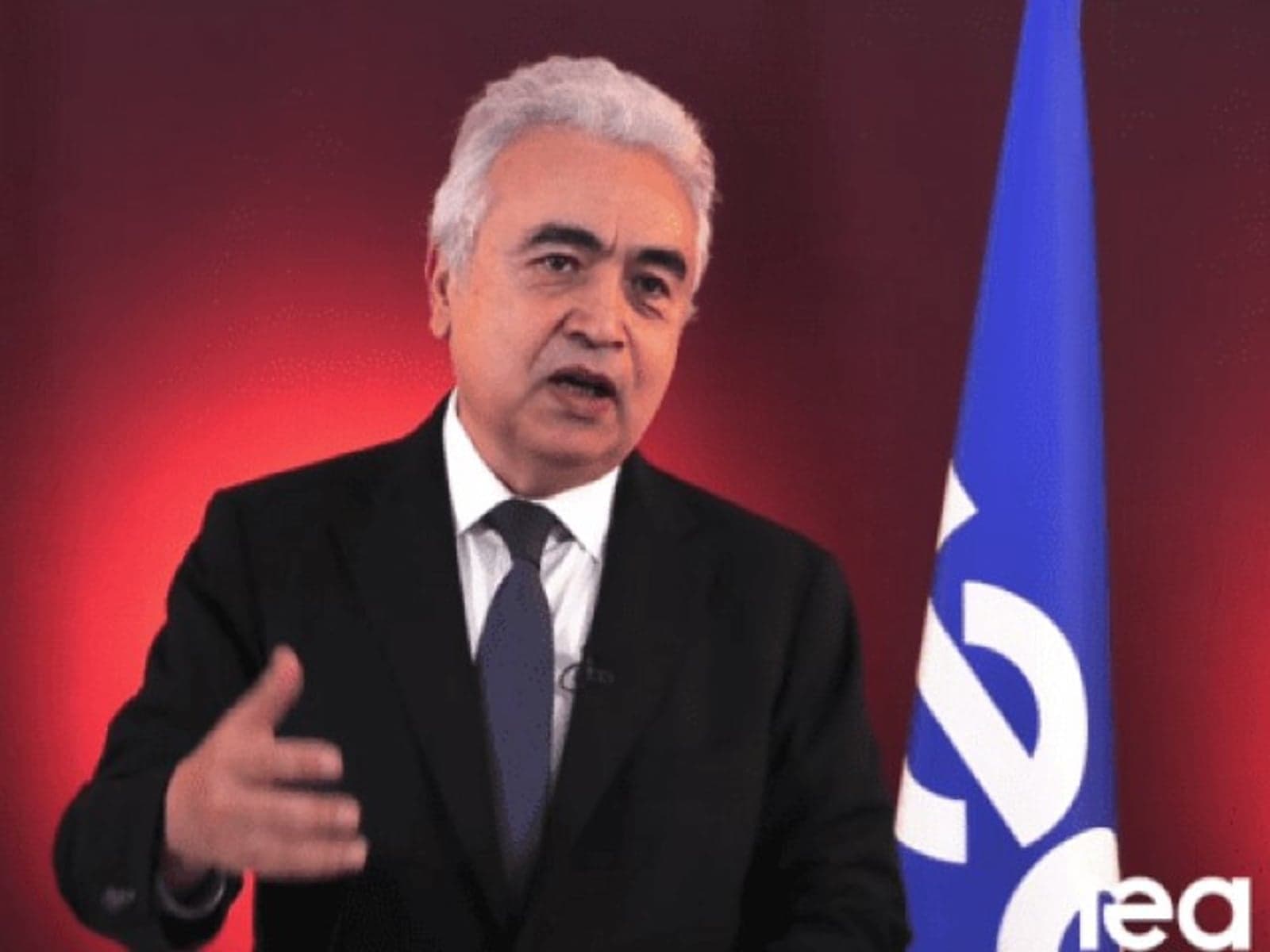
IEA chief says Europe faces unprecedented energy policy challenges and must make good on previous errors of judgment
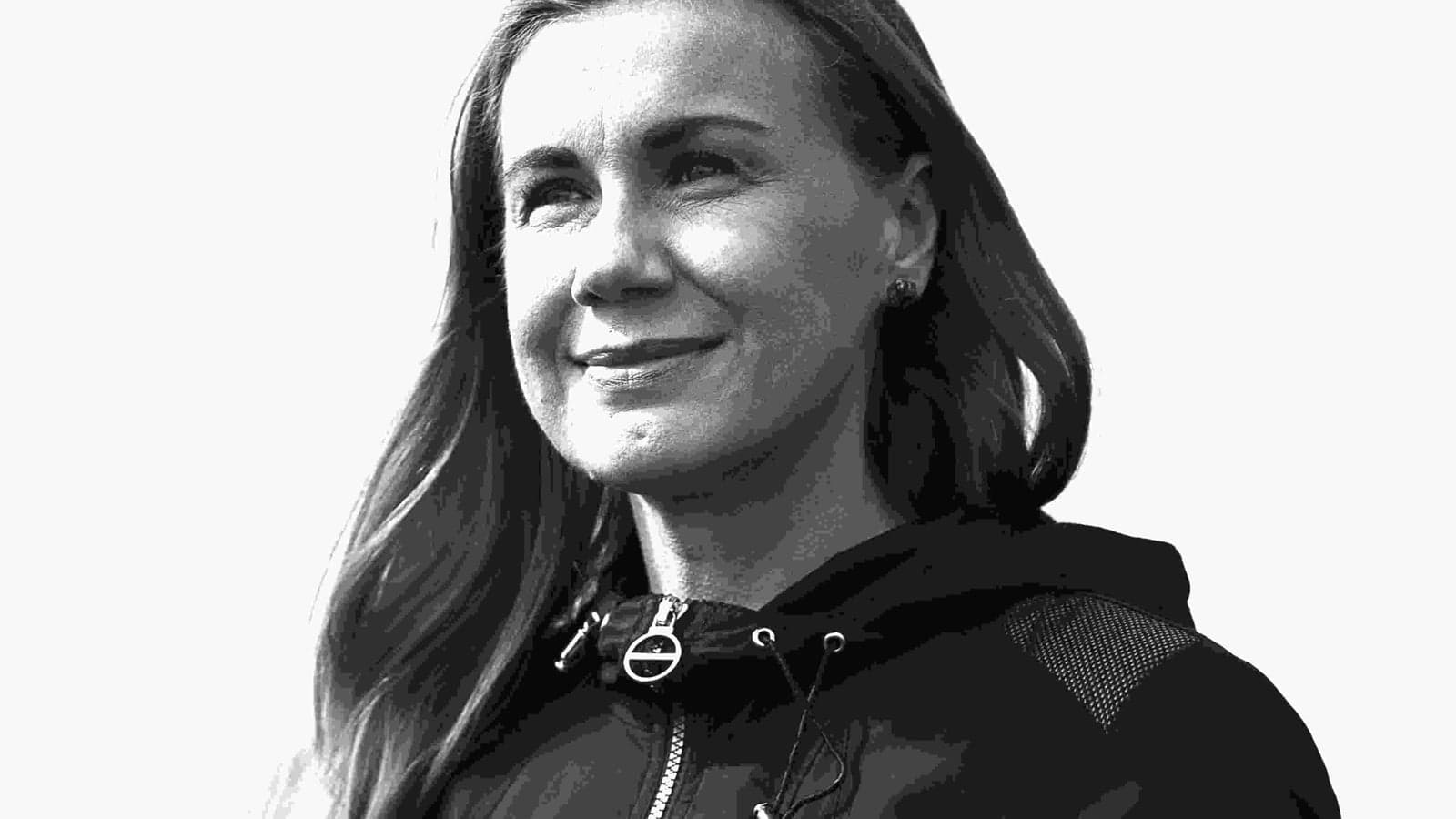
Fatih Birol was in no mood for bland assurances when he addressed leading European energy figures and Polish government ministers ahead of Poland's six-month presidency of the EU, writes Vic Wyman.
A combative Birol, the executive director of the International Energy Agency, told a conference in Brussels, Belgium that although Ukraine presented the world's most pressing energy security danger, Europe had major energy problems and was at a critical point in its energy policy.
He identified three big energy mistakes. The first was that Europe had relied too much on a single big source of energy — Russian gas. In the energy field you needed to diversify: "Europe didn't do it."
Birol, who was addressing a meeting of the Polish Electricity Association (PKEE) ahead of Poland's EU presidency starting in January, added that 20 years ago the IEA had warned Germany about its over-reliance on Russian gas.
Before Russia's invasion of Ukraine in 2022, Germany was importing about half of its gas from Russia and more than a third of its oil.
More from the IEA
IEA heralds ‘Age of Electricity’ and nuclear revival in World Energy Outlook
Global top clean tech market set to triple by 2035 says IEA
Birol named the second historical mistake as Europe's rejection of nuclear energy: "European [political] parties turned their back on nuclear power." From providing about 30% of European electricity 20 years ago, reactors now produced about half of that, he said.
Nuclear energy mis-step
Nuclear phase-out plans emerged about 25 years ago, but views have changed recently because of the war in Ukraine. Belgium, for example, has deferred the shutdown of its three oldest reactors by a decade from the planned 2025 date, citing the energy crisis and its net-zero targets.
Birol's third point was that although 60% of new power plants now being installed was solar, Europe had failed to stimulate a domestic solar panel industry… despite a promising start 20 years ago.
Yet Walburga Hemetsberger, chief executive of SolarPower Europe, the association of photovoltaic firms, said that much associated PV kit is made in Europe, including inverters — or pv's 'brains' — and panel support structures.
Giles Dickson, chief executive of the European wind energy association WindEurope, said there were 250 European factories making wind turbines and parts, with another 30 being developed thanks to the EU's green energy policies.
Companies were adding 20GW of turbine manufacturing capacity a year, said Dickson.
As a widely-respected energy expert, Birol's ideas matter. The head of the IEA, which works with governments and industry for a secure and sustainable energy future, was also happy to point to Europe's energy challenges.
A problem for industry was that energy prices were too high: five times higher than in the US and twice as high as in China."How are we going to compete?" asked Birol.
He also claimed that energy project approval was too slow: "Decision-making is not as fast as it should be." Companies often have to wait for years for approval to build power links, for example, which hinders the growth of distributed renewables.
WindEurope's Dickson also wanted more grids: "This is really where the EU electricity industry should be focusing its effort under the clean energy deal." He also called for the EU to put into effect its 2023 grid action plan: "It's a great plan: it needs to be implemented."
That plan called for a doubling of cross-border EU transmission infrastructure within seven years, to cut electricity costs by a projected €9bn a year until 2040. It said that, in this decade alone, grid investment of €584bn was needed, much of it in distribution voltages.
Emerging energy technologies
Birol also called on the EU to choose emerging energy technologies to back, in bets that they became major industrial sectors.
Yet he warned about legacy industries, which would disappear as a result of the energy transition to net-zero. He said that the EU could handle that, pointing to its advantages of a large population (about 450m in the EU and rising), the single EU market and the large technical resources of universities and skilled workers. Europe's response to covid and financial crises showed that legacy industries could be managed, said Birol.
Overall, he linked the need for a better effort by Europe on energy and security to the need for a better industrial strategy.
Yet the energy future in Europe remains unclear. Many governments have changed recently and the EU's executive arm, the European Commission, has a new set of 27 commissioners, who began work on 1 December 2024. The European Parliament was also only elected in June 2024.
Read now:
European energy policy ‘divorced from reality’ but CHP leaders stay upbeat
Even past initiatives, such as the EU's European Green Deal to address climate change and environmental harm, have been criticised for a lack of ambition. "The green deal was not much of a deal," lamented Radan Kanev, a European Parliament member and on the latter's environment committee.
Yet the energy sector has high hopes. "We are expecting clear rules," said Georgios Stassis, vice-president of the European electricity industry federation Eurelectric and chief executive of the Greek electricity firm PPC. And a future EU industry strategy should take account of consumers, he said: "We need to see consumers more involved."
SolarPower Europe's Hemetsberger said that as electricity from PV and wind turbines cost less than from fossil fuel plants, a bigger push on renewables was justified.
"We need to go faster," she said. "We really need to act very, very fast."
Exclusive interview with Walburga Hemetsberger
Along with more grid investment she wanted more energy storage, such as using batteries, to exploit renewables fully. The lack of storage is blocking a potential flood of renewables, according to Bruce Douglas, chief executive of the Global Renewables Alliance.
Finding funding
As ever, financing difficulties loomed large for Birol's audience, especially because of the initial high cost of renewables and storage. Dickson claimed that money was available, but investors needed to be sure of getting a return: "There's a lot capital out there that wants to invest in the energy transition."
His solutions included the use of two-sided auctions of contracts for difference (CfDs). A CfD between an electricity generator and a public entity sets a strike price, usually by tender.
In a two-way contract, if the generator sells its electricity below the strike price the public entity pays the difference. If the electricity is sold at above the strike price, the generator pays back the difference.
CfDs provide price support and encourage investment, thanks to stability and predictability of future revenue and have been behind the fast development of offshore wind in the UK, according to the Oxford Institute for Energy studies in the UK.
Dickson also wanted reform of energy taxation, which influences consumption and investment. European Commission figures show gas taxation in the EU ranging from €2/MWh for large industrial consumers to €15/MWh for households, compared with average electricity taxes of €28/MWh for larger industrial buyers and €80/MWh for homes.
The commission said that such differences and the many EU incentives for fossil fuels undermined energy and climate targets, as well as the EU's international commitments. But even an ambitious Polish presidency of the EU is unlikely to solve that, as it could require countries moving from majority voting to qualified majority voting.
Accepting the likely inability to dispense with fossil fuels completely Roman Szyszko, on the PKEE management board, would be happy for solutions that are "a little bit imperfect" but deliverable now.
This might generate a less-than-positive response from Fatih Birol.