Denmark's district heating to use surplus heat from carbon capture
Pamela Largue
Posted on: 2 February 2024
Ørsted |VEKS and CTR have agreed to use surplus heat from carbon capture at Avedøre Power Station for Copenhagen's district heating system.
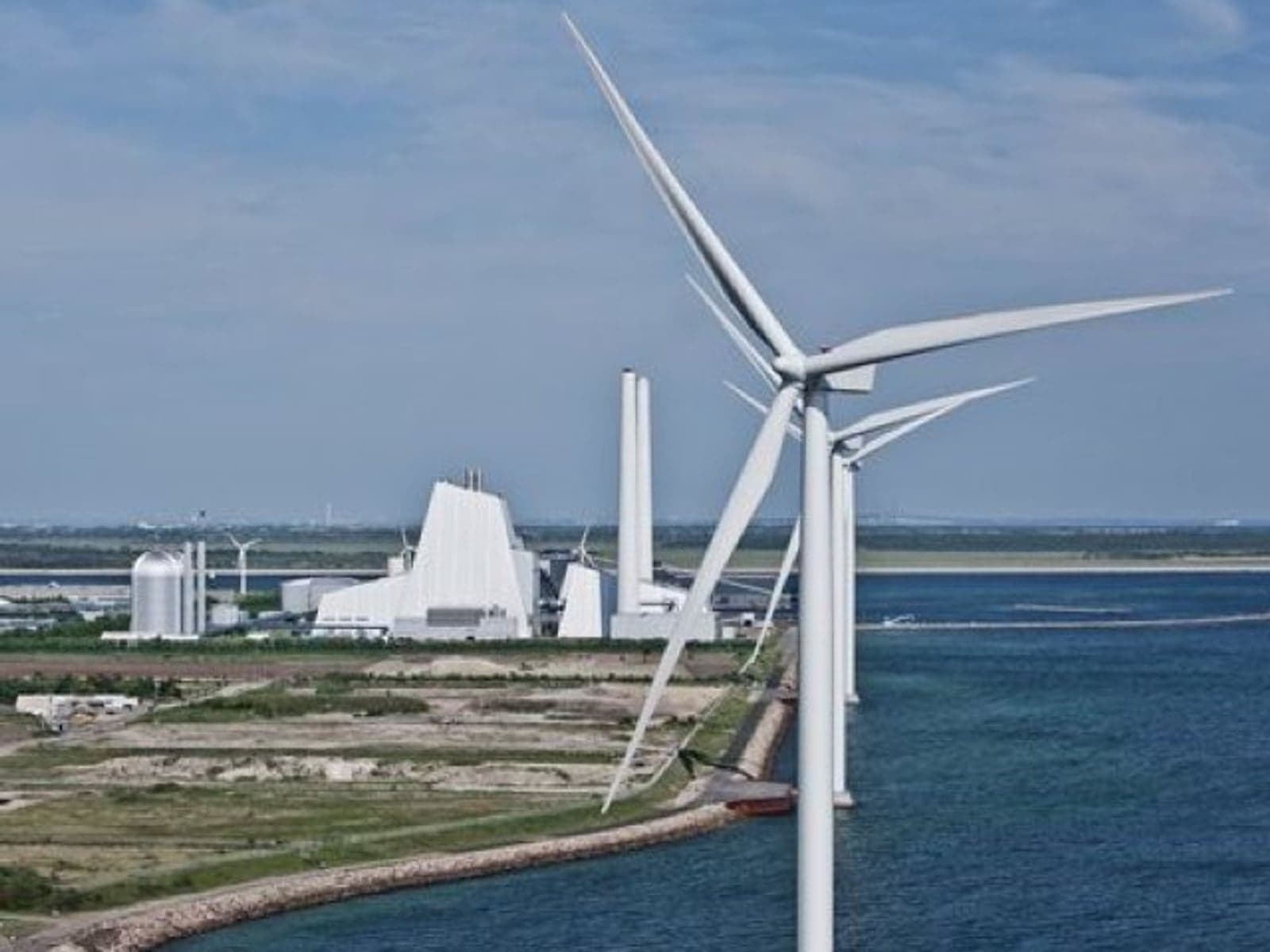
Ørsted has entered agreements with Danish district heating companies VEKS and CTR to use surplus heat from carbon capture at Avedøre Power Station.
A new carbon capture plant is being set up at Avedøre Power Station in Denmark, aiming to capture 150,000 tonnes of carbon dioxide annually from its straw-fired unit.
The 53MW of surplus heat from the plant will provide district heating to up to 16,000 Danish households in the Greater Copenhagen area according to Ørsted.
The plant will use locally-sourced straw from Zealand's fields to generate heat and power and beginning in 2026, the biogenic carbon emitted will be captured and stored.
By using a heat pump, the surplus heat from both the carbon capture process and flue gas condensation can be repurposed for district heating.
Have you read?
Hydrogen production project with CCS receives funding
AI modeling could help plants capture carbon using less grid energy
The carbon capture plant at Avedøre Power Station is expected to produce approximately 34MW of surplus heat from the carbon capture process and around 19MW from the flue gas condensation process.
The agreement between VEKS, CTR, and Ørsted will be valid from 2024 to 2027.
“This agreement is a very important and tangible step in VEKS’s transformation to the green technologies of the future. It’s a good example why district heating is an important part of sector coupling while also being green, reliable, and sensibly priced," said Steen Christiansen, chairman of VEKS.
"It's positive that surplus heat from carbon capture is now part of the total heat supply to district heating customers in the Greater Copenhagen area. The district heating supply of the future will consist of many different heat sources, which collectively can help us continue to provide district heating at an attractive price," says Line Barfod, chair of CTR.
Denmark's efficient heating system
According to State of Green, a non-profit public-private partnership with the Danish government, Denmark’s district heating system is highly energy efficient and has been one of the key drivers for reduced energy consumption and emissions in the country's energy sector.
Denmark’s district energy system is more efficient because of the effective distribution of heating or cooling water, the minimisation of energy loss during distribution, and the effective connection of district energy systems to consumers, suggests State of Green.
The system also helps to address energy poverty by lowering energy bills for consumers.