Inside the world's largest low-temperature district heating system
Pamela Largue
Posted on: 8 August 2025
The world's largest low-temperature district heating system resides in Lund, Sweden, an optimised fossil-free network that reduces cost and minimises environmental impact.
The Swedish city of Lund is home to the world's largest low-temperature district heating system, a shining example of an optimised fossil-free network that not only reduces cost but also minimises environmental impact.
Enlit on the Road visited the Brunnshög area to learn how Swedish utility Kraftringen, in collaboration with the Municipality of Lund, has created a model for the efficient recovery and distribution of waste heat, blending technical innovation and urban planning into a future-proof energy system.
According to Martin Gierow, Product Manager at Kraftringen, the system's uniqueness lies in its low operating temperature—65°C compared to the typical 100°C used in conventional systems.
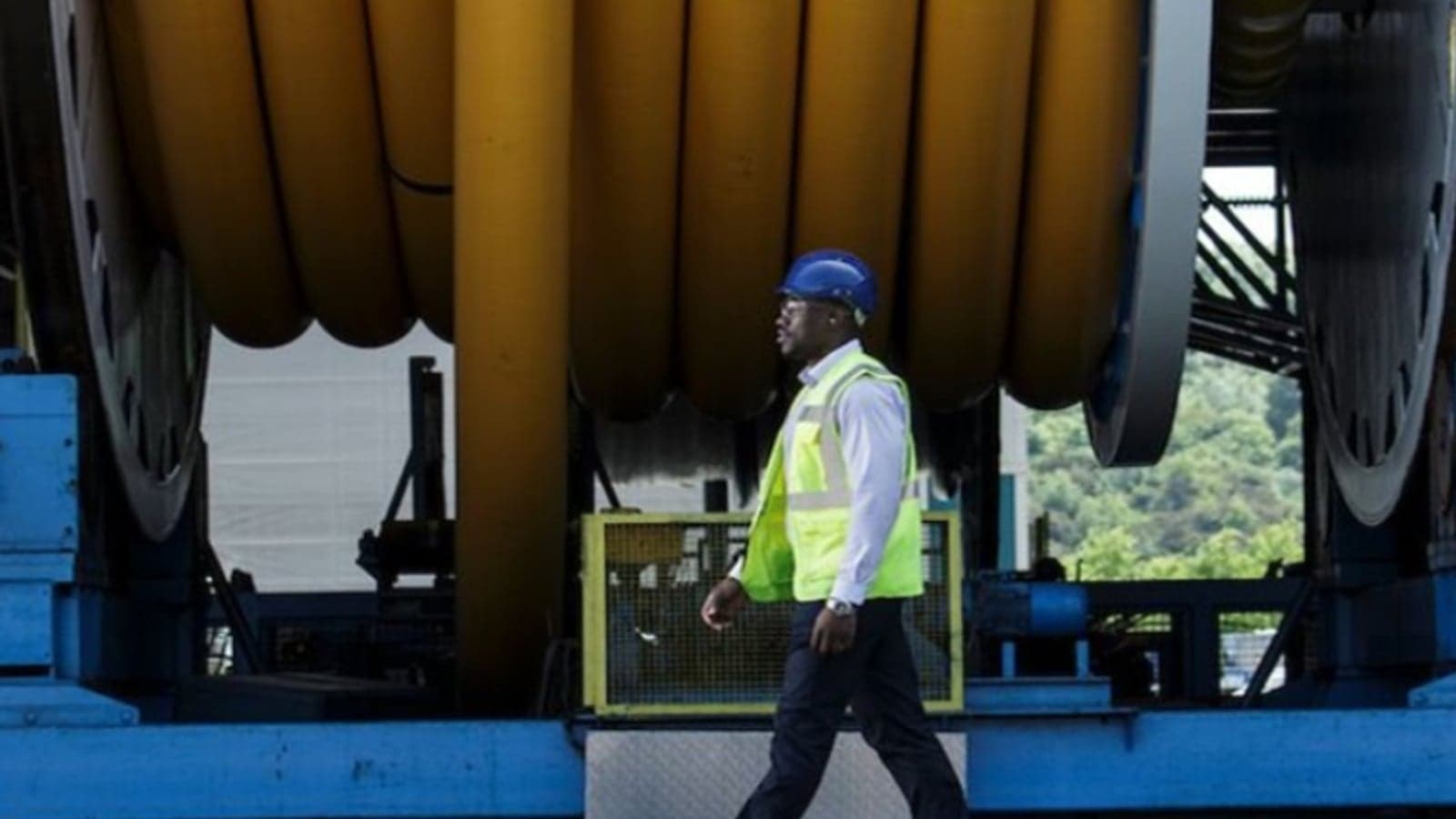
This lower temperature results in reduced heat loss in distribution, and crucially, allows the use of plastic pipes instead of steel, making installation more efficient and less labour-intensive. “We don’t have to weld every 12 metres,” Gierow notes, which significantly cuts construction time and cost.
The system is powered in part by residual heat from Sweden’s two largest research facilities, particularly MAX IV, a synchrotron light source, and the European Spallation Source (ESS), a large particle accelerator.
These facilities generate significant amounts of waste heat due to the need to cool equipment. “Almost all of that electricity has to be cooled off in a very controlled way… the energy is trapped, easy to recover,” Gierow explains.
Learn more about Sweden's energy transition:
Hydrogen at the heart of Trelleborg’s system of energy solutions
How a Swedish waste-to-energy plant is making carbon capture work
Dual heating and cooling network
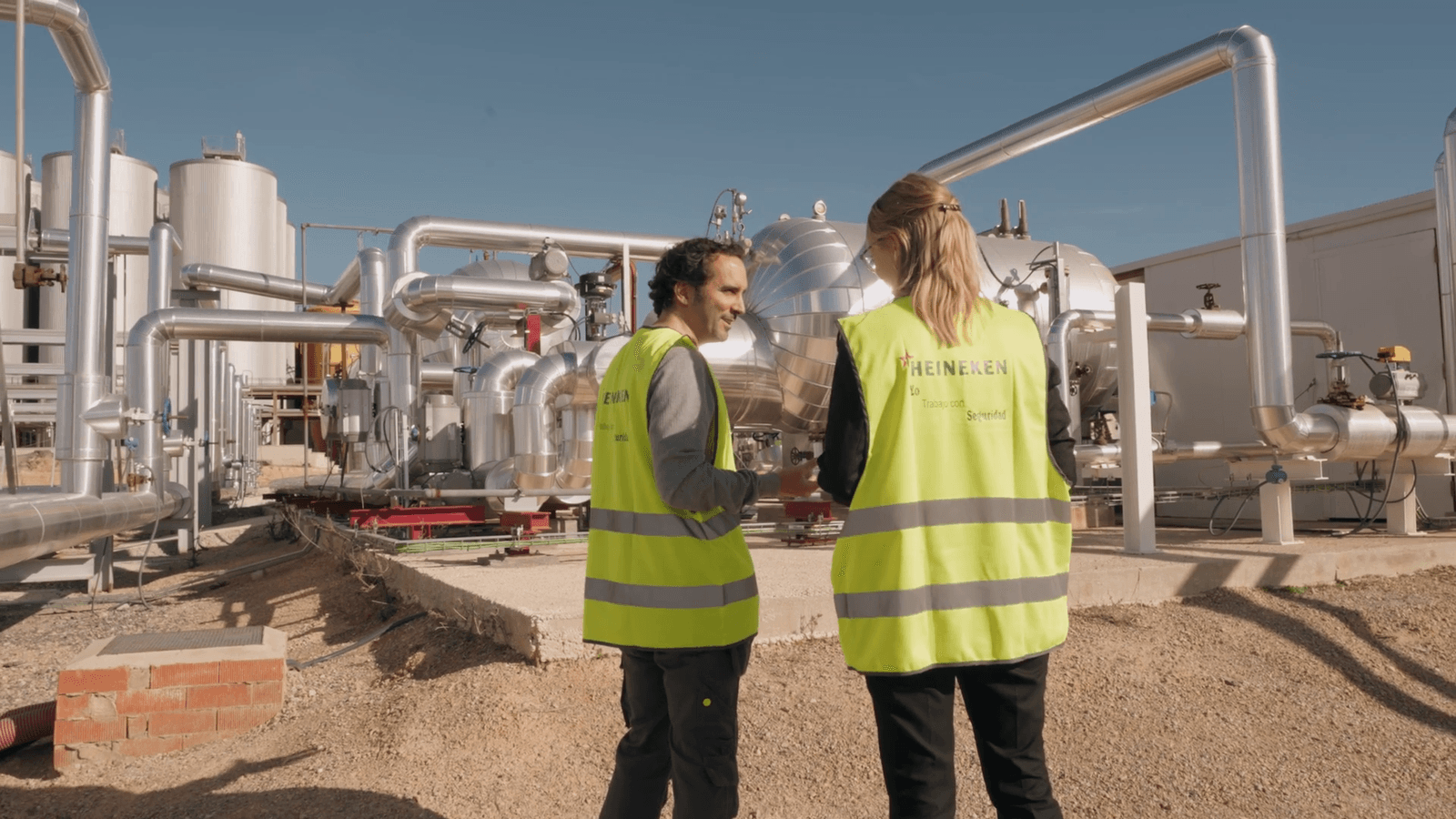
Kraftringen uses heat pumps with a dual function: they provide cooling for the research labs and then recover the extracted heat to feed into the district heating system.
Working in partnership with Lund University, these heat pumps are installed in ways that avoid vibration to the research lab equipment. “We have installed...under-distribution pumps with springs below flanges… to ensure we don’t get any vibrations from our equipment to their research equipment,” Gierow says, highlighting the high level of technical precision involved.
As Sara Sellin, Business Development Manager at Kraftringen, explains, district cooling is one of the key elements that make the system unique. She highlights: “We have an absorption chiller… it’s going to use waste heat to produce cooling instead of electricity,” especially valuable during warmer months when waste heat exceeds heating demand.
Importantly, they’ve also designed the system to avoid harmful chemicals commonly used in refrigerants, aligning with broader environmental sustainability goals.
From a city planning perspective, Markus Paulsson, Project Manager at Lund Municipality, believes the project is a model for future energy systems. “Most cities don’t have particle accelerators, but there are many other heat sources… shopping malls, data centres, even a supermarket,” he says. With Europe wasting nearly as much energy as it consumes for heating, redistributing this residual heat can provide immense gains.
Ultimately, Paulsson stresses that the system makes it easy for residents to live sustainably: “It makes it possible for all the people that live here to get very sustainable energy without having to do anything in particular.”