Home
/
Deputy Director-General Wörsdörfer urges next EU Commission to prioritise policy implementation
Deputy Director-General Wörsdörfer urges next EU Commission to prioritise policy implementation
Yusuf Latief
Posted on: 13 June 2024
“What the new Commission needs to do is deliver and implement, said Europe's Deputy Director-General for Energy, Mechthild Wörsdörfer.
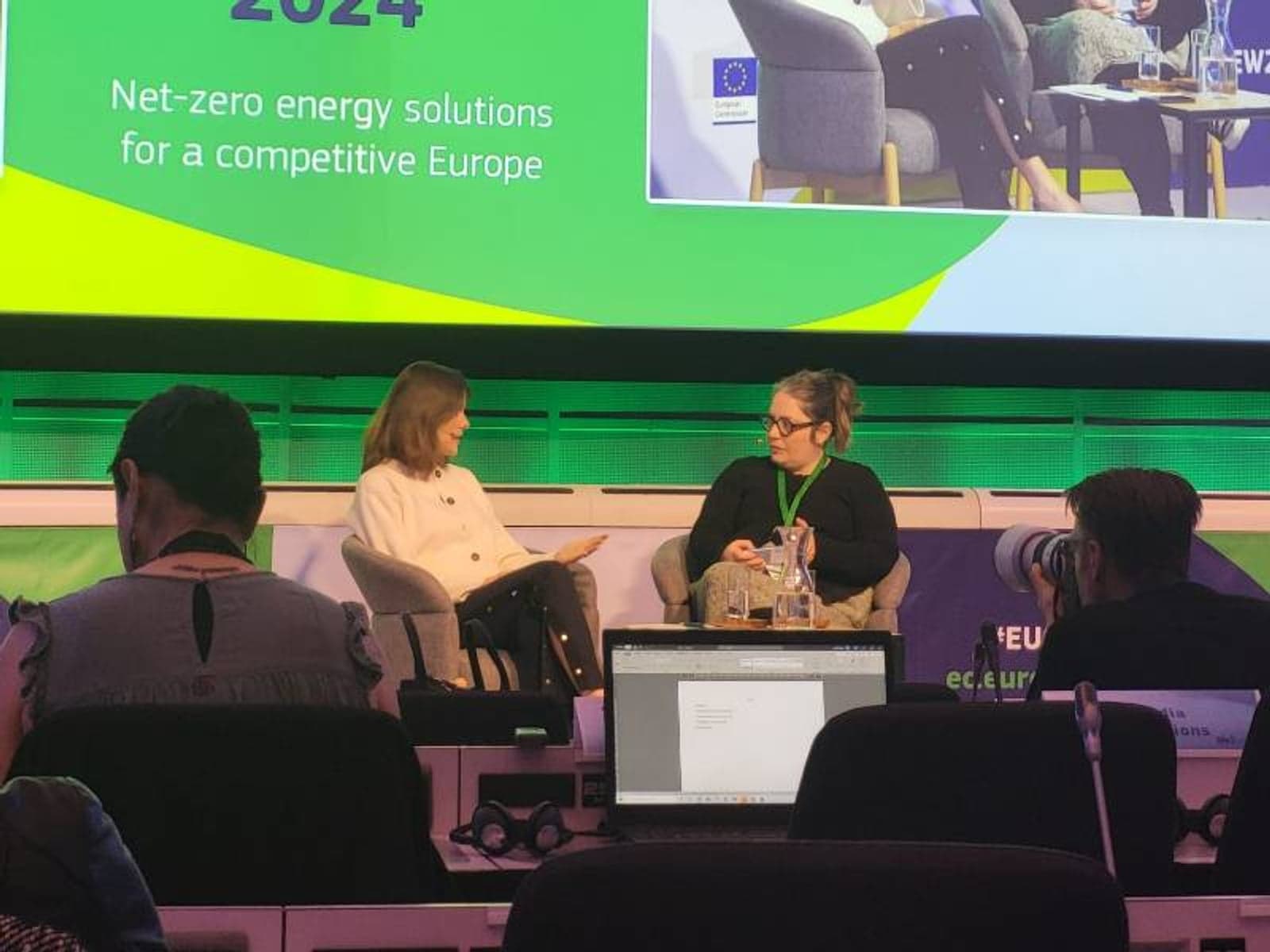
“What the new Commission needs to do is deliver and implement," said European Deputy Director-General of the Directorate-General for Energy, Mechthild Wörsdörfer.
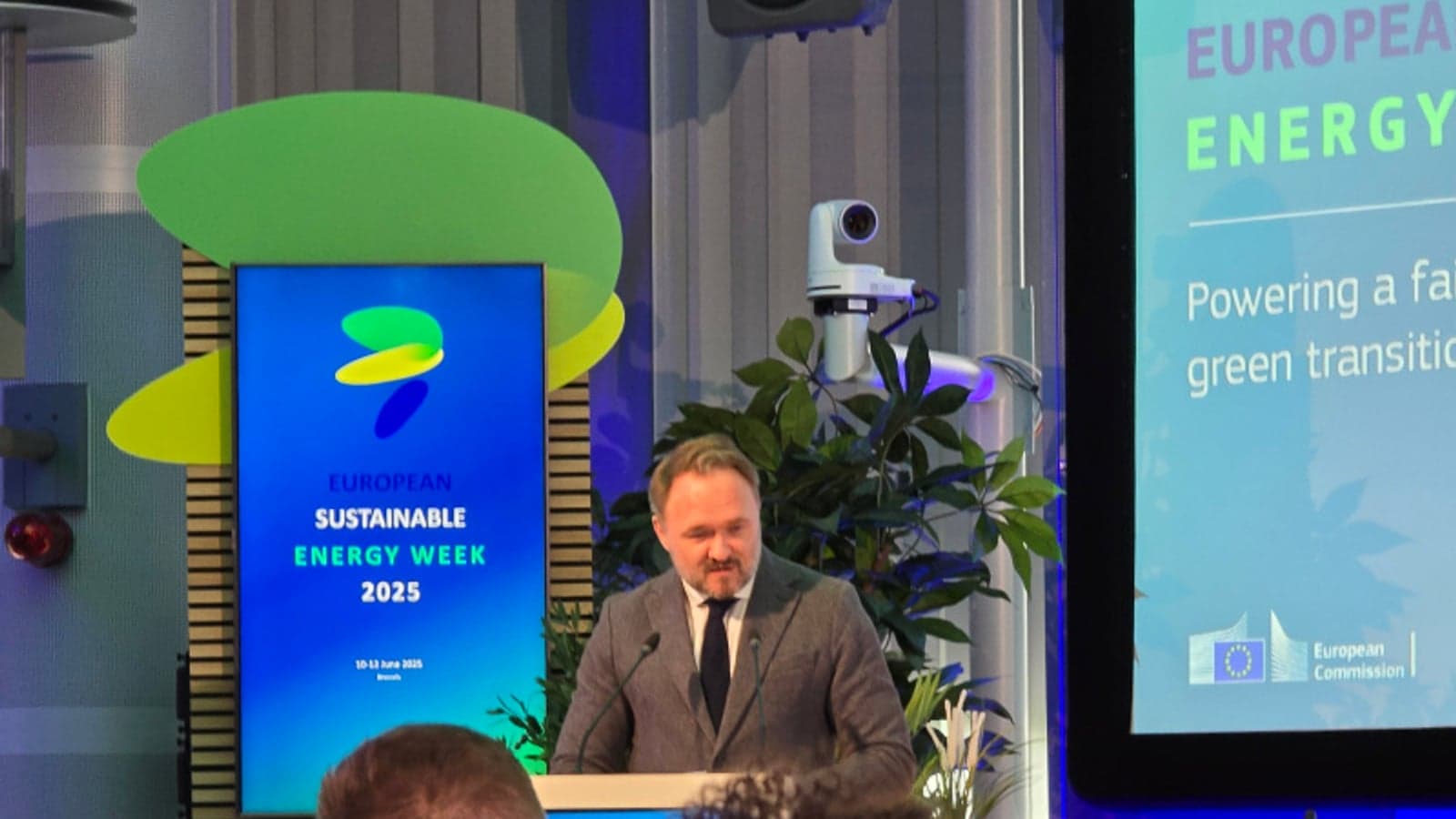
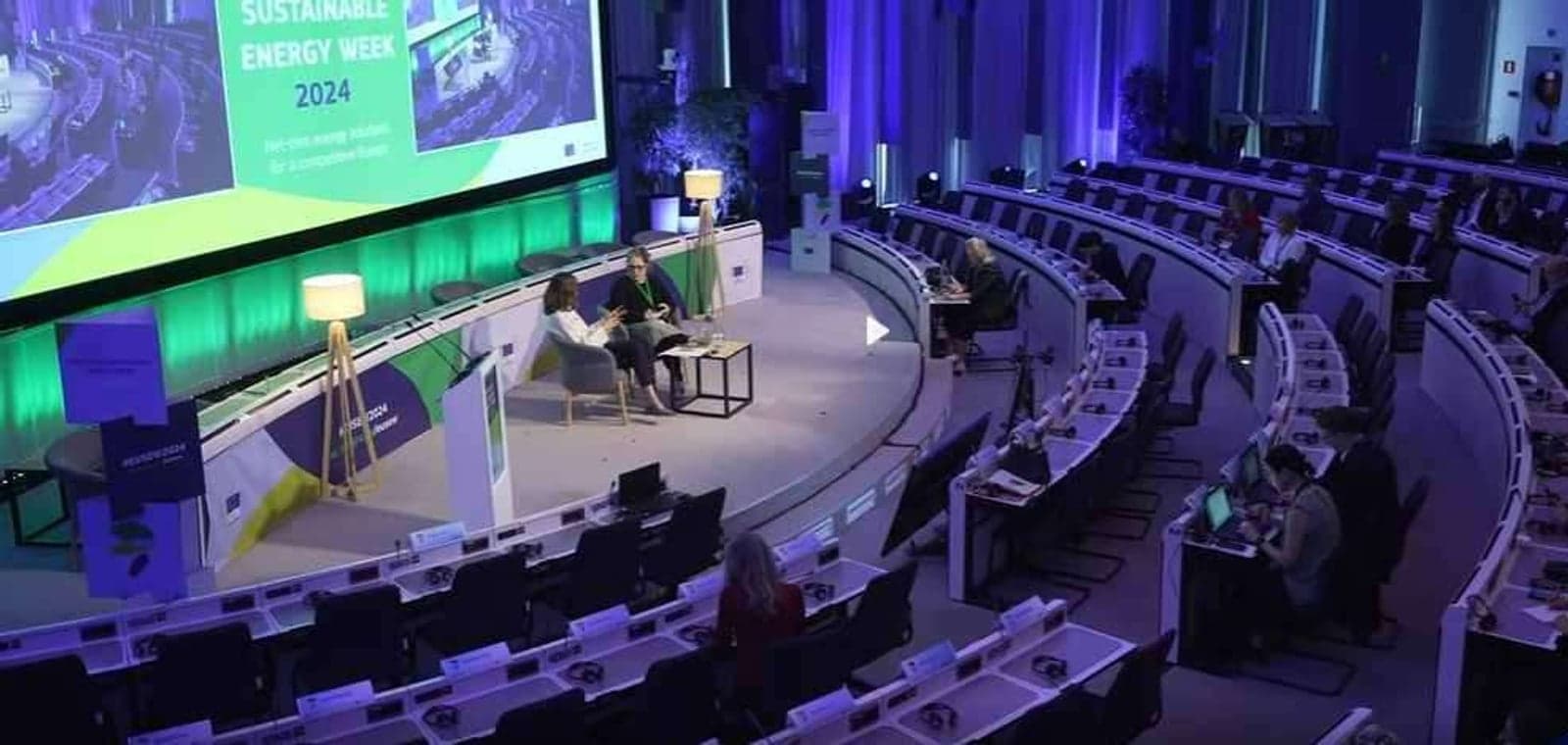
Wörsdörfer’s comments, made during a keynote speech at the European Sustainable Energy Week (EUSEW), were part of a call to action for the incoming Commission and Commissioner to implement the energy sector legislation that the outgoing European Commission has put in place.
Said Wörsdörfer: “We have a lot of technical expertise in-house, from stakeholders and Member States, so the first thing we will tell…our new Commissioner is to implement the package on energy efficiency, on renewables…”
Wörsdörfer is referring to the various moves made in recent years, especially in the latter half of 2023, by the EU Commission to put into force energy sector policies, such as the revisions on the Renewable Energy Directive and the Energy Performance of Buildings Directive.
Within the legislation, she adds, are the measures to boost energy communities, accelerate the adoption of renewable energy sources and speed up permitting.
“It’s not enough that we have moved past the major milestone of adoption of legislation. It needs to be implemented. That’s the very first thing we need to all work together on.”
Have you read:
Heating and cooling experts deliver verdict on REPowerEU plan so far
How can we boost Europe’s competitiveness?
European competitiveness
Wörsdörfer’s call reflects the key talking point from this year’s EUSEW: European competitiveness in the wake of sector dominance stemming from the likes of China and the US.
Part of this revolves around energy prices. For renewables and energy efficiency, due to their increasing competitiveness, prices have significantly lowered.
In Europe, she says, renewables have become competitive, especially compared to the early days of adoption.
“Now that we have scaling and much more renewables in the market, we have seen that prices have become much more competitive. There is a change in the bill if you use more renewable energy rather than [fossil fuels].
“Energy efficiency also is a no-brainer. The less you consume, the lower the bill.”
A big reason this has proliferated, she adds, stems from the energy crisis, which made consumers more aware of their bills.
Although competition in these areas is encouraging, it is not shared across sectors.
During her discussion with Enlit's Areti Ntaradimou, Wörsdörfer also referenced measures that still need to be made in hard-to-abate sectors, such as steel, cement and aluminium.
In contrast to renewables and energy efficiency, energy prices, she says, still form a big part of the bill in these areas. Key to ensuring their decarbonisation will be to bring these prices down.
“On the way to decarbonisation, it's important to have more green steel and products as they are big emitters and there is support from [funds like] the research fund and innovation fund to help these industries decarbonise without increasing prices.”
Enlit is a media partner for European Sustainable Energy Week (EUSEW), taking place in Brussels, Belgium.