Digitalisation is key' – Manuel Galvez, European TSO policy lead, Elia Group
Jonathan Spencer Jones
Posted on: 8 March 2022
Manuel Galvez, European Affairs lead for the Elia Group, advises on European policy and legislation on a variety of topics, among them digitalisation and data.
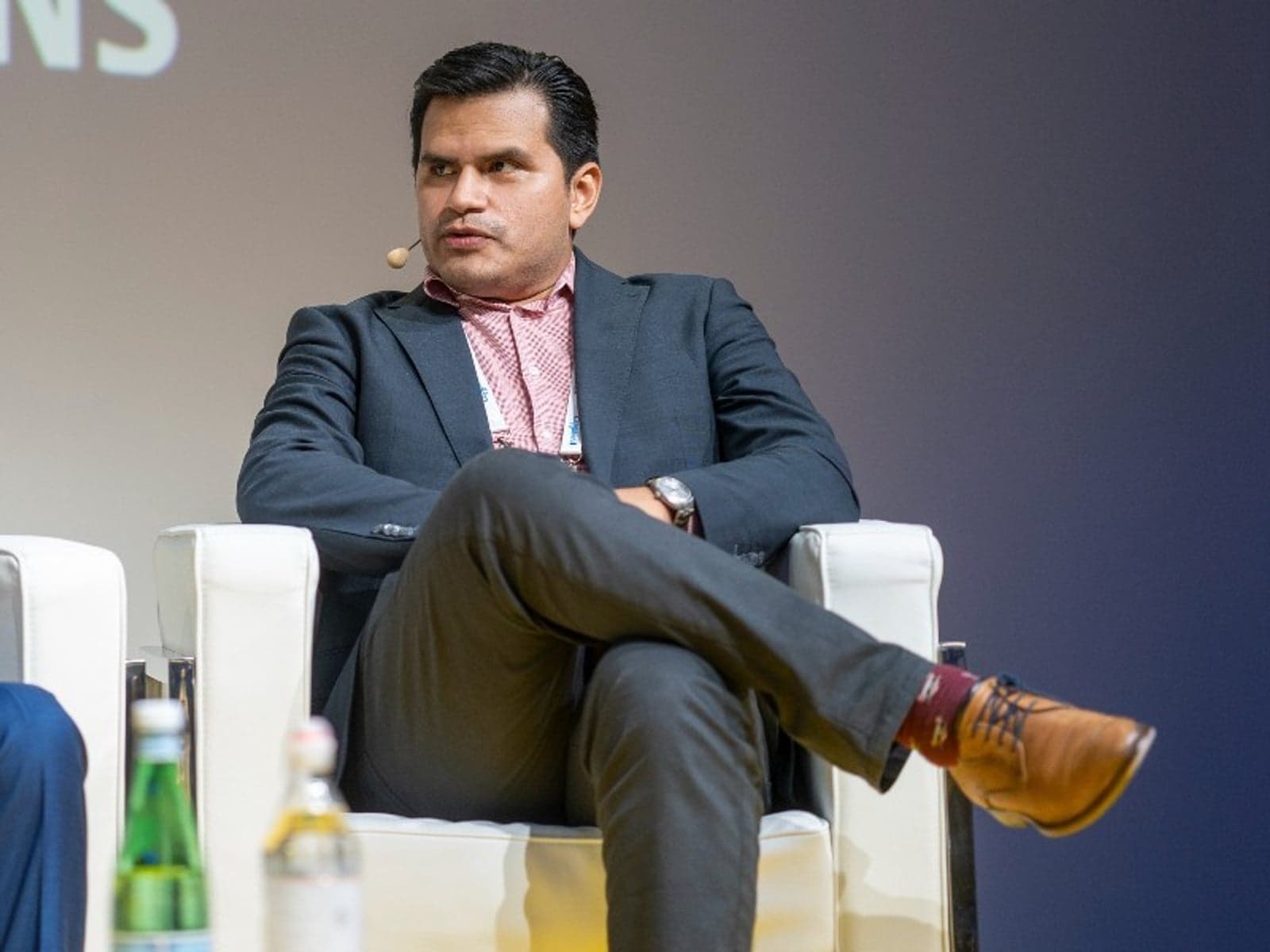
Manuel Galvez, European Affairs lead for the Elia Group, advises on European policy and legislation on a variety of topics, among them digitalisation and data.
Alongside colleagues in different teams across the group, which includes the two transmission system operators Elia in Belgium and 50Hertz in Germany, he is also part of an expanding network of stakeholders on digitalisation both within the sector and across sectors.
“Digitalisation is key for accelerating decarbonisation centred on consumers, and particularly the different policy and legislation on issues such as data sharing, data access and interoperability,” he says.
What are the main TSO uses of data?
As a TSO with regulated tasks, the types of data we need depend on those tasks and the activities within them. One is keeping the system balanced 24/7. With more renewables, but also with more digitalisation and electrification of demand, we need more granular data not only within our own transmission grid but also at the lower voltage levels to be better prepared, for example to better forecast for patterns of demand or generation, from many months ahead up to real-time.
We also require data to improve the scenarios and models that we use for network planning. We need to see what the pathways are for the future and within these pathways the characteristics of certain kind of assets, for instance how much flexibility can they provide to the system.
Last but not least in the role of market facilitator, access to data is important for market players and consumers. In the end, if there's better data available to market players – aggregators, service providers, etc. – and consumers, then they can also make better decisions.
What challenges and barriers have you experienced with data?
There are some technical barriers but I think it's normal as with more data, we need to have better ways and means to capture it and process and make sense out of it. There we also have a lot of support from the new digital technologies, like blockchain and artificial intelligence.
The other aspect is access to the data itself, such as the data from our own activities, but also how to facilitate access to that data not only from smart meters but also from behind the meter, e.g. embedded meters in electric vehicles or heat-pumps, to third parties and to the consumers themselves.
Digitalisation should be centred around consumers – citizens and businesses – and should support the Green Deal.
What steps should the energy industry and TSOs in particular take to secure and streamline data use?
We need to work together and see what needs we have in the short term but also in the long term in terms of data and exchange and its purpose. Sometimes there is not a common understanding of what the purpose will be in terms of the use of the data and also what making accessible certain kinds of data can deliver in benefits beyond the initial use cases.
In the end, getting access to data is good not only for the consumers and for the system operators to operate the grids, but also it is good for the business and market players, as it will help them to develop new business models or services towards consumers.
Who should take the lead on that?
That depends on the sector and I would say in the power sector it's more a collaboration of regulated players like TSOs and DSOs that have societal tasks and boundaries they cannot go beyond. In our case, we play a role of facilitator – how we can better enable the needs of market players and how to improve access, competition and the offer of energy services at competitive prices.
As an example, in Belgium together with the DSOs we are facilitating collaboration within an ecosystem to accelerate the time to market of energy services. Any party that is interested from the energy sector to banking, finance, IT and mobility can come and we provide the opportunity to meet and then progressively develop and demonstrate a given service, although these are not necessarily services that will have a direct impact to the transmission system.
How can data and digitalisation assist in achieving the Green Deal?
Reaching carbon neutrality by 2050 and even the 55% of reduction in emissions by 2030 is a challenging task. In that, we need a way of improving decision making across the value chain and digitalisation and data will help to achieve these objectives in different ways.
For instance, for consumers getting access to their own data or giving third parties access to it, but also deriving meaningful information and supporting decision making on investments in technologies and in behaviours such as reducing energy bills or providing flexibility to the system. Market players will use digitalisation and data to develop new business models and services to consumers and system operators to improve their mandated tasks.
Digitalisation should be centred around consumers – citizens and businesses – and should support the Green Deal. So I see digitalisation and decarbonisation as intertwined and two faces of the same coin.
What is your view on centralised vs. decentralised data?
It depends on the purpose and likewise for the question on regulated or market-based platforms. For us, one of the key aspects is to make data accessible and to do so it is important to communicate the data appropriately or otherwise it cannot be used. The data should be communicated via routing from the user to the party requesting the data and this type of communication platform probably can be centralised. That doesn't mean that it should only be developed by the TSO and also could be co-developed together with a DSO.
There are other platforms that merit being fully decentralised, such as an asset registry for decentralised renewables or decentralised assets interacting with the electricity system.
Have you read?
Open energy data – yea or nay?
Energy data: What the sector thinks about EU legislation
New energy data work group launches at Enlit Europe
What has been Elia’s experience with blockchain as one of the leaders in its development?
Blockchain is a means to an end and for us what's important is where the application can provide the best value in the shortest time. One of the latest experiences is related to how to use blockchain to easily and securely authenticate assets. For instance, when you charge an EV the system should be able to automatically recognise your contract and vehicle, instead of having to enter the information manually every time. And automatically recognising that you have certain characteristics can help to access different type of services wherever you decide to charge your EV.
It's important for us because the development of e-mobility will need these types of tools. For instance, you would be enabled to charge your vehicle according to your contract and virtually use your rooftop solar energy whether you are in Madrid or Berlin.
What is Elia’s approach to digital innovation?
Apart from blockchain we are running demos and looking to improve our knowledge in different digital technologies, like artificial intelligence, the Internet of Things and augmented reality. At an early stage of innovation, we aim to learn about the potential for our activities and mandates. Once we think it's mature enough, we have ‘Centres of Excellence’ for the different technologies, where the purpose is to accelerate the time to full deployment. That means not only ensuring the technology is mature as a tool, but also that the people that will be using it are comfortable with it and up to speed.
For instance, we see secure authentication as one of the main use cases for blockchain. With augmented reality we expect to improve the training of operators and make maintenance actions more efficient and secure.
What policy/legal recommendations would you suggest for data?
We have seen a lot of good policy and legislative moves at the European level both within our sector and across sectors to facilitate the sharing of data and making it interoperable. The question is the industry uptake and there should be some guidelines set and incentives for industry players to agree on the best way to deliver data in the shortest time.
Often one has a new regulation or legislation and the challenge is how to transpose it in national law, which can take many years. In some sectors the industry has started to take a lead and this should be encouraged.
We also should not forget the role of system operators and that we need data to support our regulated roles, and in the end that data also will help consumers and other market players in their functions. We are advocating this both as Elia Group, and through our sector association ENTSO-E at the European level.
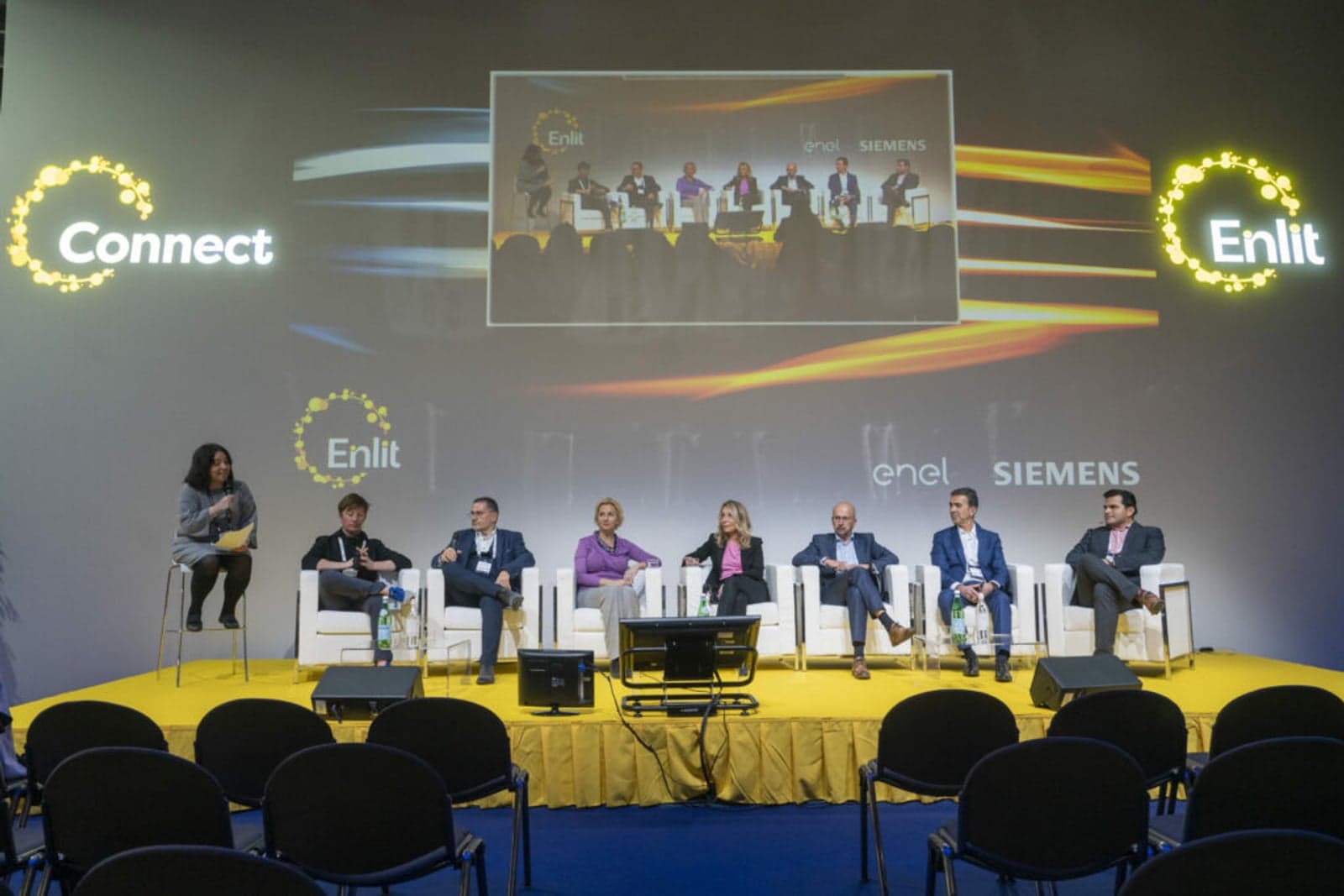
Manuel Galvez participates in Enlit Europe's Data Working Group. The aim of this workgroup is to focus and elaborate on the European Commission’s Strategy for Data and Cyber Security Directives and identify the ethical dilemmas and the potential security issues.
For more information about the Data Working Group, contact Areti Ntaradimou: [email protected]