DNV to examine wind turbine resiliency to earthquakes
Kelvin Ross
Posted on: 3 May 2023
Risk management company DNV is to investigate offshore wind turbine resiliency with a focus on Japan and Taiwan.
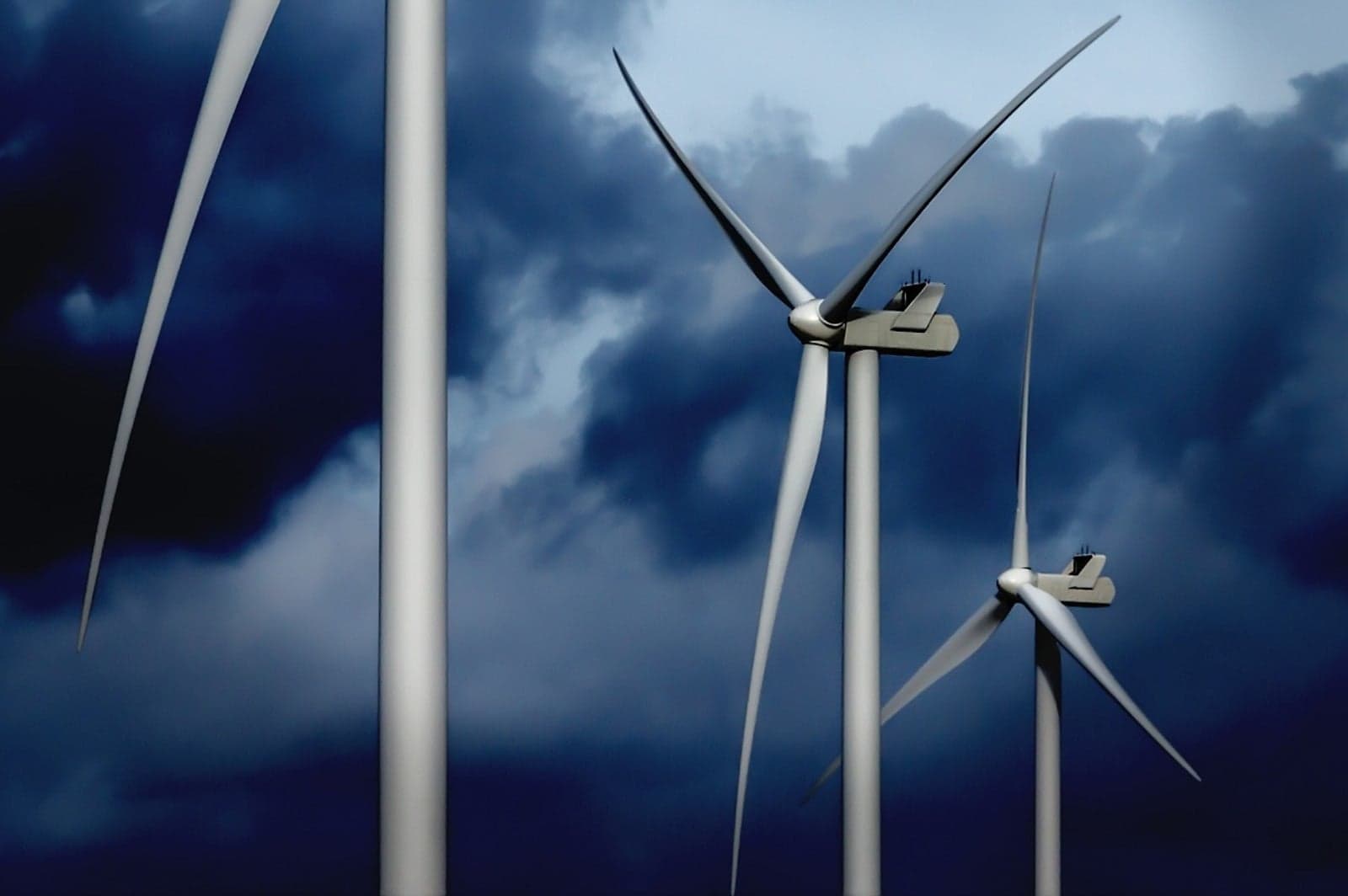
Study will look at offshore wind turbine resiliency with a focus on Japan and Taiwan
Risk management company DNV is to investigate how wind farms can be made more resilient to earthquakes.
DNV believes Europe will be overtaken by first Asia and then North America in terms of installed offshore wind capacity, yet both regions are prone to earthquakes.
The study – called a Joint Industry Project (JIP) – is designed to increase certainty in the design process for wind farms challenged by earthquakes.
The so-called ACE2 JIP is a follow-up to another project, Alleviating Cyclone and Earthquake Challenges, and will investigate issues related to earthquakes which was not conducted in the first study.
Offshore wind floating Lidar device withstands typhoon
Topics due to be addressed are geotechnical aspects such as damping and liquefaction, jack-up installation vessels, details of seismic load analysis and specific Taiwanese and Japanese needs.
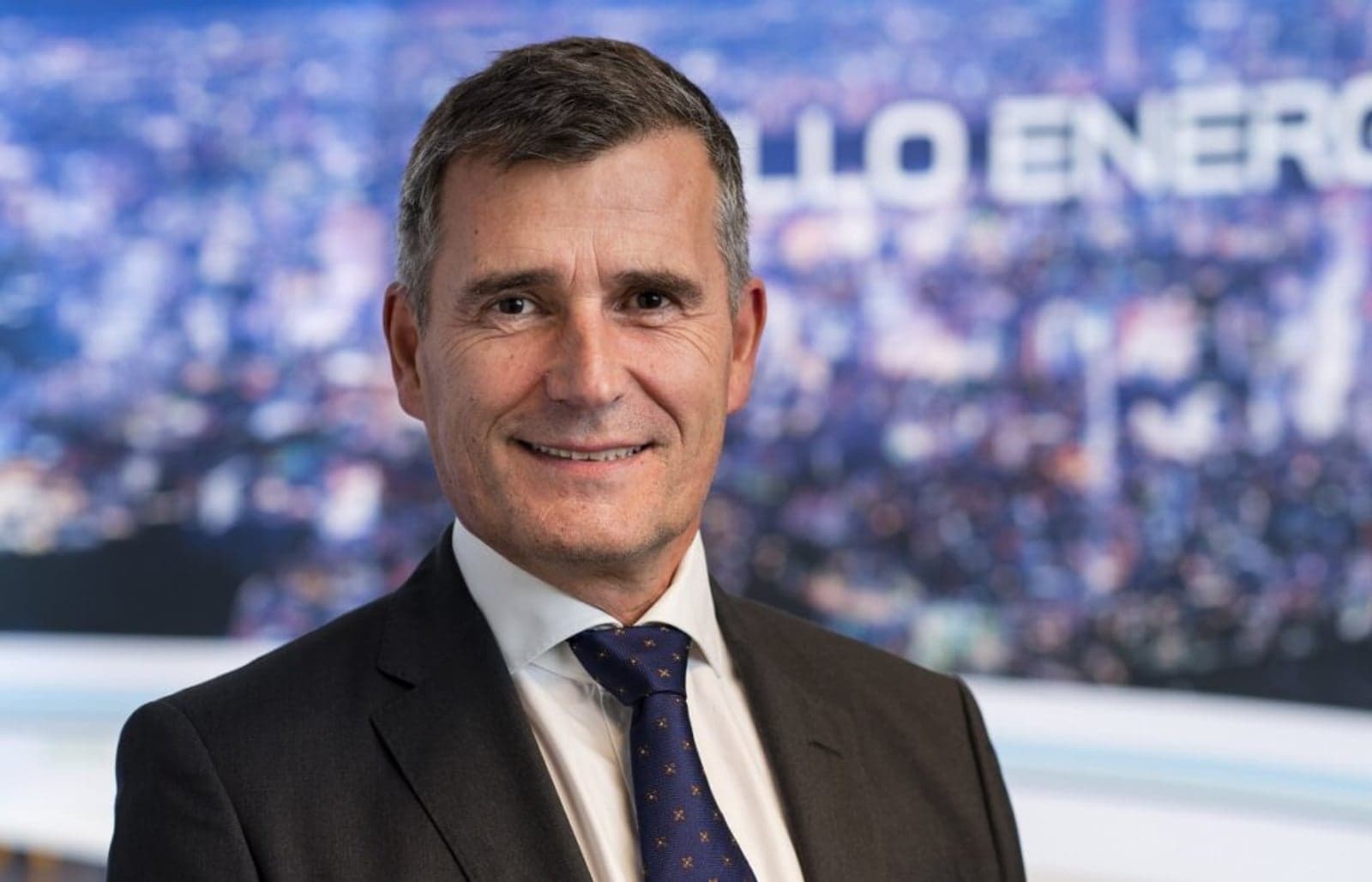
The results will be used to update the recommended practice DNV-RP-0585 Seismic design for wind power plants, with the most recent customer feedback and state-of-the art knowledge.
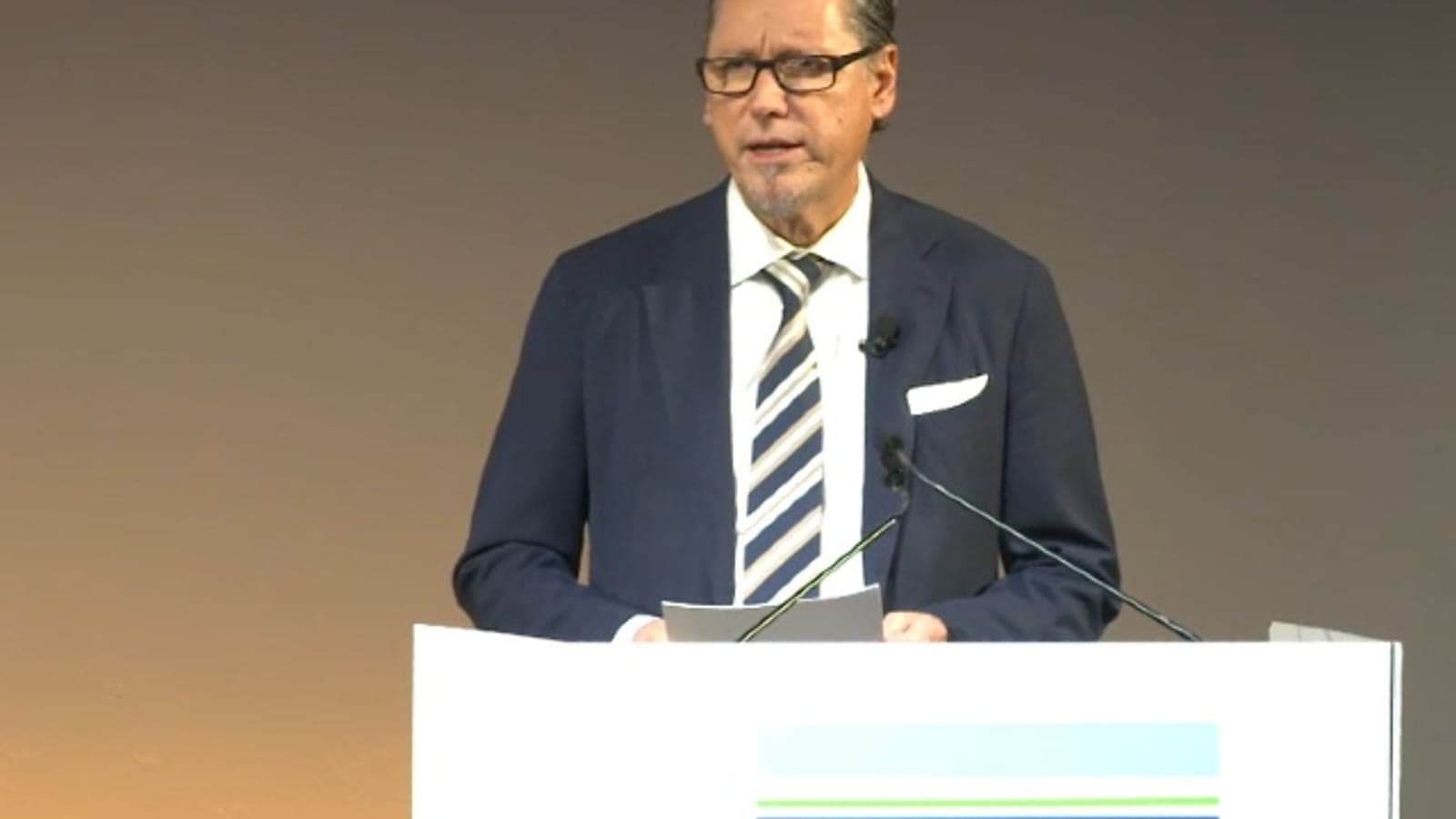
Kim Sandgaard-Mørk (pictured), executive vice-president for Renewables Certification at DNV, said: “When we look at the predictions for installed offshore wind capacity worldwide, we expect that Europe will be surpassed by Asia in the 2030s and North America in the 2040s.
“Especially in Asia and the US, wind turbines and offshore substations need to be designed to meet challenging conditions like earthquakes.
“This collaborative effort by the industry will increase the financial robustness of future wind farms in earthquake zones.”
Offshore wind insight:
UK firm wins grant to test anchoring technology for floating offshore wind
Future of offshore wind lies in maximising existing assets
Statkraft returns to “challenging and exciting” offshore wind space
Marcus Klose, DNV’s head of section steel structures, added: “We have just kicked off the project and it is great to have world-class experts gathered around the table to tackle one common industry challenge.
“It seems that one of our focus areas will be on the conditions in Japan. Japan has the sixth longest coastline in the world with ambitious government targets to install 10 GW of offshore wind by 2030.
Therefore, typhoons, earthquakes and tsunami risks should be given special attention in the project design life cycle.
Companies that have so far joined DNV for the project include Equinor, Jan de Null, Kajima, Obayashi, Ørsted, Penta-Ocean, Shell, Shimizu, Siemens Gamesa, Taisei, Van Oord and Vestas.
On our sister site enlit.world
Join us as we visit Europe’s biggest offshore wind port