Electrification key to decarbonising heavy industry says Coolbrook CEO
Pamela Largue
Posted on: 26 March 2025
The business case for low-carbon alternatives needs to be clear enough to convince operators to make the shift away from fossil fuels.
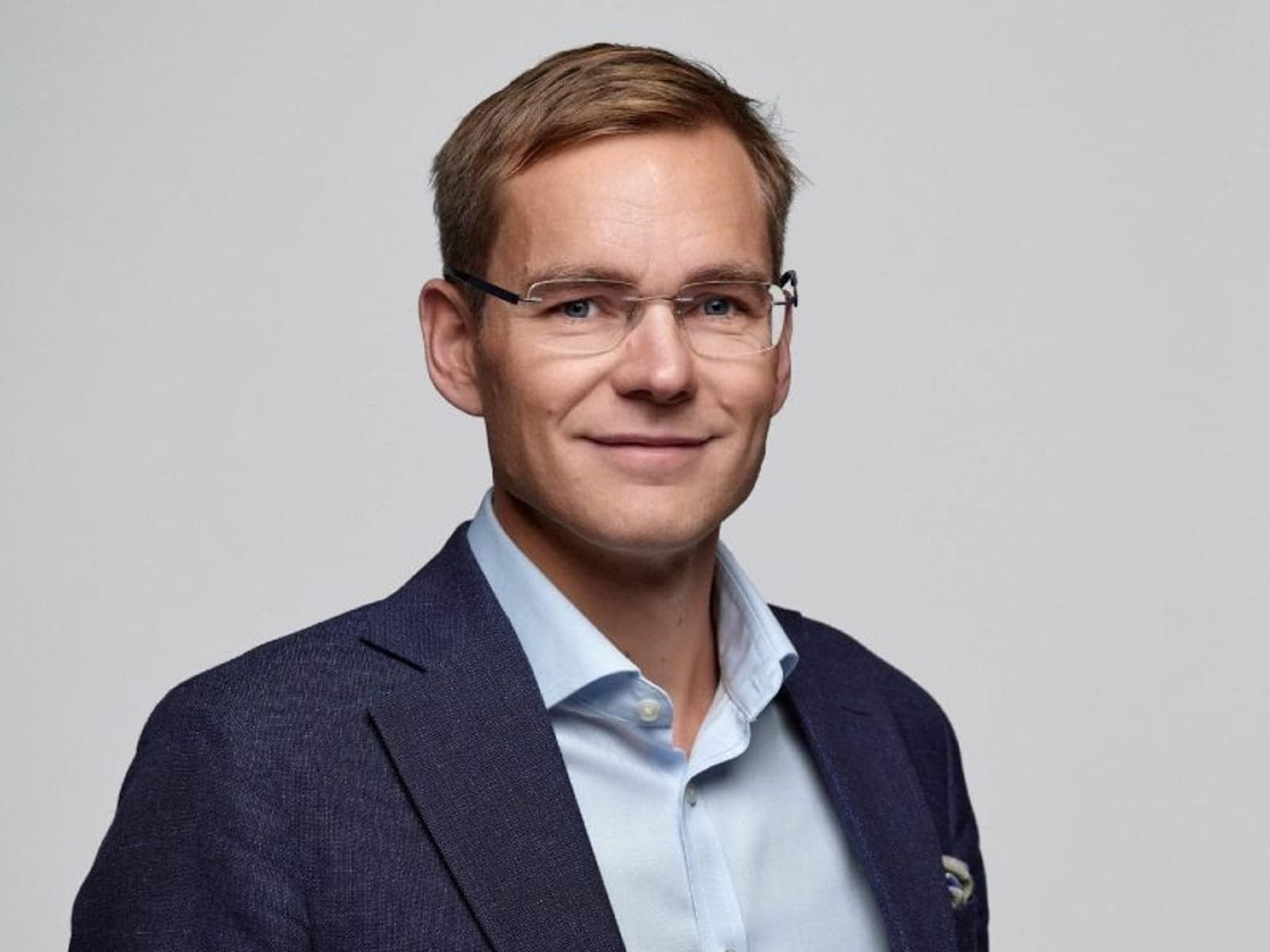
Joonas Rauramo, CEO of technology scale-up Coolbrook, suggests the answer to decarbonising hard-to-abate industries lies with electrification, which he refers to as “the route of lowest resistance”.
However, low resistance doesn't mean no resistance.
“The [fossil fuel-based] technology is there, it’s reliable and produces the high temperatures needed,” says Rauramo.
The benefits of fossil fuels are clear to industry, he says, which means the business case for low-carbon alternatives needs to be clear enough to convince operators to make the shift.
“We need to be on par or close to par with traditional fuel burning to really break through and industries want to know that their operations won’t be disturbed.”
Rauramo emphasised that investing in new technology solutions that potentially impacts the running of industrial processes is a big ask.
However, pressure from governments and customers and the need to meet climate objectives urgently are causing industries to embrace a strategic and mindset shift.
And it’s a shift that makes sound business sense, he said.
“In many markets and industrial processes using renewable energy makes financial sense already today for the customer, the business case is positive and as carbon pricing develops, operators will get incentives to decarbonise in line with climate scenarios.”
Have you read?
Clean Industrial Deal gets reality check at European decarbonisation summit
Rio Tinto and Hydro evaluate carbon capture for aluminium smelters
Working towards electrification and replacing fossil fuels
Coolbook’s mission is to drive electrification and decarbonise hard-to-abate sectors.
To this end, the company has developed a solution that replaces fossil fuels in high-temperature industrial processes and is currently operating a large-scale pilot demonstrator unit, which runs on its proprietary RotoDynamic technology.
Rauramo explains: “Our technology is designed to replace the fossil fuels in these processes with clean electricity – we can go to about 1700°C, sufficient for almost all industrial processes.
“We electrify the heat generation with an electric motor and drive, supplied through a partnership with ABB.”
The system can be deployed across all major heavy industry sectors, and Rauramo believes there is potential to reduce 2.4 billion tonnes of CO2 annually.
The original innovation behind Coolbrook’s rotodynamic machinery was conceptualised by a group of rocket scientists who were working on avoiding coking problems in steam cracking plants in petrochemicals.
They came up with the idea of a rotating device for generation, which has subsequently been developed into turbomachinery that can heat various types of gases and provide heat in multiple use cases, above 700°C and 5-10MW and going all the way to 1700°C and 10’s or even hundreds of MW’s.
The team is currently working with partners to gain insights into industry requirements and developing stepwise investment options to reduce the initial capital outlay for industrials.
“The interest is huge,” said Rauramo, adding they are currently negotiating delivery agreements with over 70 companies.
The company is on the cusp of developing a first-of-a-kind industrial-scale installation and will be looking at multi-megawatt deployments in the future.
Also of interest:
Clean Industrial Deal: a plan to accelerate Europe’s industrial decarbonisation
A lot at stake
Rauramo emphasised that industries are increasingly ready to invest in electrification and deploy this technology, however, Europe needs to move faster.
It’s not only a matter of meeting decarbonisation goals, he said, it’s also about securing Europe’s industrial competitiveness.
“Decarbonisation needs to play a role in securing competitiveness,” said Rauramo.
He compared Europe to India and China. “Their industrial plans are significantly bigger and more modern than what we have in Europe.
“I believe Europe needs to reinvent its industrial policy and going green is the only way that Europe can compete on a global stage… If Europe competes on cost and volumes in low value add products – they will not win.”