End-of-life EV battery packs find new use as stationary storage
Guest/partner contributor
Posted on: 9 March 2023
Smartville was awarded $5.9 million from DOE through a funding initiative to help advance technologies and processes supporting EV battery recycling and reuse.
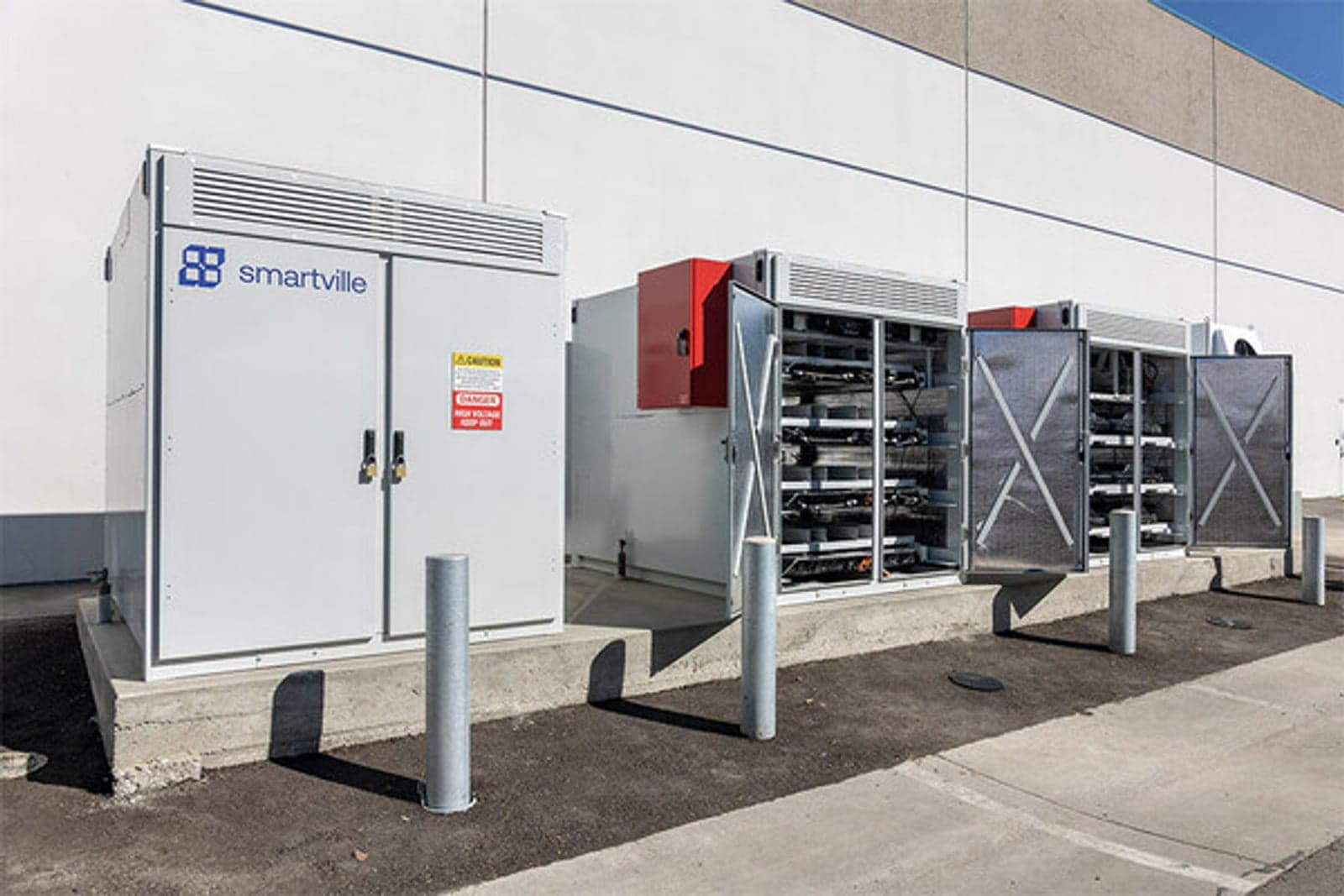
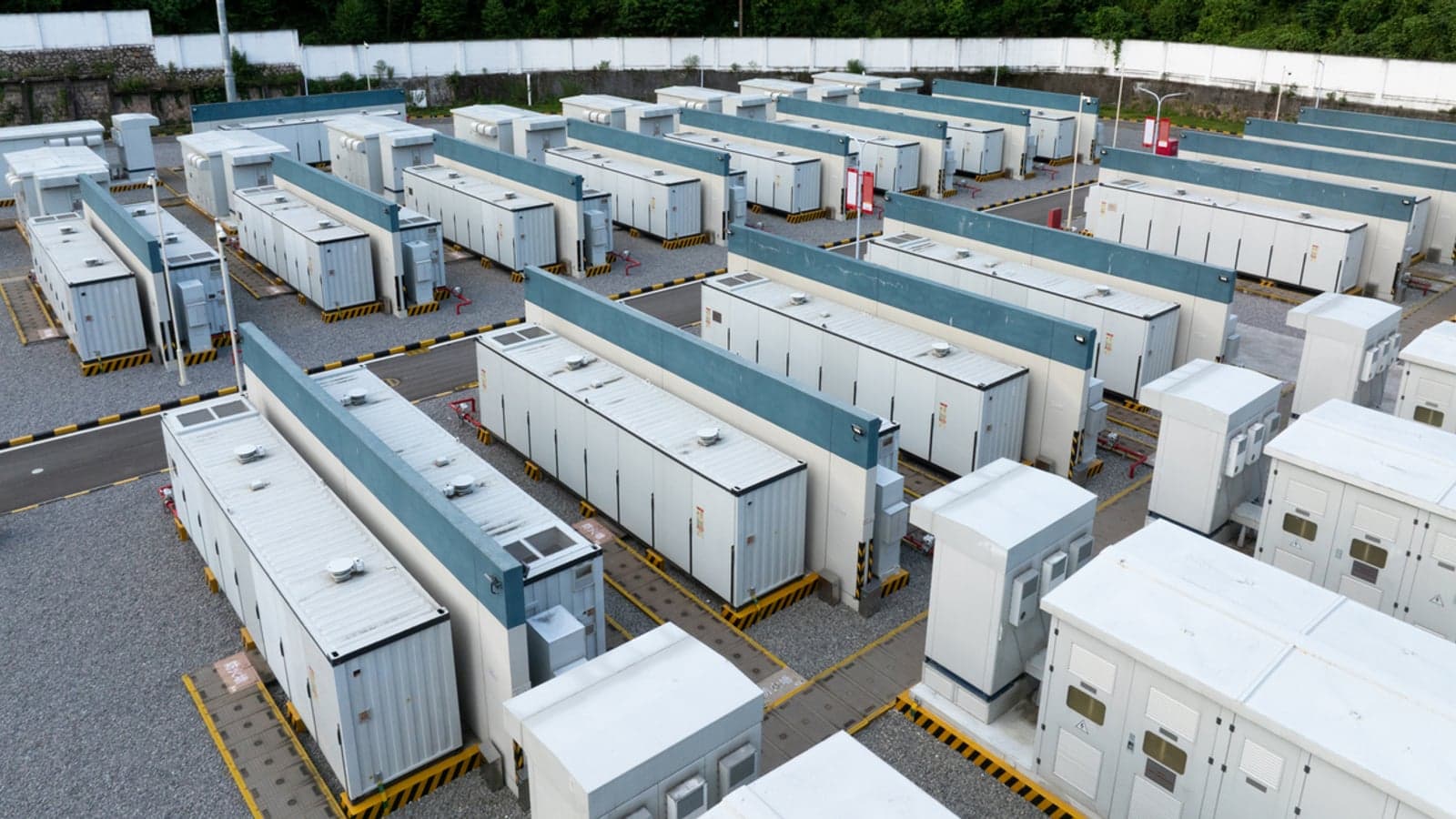
Second-life energy storage system Smartville said it deployed its first commercially available product, the MOAB energy storage system, at the University of California San Diego’s Library Annex.
MOAB both integrates and controls repurposed electric vehicle battery packs from different manufacturers in one unified system.
UC San Diego is expected to use the system to store solar energy from a 200kW rooftop solar array to reduce demand on the local utility grid after sunset and avoid peak electricity rates. The 500kWh system also provides 48 hours of emergency backup power.
In early March, Smartville was awarded $5.9 million from the US Department of Energy through a funding initiative to help advance technologies and processes supporting EV battery recycling and reuse efforts across the country.
Have you read:
Central Europe set to secure EV battery recycling investment landscape
InoBat mulls CEE for EV battery gigafactory
Smartville said it would the funds to accelerate MOAB’s commercialisation.
First, the funding is intended to help with Smartville’s plans to have MOAB become a UL certified second-life EV battery pack energy storage system.
Second, it is expected to fund a 4MWh demonstration project in central California co-located with an existing power plant operated by a California independent power producer in an underserved disadvantaged community.
The company said that most batteries retired from electric vehicles retain 70% of their storage capacity, making them candidates for stationary storage before being recycled.
This was originally published by John Engel on Renewable Energy World.