Making smart EV charging and demand response easier in Europe
Jonathan Spencer Jones
Posted on: 22 May 2026
Two European Commission expert groups have presented recommendations to simplify data exchange for flexibility and smart and bi-directional EV charging.
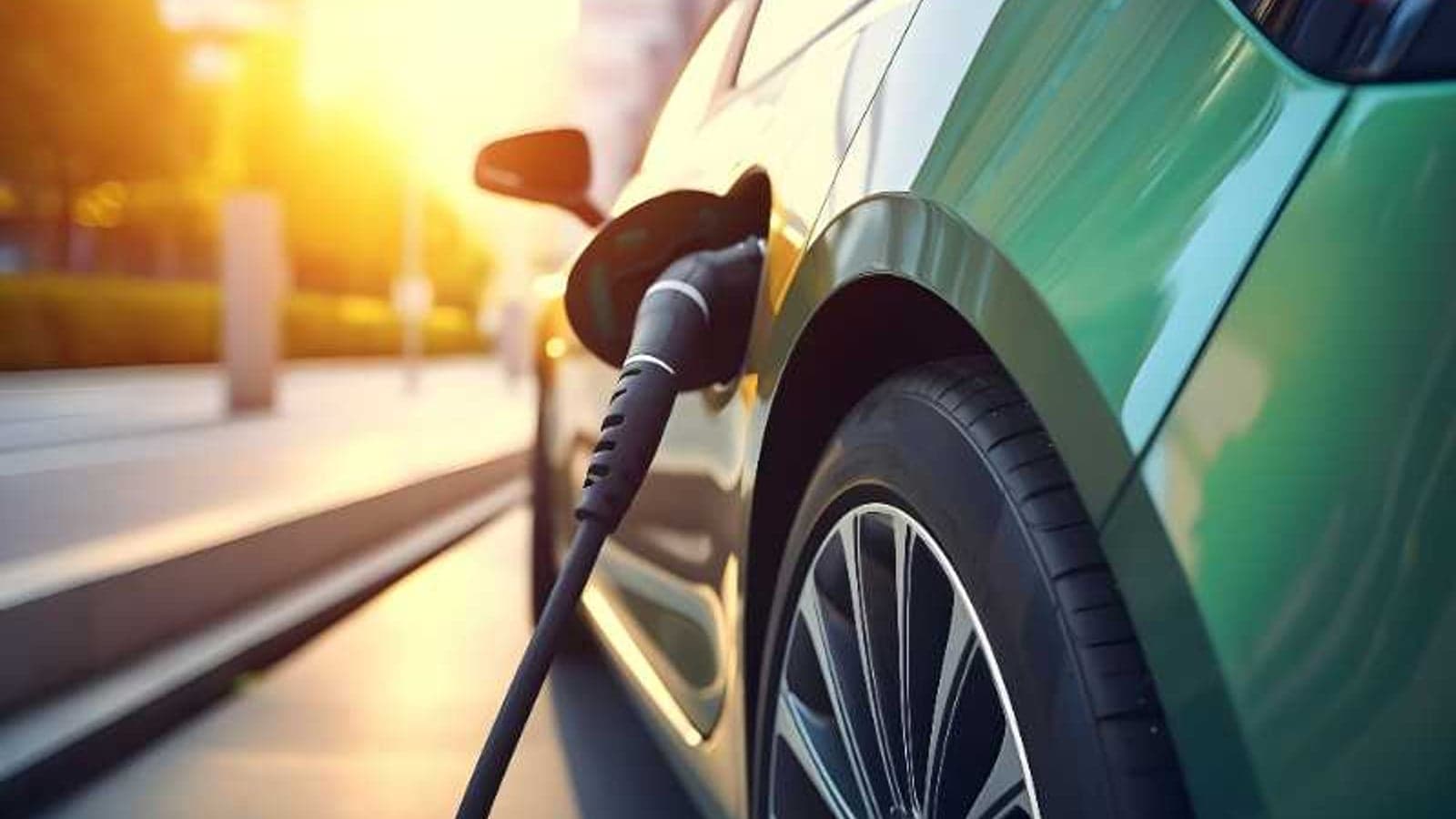
The recommendations have the two key goals of enabling consumers to contribute flexibility and smart/bi-directional EV charging to the energy system more easily and helping companies offer such services competitively within the European market.
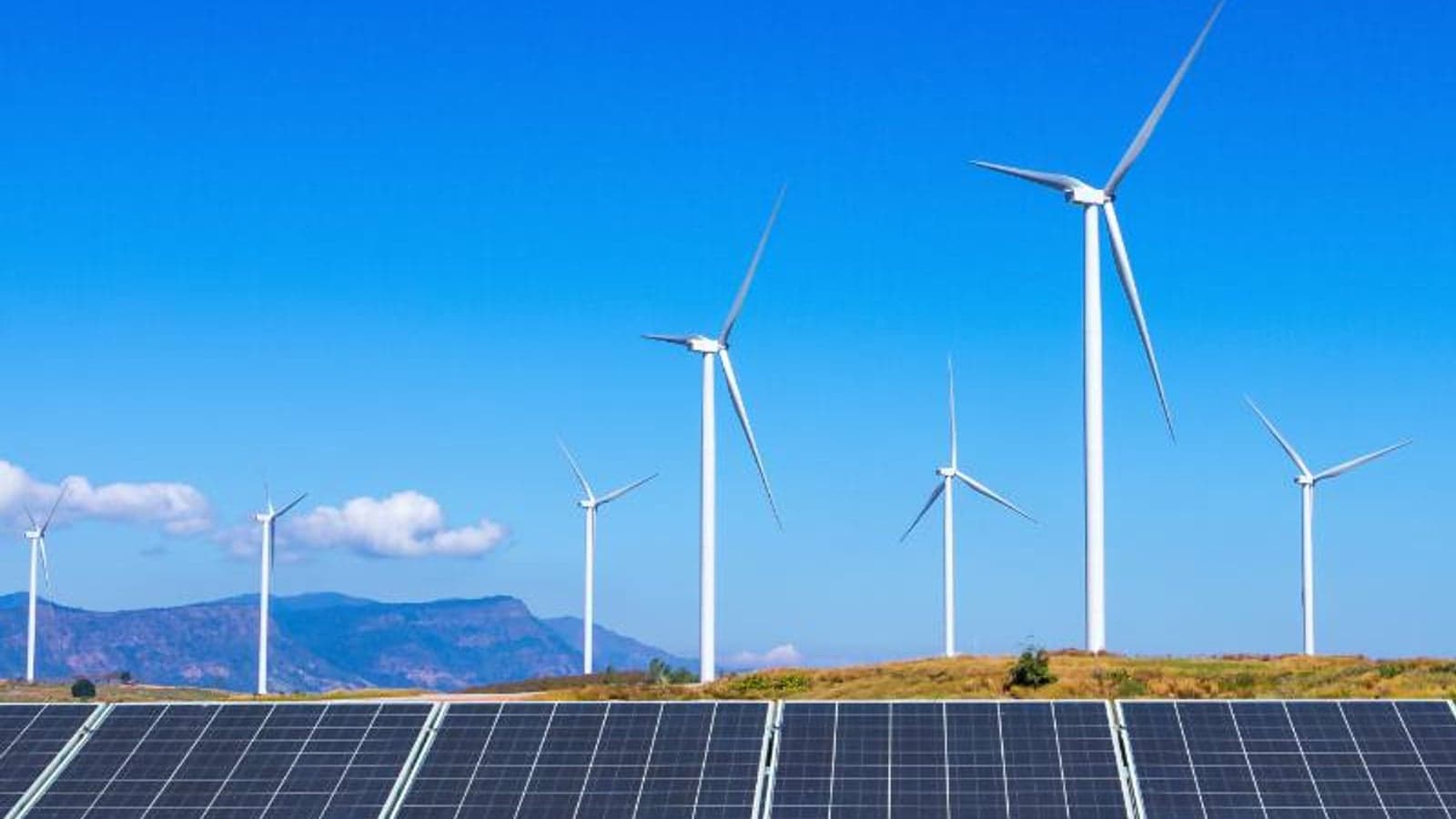
As the rollout of decentralised renewables and the electrification of heating and transport accelerate, increasing challenges are arising in integrating these devices into existing energy systems without exacerbating grid constraints.
With their battery capacity and availability, EVs should contribute significantly to flexibility.
But the recommendations – which were made in a joint report by the Smart Energy Expert Group’s Data for Energy (D4E) subgroup and the Sustainable Transport Forum as well as the German government established Coalition of the Willing on Bidirectional Charging – also extend beyond EVs to create a framework for data exchange that also covers heat pumps, storage and other flexible assets.
Also of interest
EVs are becoming the grid’s vital asset amid energy volatility
How Swedish, US and UK utilities are furthering V2G tech
Use cases
The basis of the recommendations is the priority use cases selected by D4E and aimed to identify the concrete needs for data exchange and data use:
- UC 1: Flexibility information system (registration, prequalification, verification) and flexible connection agreements, i.e. the regulated processes as defined by the ENTSO-E, DSO Entity joint working group.
- UC 2: Flexibility market operation (e.g. offers, bids, activation) and flexibility settlement to enable seamless and transparent operation of flexibility markets through structured data exchange and settlement mechanisms.
- UC 3: Activation (explicit and implicit) of distributed energy resources, which covers the participation of flexible DERs into the wholesale, balancing and congestion redispatch markets as considered through the target model of the future network code for demand side flexibility and associated electricity balancing guideline amendments as well as new requirements arising from the Data Act for internet connected DERs.
- UC 4: Data exchange from smart meters, dedicated measurement devices and energy management systems, to identify the edge data flows between device-to-devices.
These are then coupled with the STF smart charging use cases for public and private smart charging of EVs:
- Smart charging base use cases cover the handshake and energy transfer operation between the EV and the charging station to influence the actual charging behaviour and are the basis for all other use cases. Energy transfer is coordinated between the charging station and the EV.
- Energy system use cases cover the interplay of EV charging needs with owner/operator and/or system incentives, demands or limitations.
- Data use case, cover the provision of data that can be standalone for enhancing the level of available information to any involved actor, or can be combined with any of the other use cases to provide additional information to enhance optimisation for specific use cases.
Energy data space
An essential component of data exchange is the proposed common European energy data space (CEEDS).
The joint report states that the CEEDS should operate as a federated but cohesive European system, combining European-level governance with strong national integration. This is considered to ensure regulatory compliance, operational reliability and seamless interoperability between member states.
Eight key meta-level services are identified as essential building blocks, together forming a “reference operating system” that will enable consistent, secure, and efficient energy data exchange across the EU, namely:
- CEEDS participants registry;
- European vocabulary hub;
- European reference data registry;
- Common API for European-wide processes;
- European service level overview;
- European interoperability testing service;
- European data and services marketplace;
- EU-wide regulated-domain data services.
Three foundational roles are envisaged: a governance body responsible for supervision, policy guidance and stakeholder representation; an operational entity responsible for implementation and daily operations; and a national data space facilitator in each participating member state ensuring integration and compliance at the national level.
To speed up the European development of needed demand response services, it is recommended that the scope of the CEEDS should be based on the reference model of the implementing regulation on demand response (maybe parts of it), which addresses the explicit flexibility requested by system operators from service providers, and it should ensure access by service providers to technical aggregator activations.
Short term recommendations
For follow up during 2026, it is recommended the parties continue the work on standardisation, as e-mobility use-cases have been addressed only partially, and further work on other use cases is needed beyond e-mobility, in particular for buildings, energy communities and possibly industry.
The recommendations on standardisation of data exchange concur on the urgent need to strengthen alignment and coordination across relevant European and international standardisation committees (CEN-CENELEC, ISO, IEC) and the results of the present cooperation should be channelled to those committees in order to address existing gaps and align terminology across domains.
To speed up demand response services, it is recommended to define a ‘DER operator’ who can manage devices on behalf of the customers, while to make it easy for manufacturers to create interoperability between products/devices, it is recommended to establish certified open source reference implementations of these standards.
In order to make it easy for manufacturers to create interoperability between products/devices, it is recommended to establish certified open-source reference implementations of these standards, as well as to publish associated message profiles through open-source code repository environments.
For identification and authentication, it is recommended that all digital platforms participating in national and European energy data spaces shall provide eID as a means for identification and authentication.
On testing, verification and certification, a coordinated European testing action plan for energy interoperability, bridging with the transport sector and other sectors where relevant, should be developed.
These and the other recommendations are intended to provide advice to the European Commission and member states on how to build and implement a European framework for sharing data to enable a market for flexibility and smart and bi-directional charging of EVs.
Their compilation, along with the definitions of the use cases, is considered to represent a milestone, as all key stakeholders from the electricity and e-mobility sectors have agreed on a shared direction for market organisation and common interoperability requirements.
Discussion are due to continue on further details and the next actions.