EU approves €10.82bn aid scheme for French offshore wind
Pamela Largue
Posted on: 4 July 2024
The European Commission has approved a €10.82 billion scheme to develop two bottom-fixed wind farms in France with a combined capacity of 2.4GW or more.
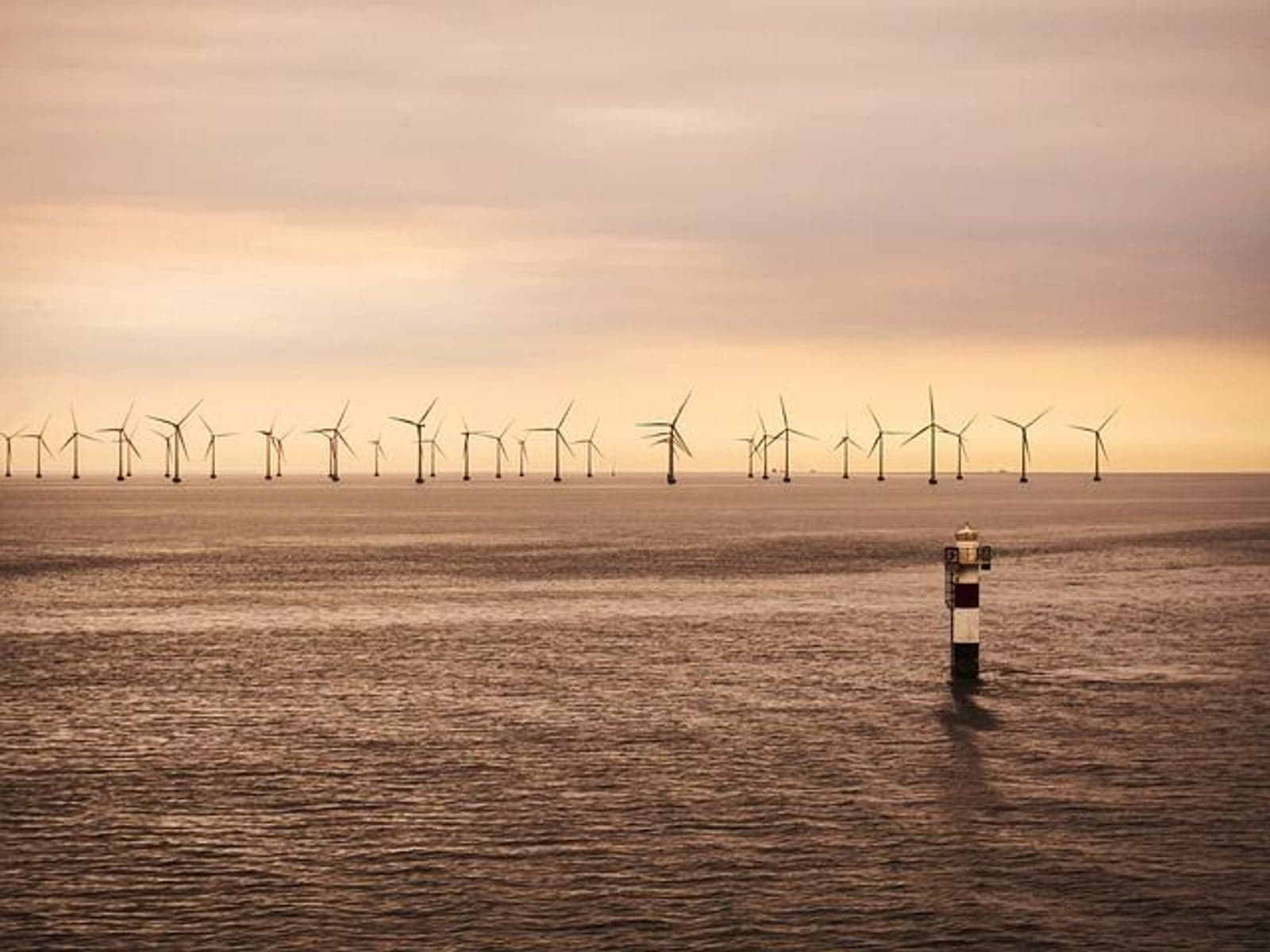
The European Commission has approved a €10.82 billion ($11.7 billion) scheme to support the deployment of offshore wind energy in France.
The scheme was approved under the State aid Temporary Crisis and Transition Framework and will run for 20 years.
The funds will be used to build two bottom-fixed wind farms. The first will be a 1000-1200MW farm in the South Atlantic zone, which will generate at least 3,9TWh of electricity per year.
Have you read?
HDF Energy opens 1MW+ hydrogen fuel cell factory
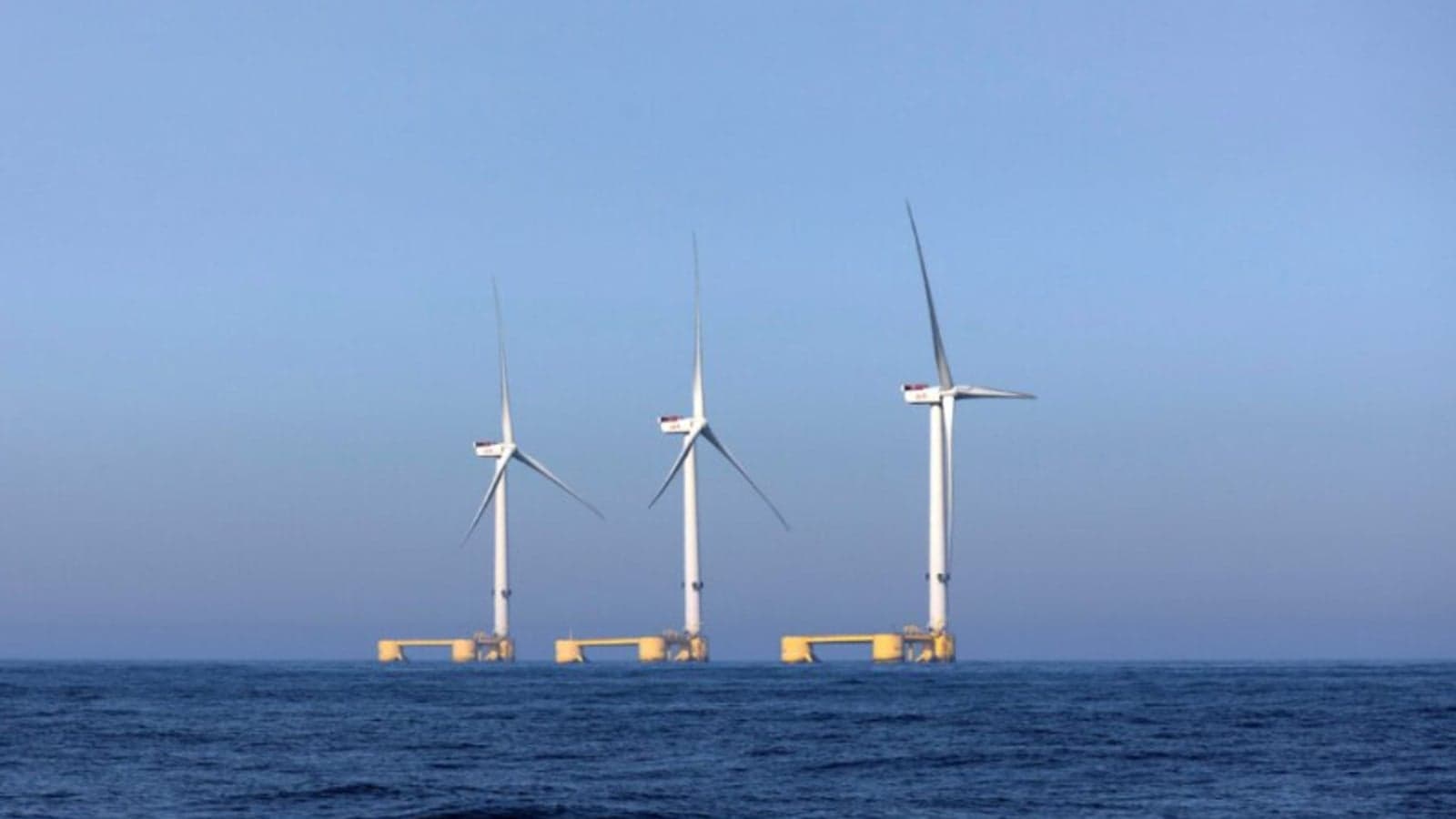
Elicio and BayWa win French floating wind tender
The second will be located in the Centre Manche 2 zone in Normandy. It will have a capacity of 1400-1600MW and will generate at least 6,1TWh of electricity per year.
The aid, which will take the form of a two-way contract for difference (CfD), will be granted to one beneficiary per offshore zone based on the results of a bidding process.
Margrethe Vestager, executive vice-president in charge of competition policy commented on the announcement: "With this €10.82 billion scheme, France can deploy offshore wind capacities faster, in line with the EU Strategy on Offshore Renewable Energy. It will also help France reduce its dependence on Russian fossil fuels, while ensuring that any potential competition distortions are kept to the minimum."
The EU Strategy on Offshore Renewable Energy was published on 19 November 2020 and proposes concrete ways to support the long-term sustainable development of the sector. The strategy sets targets for an installed capacity of at least 60GW of offshore wind and 1GW of ocean energy by 2030, and 300GW and 40GW, respectively, by 2050.
The announcement takes place as France's political landscape is firmly in the spotlight, with fears that a far-right victory could weaken the impact of climate policy.
Climate and energy objectives have already been put on the back burner, with France failing to submit its final NECP by the 30 June deadline.
It will prove challenging to submit the final energy plan until the electoral process is complete and consensus in the country is reached.