Siemens Energy France’s MD reveals French energy transition challenges
Jonathan Spencer Jones
Posted on: 19 January 2024
Growing the business and developing energy transition opportunities in the grid| hydrogen and wind| are key focus areas for Yara Chakhtoura.
The energy transition in France is a dynamic landscape, with the country seeking to diversify its energy mix to become carbon neutral by 2050.
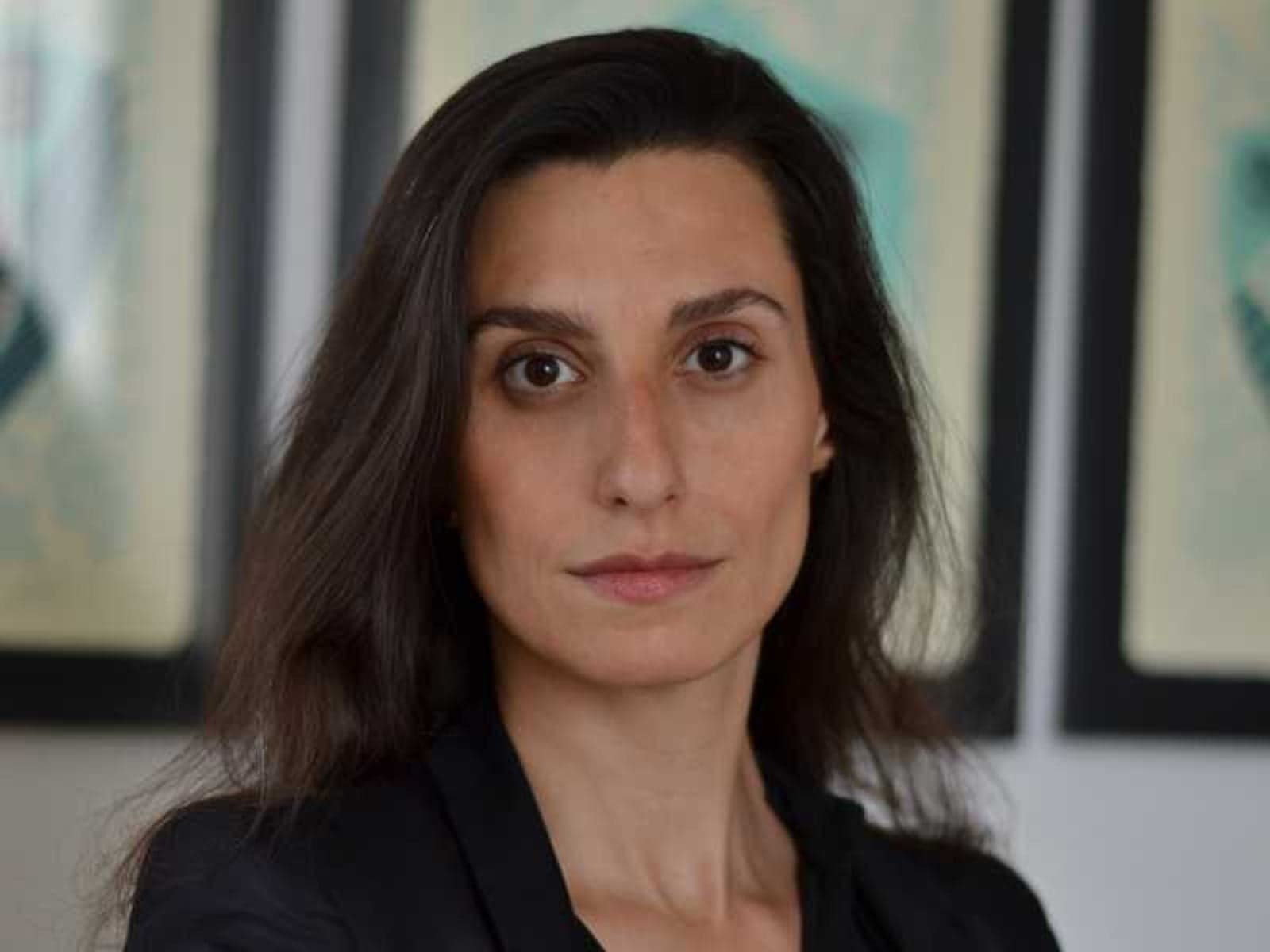
Growing the existing business and developing opportunities in the energy transition – including grid, hydrogen and wind - are the key focus areas in the years ahead for Yara Chakhtoura, MD of Siemens Energy France.
Ms Chakhtoura took up the appointment in October 2023, after a 20-year career of business and project management experience spanning the clean energy, maritime and wind sectors. She is also a Board member of France’s Renewables’ trade association and sits as President of the Offshore Wind Commission.
In this exclusive interview at Enlit Europe in Paris, she talks about her vision for the company and how it will support France’s – and more broadly Europe’s – energy transition.
What are your first impressions of the company and its culture?
Firstly, I've been warmly welcomed by the team and that's very much appreciated.
Secondly, is how great the expertise is. All the employees are passionate about what they do and delivering on energy transition in their different areas of expertise.
What is your vision and priorities for Siemens Energy in France in 2024?
In the past 12 months, we have recorded important milestones on some of our key projects, such as the Celtic Sea interconnector for RTE with 700MW capacity and 500km of subsea cables to connect Ireland to France.
Looking forward, I see three pillars, of which the first is to consolidate our legacy business and accompany our customers toward decarbonisation.
An example of such a project is the ‘Hyflexpower’ project in the south of France. In collaboration with paper manufacturer Smurfit Kappa, this project is the first worldwide industrial power-x-power demonstrator. We take renewable electricity from the grid to produce hydrogen with our electrolyser, which is then stored in a 1t tank for reuse in a gas turbine that can run with zero to 100% hydrogen. In addition to being the world's first to run a gas turbine on 100% hydrogen, the demonstrator has shown how we can use hydrogen for electricity storage.
Second, we need to develop new business towards the energy transition, particularly offshore with the associated wind and grid technologies, as there are major targets in France and Europe.
And the third is hydrogen and its production and a major milestone towards this was the inauguration in November of a gigawatt electrolyser factory in partnership with Air Liquide in Berlin.
Most recently coming from the wind sector how will this influence your approach?
I am a board member of the French wind energy trade association (France Energie Eolienne) and President of the Offshore Wind Commission and in these roles, I represent the entire industry, not only Siemens Energy, as there are industry-wide challenges that we need to address.
It’s part of my role as MD for France to be speaking about renewables on behalf of the industry and on behalf of Siemens Energy, but it's not the only solution as step by step we progress the energy transition in France and across the region.
Wind is one of four key areas of activity at Siemens Energy – the others are the traditional gas turbines, the grid and the transformation of industry.
WATCH: New Managing Director of Siemens Energy France shares her vision for the energy transition
What are the current challenges for the energy transition in France?
France has the target to become carbon neutral by 2050, which means needing to electrify massively – and it’s the same across Europe. We're going to have to increase our electricity generation needs by at least 40% and as we need to have decarbonised electricity, we're facing major investments in renewables and other decarbonised production like nuclear.
The challenges in France are threefold. We need to change the scale significantly in delivering renewable projects. We need to accelerate the delivery of these projects, considering that today, for example, it takes about 10 years to deliver a new offshore wind project and about seven years for an onshore wind project. Here, we need faster permitting. The last one is simplification, which boils down to ensuring that the permitting process and other administrative barriers are lowered so that we can deliver more efficiently on the decarbonisation roadmap.
The same discussions are happening at the EU level, with for example the Wind Energy Package and the Net Zero Industry Act and it’s about how we deliver on our targets in the fastest and most efficient way possible.
What role do you see hydrogen playing in the broader transition?
Industry represents about 30% of greenhouse gas emissions worldwide and it has a big step to take to decarbonise. One pillar is electricity but the second essential pillar for reaching our net zero objectives is via decarbonised hydrogen molecules.
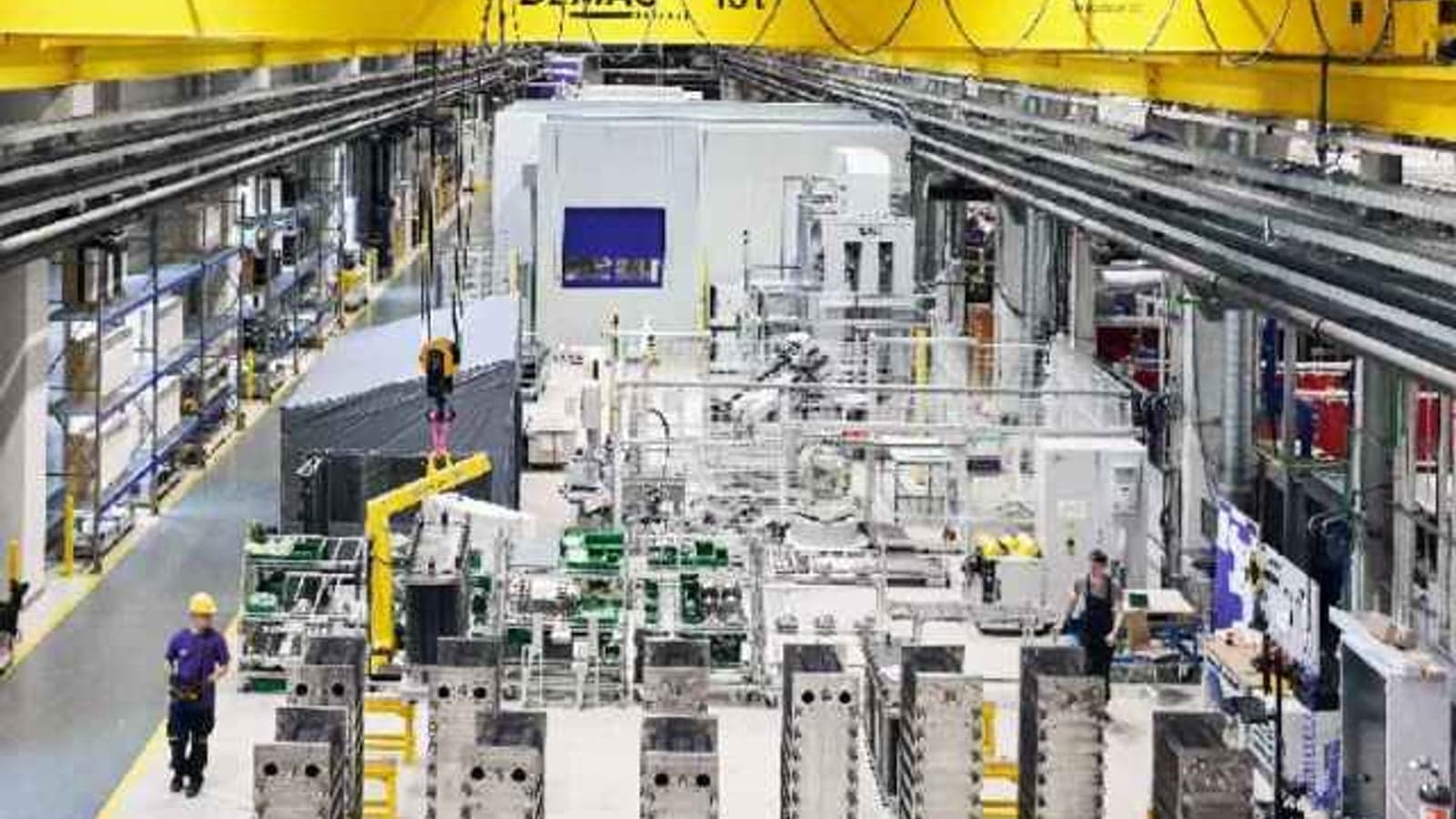
At Siemens Energy we recently opened the new electrolyser factory, in partnership with Air Liquide, in Berlin, that was inaugurated with the presence of the German Ministry of Economy and the French Ministry of Industry. It's a major milestone because we are moving from a small-scale hydrogen business to mass production capability up to 1GW this year and at least 3GW by 2025.
We also are partnering with Air Liquide to deliver a 200MW green hydrogen project in Normandy that will be operating in the next two years.
Now, the hydrogen economy needs to scale up and the levers need to be put in place so that it can do so. We need policymakers to make it attractive to off-takers by creating an incentive for them to be there. We will also need facilitated funding for the industry for projects to be bankable.
Interesting read:
The North Sea – a clean energy hotspot for Europe
At Enlit Europe in Paris, you said you would like to see the North Sea as the hotspot of the climate fight in Europe. How can this happen?
It was a pleasure at Enlit to be joined by so many of our partners on a panel where we discussed what the next steps should be for the region’s North Sea energy strategy.
Already, the North Sea has been indispensable with its oil and gas deposits for the European energy supply and now we see it as becoming a hotspot for new and green technologies over the next few decades. The North Sea has the potential for deploying a decarbonated energy system; reliant on clean energy production through offshore wind farms, but also through the strong offshore grid backbone with all the HVDC interconnectors that are being created and coordinated by the different North Sea countries.
The Esbjerg Declaration committed to making The North Sea ‘the green power plant of Europe’. Last year’s North Sea Summit, in Ostend, pledged to fast-track action on this commitment. Nine countries committed to developing green energy in the North Seas - including the Atlantic Ocean and the Irish and Celtic Seas. The commitment is there, now we need to act.
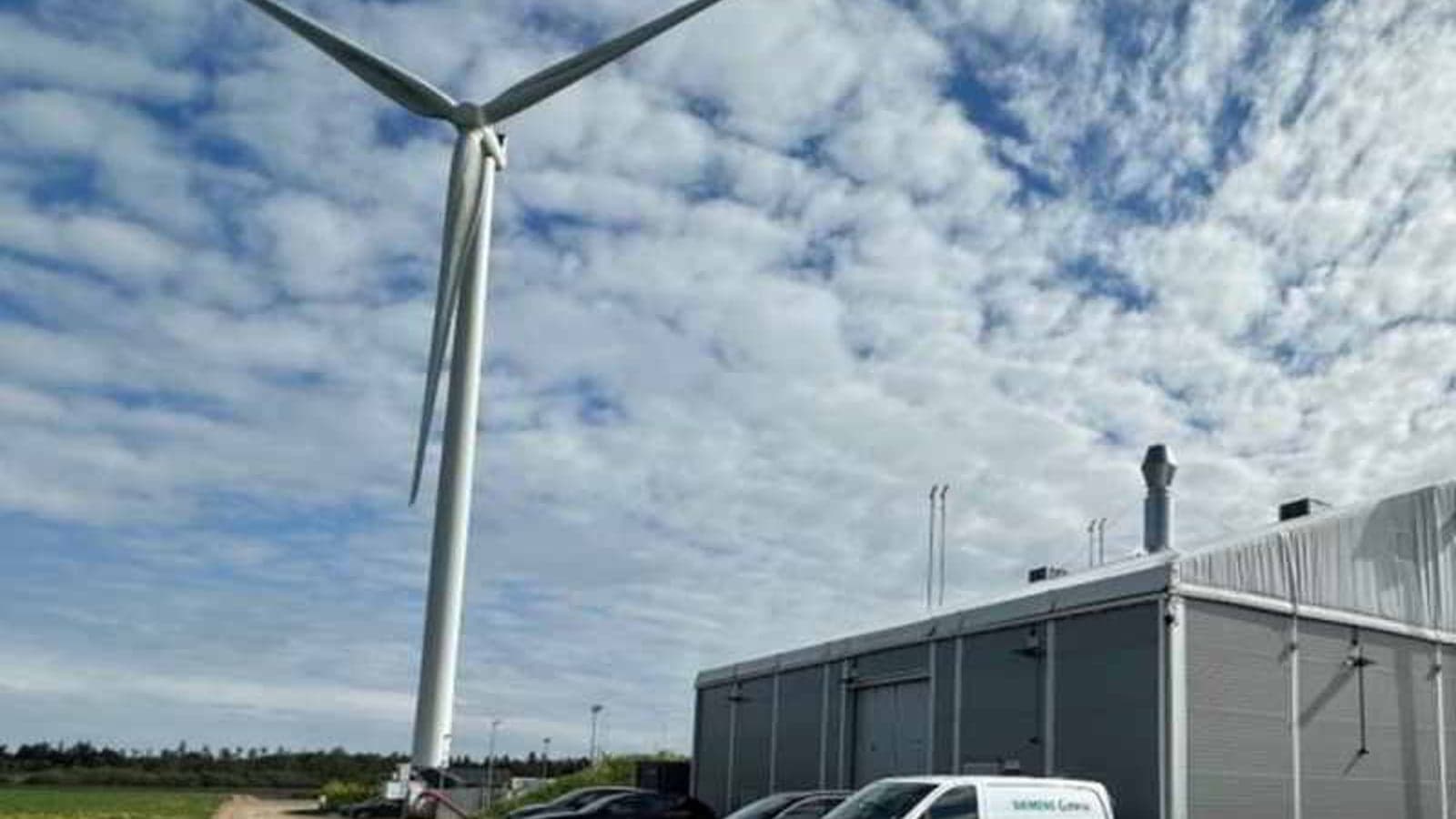
For example, we are working with our partners to deliver the Celtic Sea interconnector between France and Ireland. We are also developing hydrogen facilities around the North Sea, such as a 15MW electrolyser in the south of Denmark.
Therefore, an entire energy ecosystem is being created around the North Sea and will be a driving force in ensuring Europe reaches its net zero targets by 2050.
View more news and content from Siemens Energy here.