Home
/
EU Energy Projects Podcast: Bridging the gap - how different visions shape the debate on energy flexibility
EU Energy Projects Podcast: Bridging the gap - how different visions shape the debate on energy flexibility
Areti Ntaradimou
Posted on: 7 May 2025
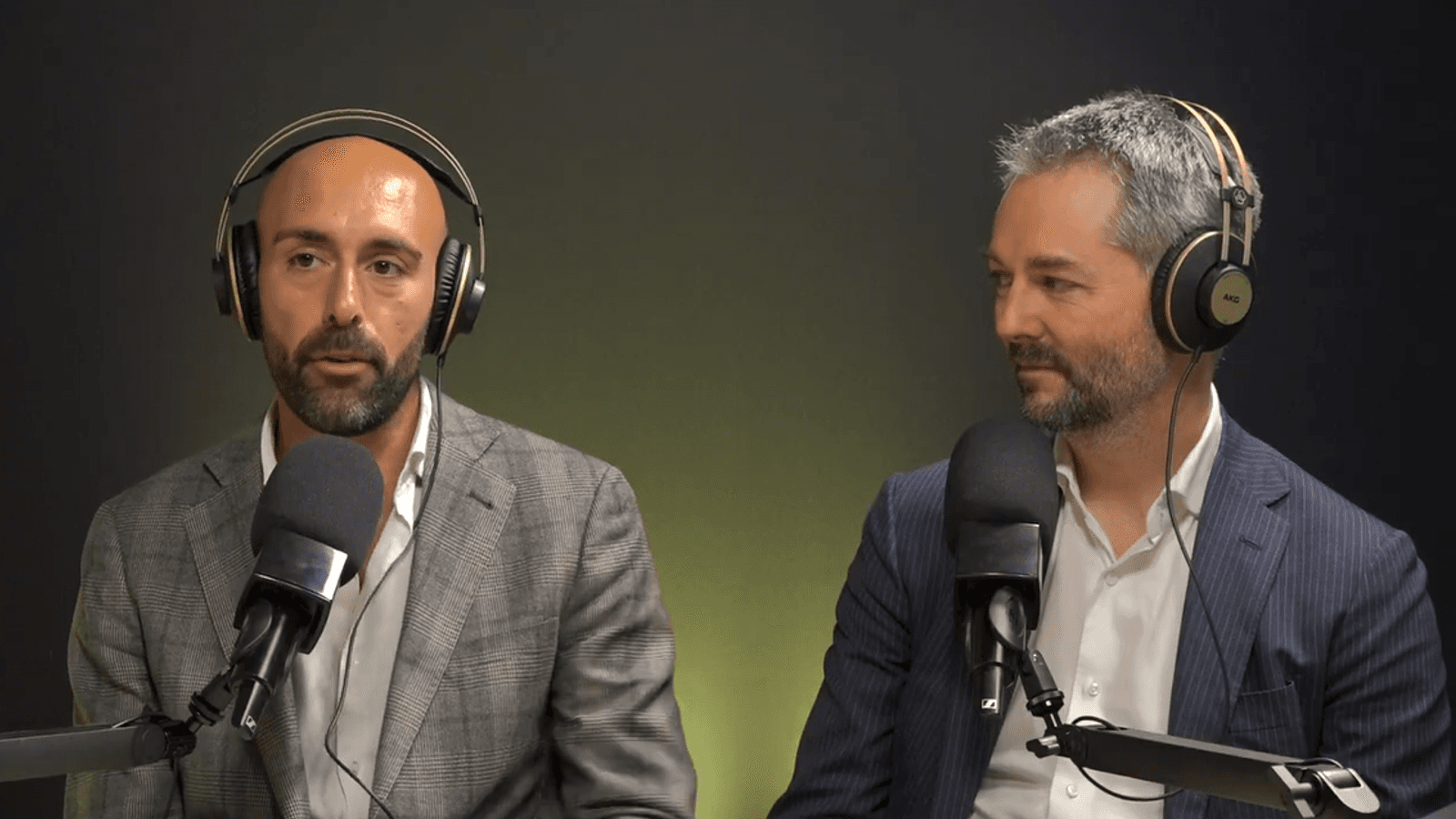
In the latest episode of the EU Energy Projects podcast series, Areti Ntaradimou speaks to Michael Villa of SmartEn, and Joachim Schneider of Netze BW GmbH.
In the latest episode of the EU Energy Projects podcast series, I had the pleasure of discussing the evolving concept of flexibility in the energy system with Michael Villa, Executive Director of SmartEn, and Joachim Gruber, Staff Managing Director Technology at Netze BW GmbH.
While both guests agree on its growing importance, especially considering increasing renewable integration, they approach the topic from different professional perspectives. Michael emphasises the urgent need to activate demand-side flexibility through market-based mechanisms, whereas Joachim focuses on the physical and economic realities of grid infrastructure and the potential limitations of over-reliance on market solutions.
When I posed the initial question, “What is flexibility in the context of the energy system?” Joachim offered a clean, straight forward definition. For him, flexibility simply meant any deviation from a pre-set plan, whether in generation or consumption, driven by rules or incentives.
Michael, on the other hand, quickly expanded the definition. He emphasised the systemic shift we’re experiencing: a growing reliance on demand-side flexibility, and the urgent need to leverage new flexible resources like smart technologies and consumer behaviour.
This, I soon found out, was the core of their divergence.
Joachim isn’t against flexibility, far from it. He acknowledges its role in price formation and in distributed energy systems. But he’s sceptical of what he sees as "wishful thinking" around its application, particularly at the distribution level. He believes flexibility should primarily help optimise grid extension timing, not replace it. For him, relying too heavily on consumer-side flexibility could distort systemic liquidity and create more problems than it solves.
Michael, in contrast, sees demand-side flexibility as essential, especially as we move toward a renewable heavy, decentralised energy future. He stresses that DSOs must evolve beyond just building infrastructure. Instead, they should become neutral market facilitators, helping activate flexibility through local markets or price signals like cost-reflective tariffs.
This idea triggered a strong reaction from Joachim. While he agreed DSOs should facilitate markets, he clarified that it doesn't mean creating them. To him, facilitation means building the grid to allow consumers to participate in upstream markets. Not managing local flexibility schemes that could isolate resources from broader market access.
Despite differing styles, Michael and Joachim agreed on the importance of policy, regulation and harmonisation. Michael pushed urgency; Joachim urged realism. Both stressed facts over speculation, especially after the Iberian blackout.
Don’t miss the smartEn Summit 2025, 'Great FleXpectations', a unique opportunity to explore the future of flexibility in energy with leading voices from across Europe.
Listen to the podcast below
The EU Project Podcast is a fortnightly podcast presenting Europe’s key energy projects.
Subscribe and listen to all our episodes.