Home
/
EU gas industry stakeholders raise concerns on regulatory approach to low carbon hydrogen
EU gas industry stakeholders raise concerns on regulatory approach to low carbon hydrogen
Jonathan Spencer Jones
Posted on: 3 July 2025
A broad range of Europe’s gas industry stakeholders have expressed concerns that the current draft regulation could hinder the deployment of low carbon hydrogen and fuels.
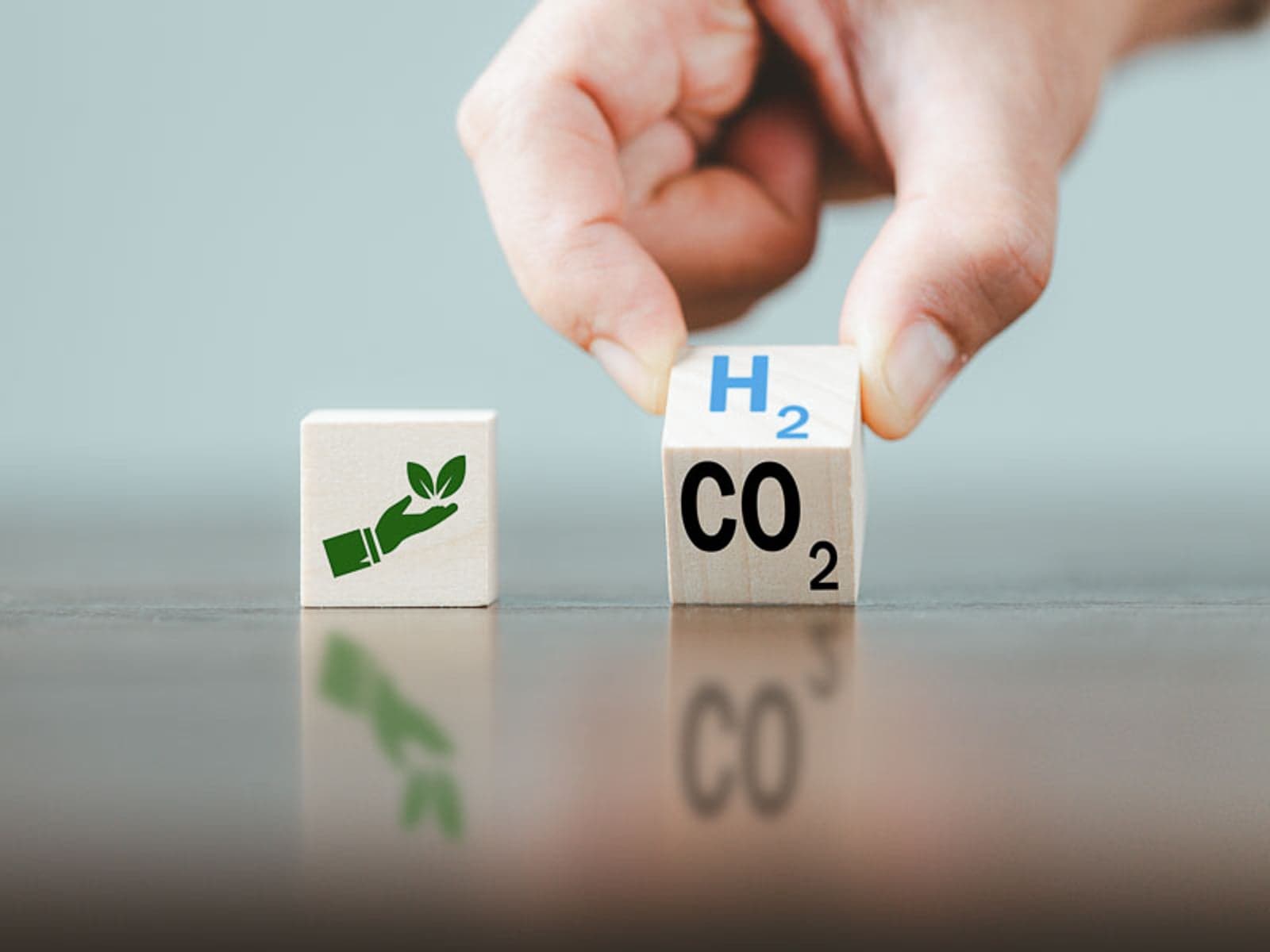
A broad range of Europe’s gas industry stakeholders have expressed concerns that the current draft regulation could hinder the deployment of low-carbon hydrogen and fuels.
In particular, the concerns centre on the defining of the greenhouse gas methodology for low-carbon hydrogen and its derivatives, which the stakeholders state is unable to fully showcase better GHG performance and the high default values.
Numerous elements of concern further amplify this detrimental approach, they add in a joint statement. For example, the treatment of hydrogen from methane splitting, the implementation of the provisions linked to the Methane Regulation, the recognition of carbon capture and storage in third countries and the inclusion of low carbon fuels in the Union database.
“Taken together, these elements will hinder the deployment of this essential energy vector, the overall uptake of hydrogen and its infrastructure for the EU.”
Also of interest
EU Energy Projects Podcast: Securing Europe’s energy future
All types of low-carbon hydrogen
In the strongly worded statement, signed by representatives from across the energy value chain, from producers to industrial users, clean tech solution providers and infrastructure operators, the signatories urge the European Commission to amend the revised draft to ensure it enables the production and import of all types of low-carbon hydrogen and fuels, recognising better environmental performances.
“This is critical for supporting the scale up of the hydrogen market in Europe, which already faces major challenges that undermine EU’s ability to meet its climate objectives,” the statement comments.
In particular, a simpler and more pragmatic approach is needed to kickstart the development of hydrogen in the EU.
The signatories add that they stand ready to provide further input and welcome any opportunity for continued, constructive dialogue to shape an effective and technology-neutral regulatory framework that provides the necessary certainty for investments.
“This will best enable the EU to be realistically in a position to accelerate the deployment of all low-carbon fuels technologies and transition to a decarbonised and competitive energy system.”
70% GHG threshold
The Hydrogen and Gas Market directive defines low-carbon hydrogen as hydrogen derived from non-renewable sources that meets a GHG threshold of 70%.
The delegated act defining the precise methodology for calculating the GHG savings from producing low-carbon hydrogen must be adopted by 5 August 2025.
As part of the consultation process, a draft version was published in September 2024, attracting numerous comments on the proposed methodology.
Low-carbon hydrogen, aka blue hydrogen, is defined by the EU as hydrogen produced from natural gas coupled with carbon capture and storage.
Renewable hydrogen, or green or clean hydrogen, is hydrogen produced through renewable electricity-powered electrolysis.
In February, Hydrogen Europe and other associations called on the European Commission for a “reality check” on a range of hydrogen policy issues to address the challenges and headwinds slowing the development of the market.
Most recently, the organisations have called for a hydrogen grids strategy as a component of the forthcoming EU grids package. Faster permitting and stronger financial tools are also called for.