EU Energy Projects Podcast: Securing Europe’s energy future
Areti Ntaradimou
Posted on: 28 May 2025
As Europe accelerates its energy transition, the concept of security of supply has taken on new urgency.
As Europe accelerates its energy transition, the concept of security of supply has taken on new urgency. With rising geopolitical tensions, cyber threats and the physical impacts of climate change, energy resilience is no longer just a technical issue; it’s a strategic imperative.
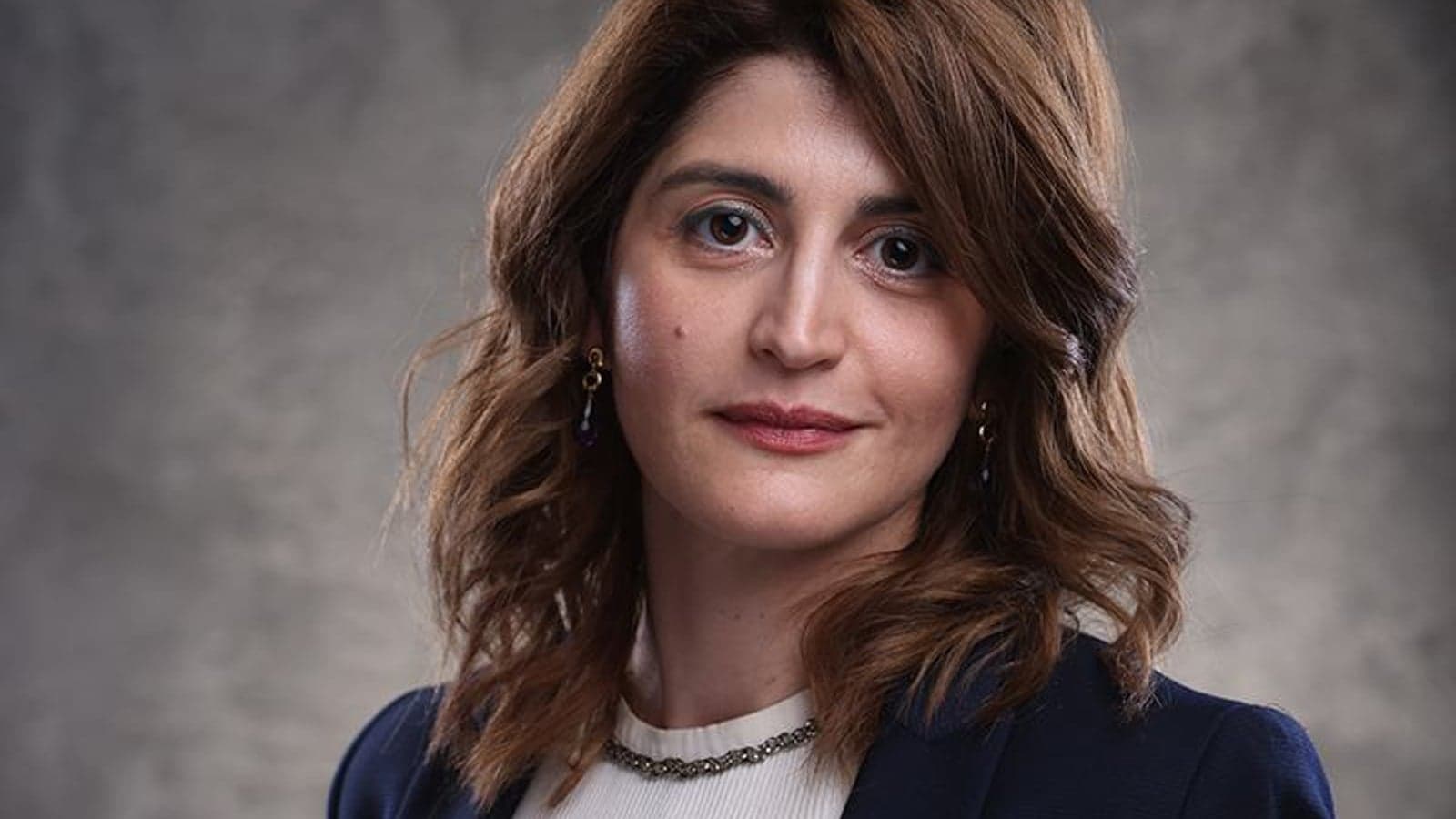
I had the privilege of exploring this critical topic with Elena Giannakopoulou, Chief Strategy and Sustainability Officer at PPC, and Cillian O'Donoghue, Policy Director at Eurelectric, in a candid discussion that shed light on the profound challenges and real solutions facing Europe's energy sector.
Four key external pressures
We started by revisiting recent, alarming events: large-scale blackouts in Spain and cyberattacks in France. These incidents underscore the new era of external pressures threatening Europe's electricity systems. Cillian laid out the four major challenges outlined in Eurelectric’s recent report on Security of Supply: hybrid threats, supply chains, climate change and fossil fuel dependence.
“As society relies increasingly on electricity, electricity becomes increasingly vulnerable,” Cillian noted. “We need to ensure our systems are resilient to both cyber and physical attacks.”
Lessons from Ukraine: Decentralization and interconnection
His first-hand experience in Ukraine offered a sobering but insightful look into resilience in the face of war. “Decentralised systems are more secure in a wartime scenario,” he explained. “They’re harder to take down. Plus, interconnection played a crucial role – Ukraine linking to the European grid in record time was a major success.”
Elena, too, emphasised the hard lessons learned from the war in Ukraine. “Over-reliance puts strategic autonomy at risk,” she said. “In the past, cheap energy often took priority. Now, we know the cost of that choice.” She pointed out the natural complementarity within Europe – solar in the south, wind in the north – and the vital role of cross-border interconnections and grid investments in securing supply.
The evolving role of modern utilities
The role of utilities has also changed dramatically. “We’re not just energy suppliers anymore,” Elena told me. “We’re managing critical infrastructure that must be protected against a growing range of threats –from cyberattacks to geopolitical disruption.”
She highlighted how utilities are evolving into multidimensional platforms, navigating complex supply chains and new technology partnerships while staying focused on affordability.
Smart strategic autonomy: Europe’s path forward
Naturally, our conversation turned to autonomy. Can Europe be energy independent? Not fully, as Elena and Cillian both agreed, but the goal is smart strategic autonomy.
“We can’t produce everything in Europe, but we can be smart about what we choose to lead on,” said Cillian. “It’s not just energy policy anymore. It’s about aligning industrial policy and energy policy, knowing what parts of the supply chain we want to secure, and where we’re willing to make trade-offs.”
Elena echoed that sentiment, emphasising the importance of diversifying both technology sources and partnerships. “We must avoid repeating the same mistakes. Diversification, technologically and geographically, is our best protection.”
A collective responsibility
This discussion reminded me that Europe’s energy transition is not just a story of renewables or regulation. It’s a story of strategy, foresight and resilience. As we continue to electrify, the decisions we make today, on grids, autonomy, cybersecurity and cooperation, will define our collective energy future.
Listen to the podcast below
The EU Project Podcast is a fortnightly podcast presenting Europe’s key energy projects.
Subscribe and listen to all our episodes.