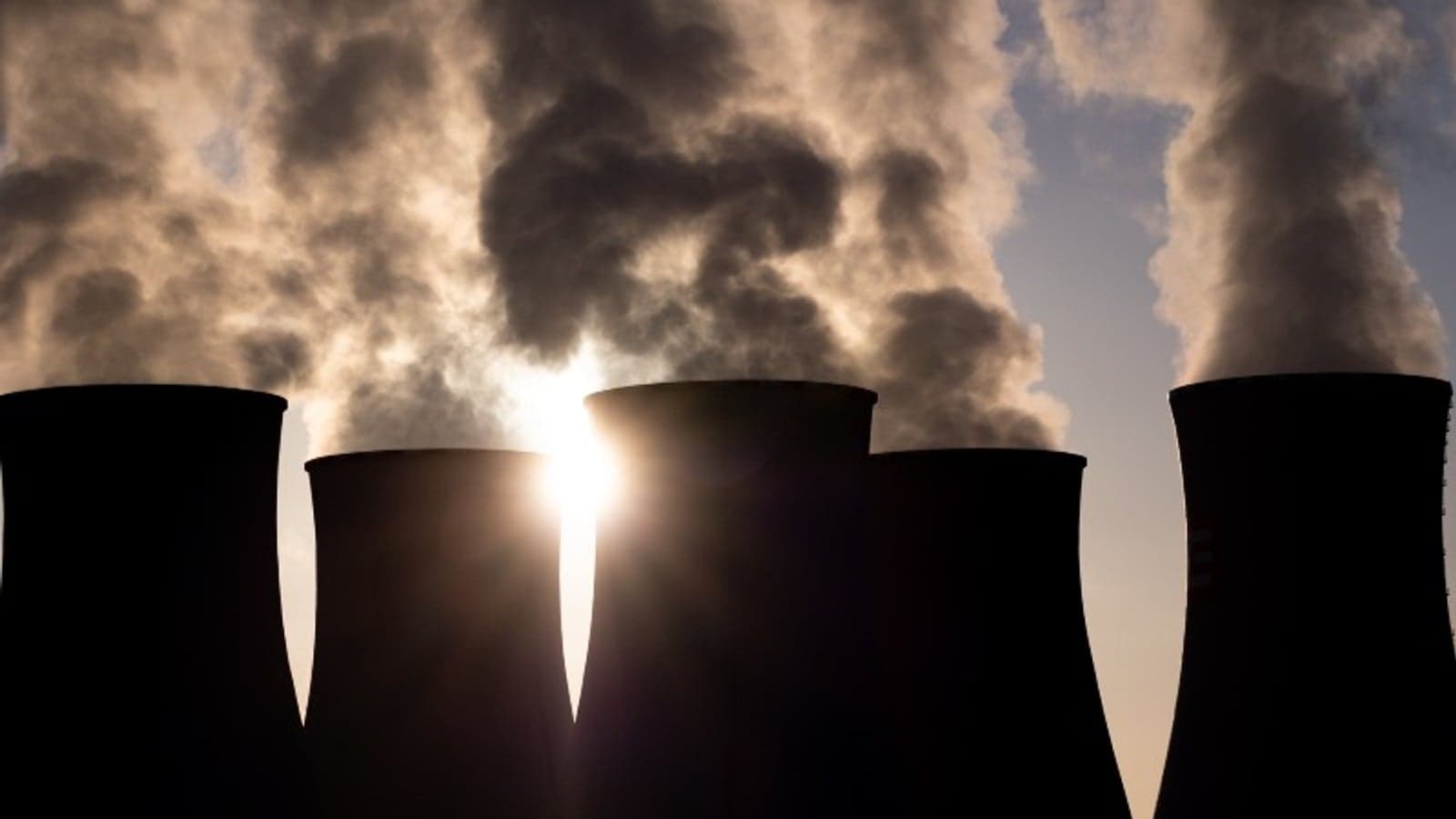
Europe - 2021 saw record energy prices and greater reliance on fossil fuels
Power Engineering International
Posted on: 31 January 2022
Soaring gas prices drove up wholesale power prices in Europe last year, resulting in greater production of electricity from coal and lignite - EnAppSys.

Soaring gas prices drove wholesale power prices to record highs in Europe last year, which resulted in several countries increasing their production of electricity from coal and lignite.
Those were the standout highlights from the latest report from energy market data analyst EnAppSys.
The study showed that wholesale gas prices repeatedly broke new records from the early days of the third quarter, peaking at the unprecedented level of €182.5/MWh during December.
This was due mainly to a tightening of European gas markets, with rising demand from Asia combined with increased willingness to pay and the suspension of the Nord Stream 2 pipeline.
Related content
The role of energy markets in times of rising energy prices
EC sets out proposals for decarbonising Europe’s gas markets
However, prices tipped down towards the end of December as large volumes of shale gas were dispatched from the US.
Meanwhile, there were significant volumes of gas-to-coal and gas-to-lignite switches in countries with available installed capacity, such as the Netherlands and Germany. Coal/lignite plants produced 448TWh in 2021, a steep increase from the 383TWh generated in 2020. This had a compounding impact on the Emissions Trading Scheme (ETS) prices, as the spread between break-even ranges of gas and coal/lignite units reached more than 200€/MWh on occasions.
Nuclear was the biggest contributor to Europe’s fuel mix last year. The 783TWh produced by nuclear units represented 26.5% of the fuel mix and was 245TWh more than output from the gas fleet, which produced 537TWh (18.2%). Hydro came third with 488TWh (16.5%), while coal/lignite contributed 15.2% of total fuel generation.
The renewable proportion of the fuel mix (including biomass and waste) decreased from 41.4% to 39.5% despite installed wind capacity continuing to increase, primarily due to extended periods of low wind speeds across Europe. Consequently, coal/lignite generation rose by 17%, marking the first year-on-year increase in output from these power sources since 2017.
Jean-Paul Harreman, director of EnAppSys BV, said: “The proportion of the fuel mix occupied by fossil fuels nudged upwards from 33.1% in 2020 to 33.8% in 2021. This indicated that the stability brought about by the increase in demand to normal levels was offset by the decrease in wind generation and subsequent increase in dependence on fossil fuels.
“Due to the reduction in wind generation last year, more output from coal and lignite plants was needed to fill the gap. Since 2017, coal/lignite generation had decreased every year by an average of 80TWh, but the 65TWh rise last year reverses that trend and is the largest year-on-year increase in our data set which stretches back to 2015. This ensured that coal and lignite made up a larger proportion of Europe’s fuel mix than wind.
“Gas generation, on the other hand, saw only a minor increase to 537TWh despite the lack of renewables in the fuel mix. This reflected the trend of coal/lignite displacing gas-fired generation. Despite the increase in coal/lignite-fired output, however, this was not enough to displace gas as the second largest contributor to total generation.
“Last year the European power market was characterised by extremely high prices, driven predominantly by surging gas prices. The increase in gas prices was due to the need to replenish low levels of storage resulting from a long cold winter last year, high levels of global LNG demand and limited flows of Russian gas into Europe. The current political stand-off between Russia and Ukraine, combined with low wind and high demand in the winter months, could see prices remain high as we move through the first quarter of 2022.”
Record high prices deliver painful blow to British consumers and businesses
According to EnAppSys, power prices in Britain soared last year due to a colder than normal Q1 and low wind generation in the summer throughout Europe. This resulted in greater demand for gas-fired generation and corresponding upward pressure on prices at a time of increasing demand globally as the global economy recovered.
The study showed that day-ahead and within-day system prices increased dramatically in 2021 in on-peak and off-peak settlement periods. Day-ahead and system prices saw record high averages, and system prices peaked at a record £4,037.80/MWh – the highest imbalance price seen since the £5,003.33/MWh recorded in June 2001, shortly after the New Electricity Trading Arrangements (NETA) went live.
Meanwhile, demand for electricity rose last year as COVID restrictions were relaxed, however, the 247.8TWh of demand recorded in 2021 was still a 3% decrease from levels seen in the last “normal” year in 2019.
The main single generation type meeting this demand was the CCGT fleet, with gas-fired generation totalling 107.5TWh across the year – the same level as the combined renewable fleet collectively (wind, solar, hydro and biomass).
Paul Verrill, director of EnAppSys, said: “Last year was characterised by high commodity prices, which fed through into wholesale prices and then into higher bills for consumers. A cold winter from December 2020 to February 2021 reduced Europe’s gas reserves, which were then further depleted over the summer months by extended periods of low wind generation; this required more gas and coal generation across Europe.
“All of this has occurred against a background of increased demand for LNG and geopolitical issues around gas supply. The overall effect of these factors drove gas prices to extreme heights in the second half of 2021. These have continued in 2022 and the market indicates that they are set to stay high for some time.”
The full reports are available online.