Europe Energy Briefs | The state of the EU’s energy market
Jonathan Spencer Jones
Posted on: 25 March 2025
Europe’s energy landscape is at a crossroads – can it fully harness renewables and reduce its reliance on fossil fuels while managing price volatility, asks ACER?
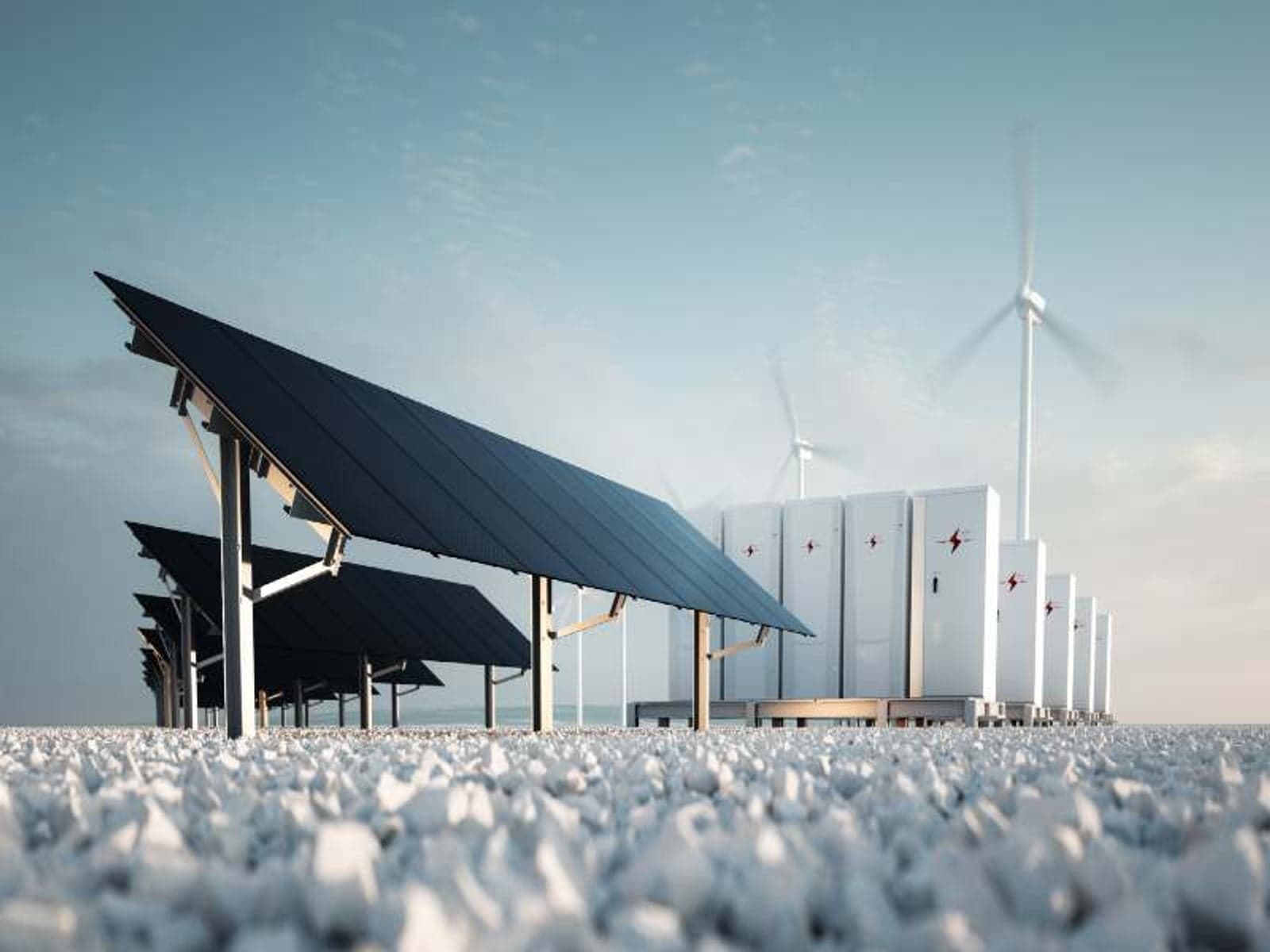
The EU’s energy market landscape is at a crossroads. ACER wondered if the market could fully harness renewables and reduce its reliance on fossil fuels while managing price volatility.
In its electricity and gas markets monitoring report for 2024, ACER points to a 2024 highlight of a 41TWh increase in solar generation enabling renewable energy to account for over one third of EU power generation in the year.
The early part of 2024 also was noteworthy for a 16% drop in energy prices to some of their lowest since 2021 – albeit with regional disparities – with gas averaging €34/MWh and electricity €81/MWh, thanks to the strong renewable supply and nuclear recovery in France.
Moreover, inflexible generation kept electricity price slow, leading to a 50% increase in negative pricing events.
Also of interest
Volatile markets influence energy transitions in motion – WEC monitor
EU Energy Projects podcast: Europe’s competitiveness – Balancing ethics, growth and innovation
However, there are persistent vulnerabilities, particularly around gas with Europe continuing to rely heavily on imported gas with its exposure to global market conditions – the new reality for EU gas markets, ACER points out.
Also while negative pricing grew, it was unevenly distributed across regions and throughout the year.
The review also points to an evolving relationship between electricity and gas. The growth in renewables crowded out coal and gas generation but the demand for flexible gas supply increased – down 3% in base load but up 10% in peak load.
This interplay also is reflected in price dynamics with the management of price volatility driven by gas price fluctuations and renewables’ variability and energy system costs still a significant challenge, ACER adds.
For example, on almost three quarters of days, electricity price variations within the day reached €50 or higher.
In December a ‘dunkelflaute’ episode in Germany sent electricity prices to nearly €1,000 MWh – far above the €81/MWh annual average.
ACER also notes that the need for electricity market integration is growing faster than the actual progress being made, thus failing to bridge a gap that undermines market efficiency and stability.
Rising grid modernisation costs also add pressure, demanding efficient and coordinated investments to maintain security of supply without increasing energy bills.
These current market conditions, with frequent and significant price swings, support the deployment of flexibility solutions, but require the barriers to their deployment are removed.
Otherwise, fossil fuels, especially gas and coal, remain essential for meeting peak electricity demand.
Addressing the challenges
ACER indicates that to achieve the EU’s energy goals requires a targeted approach.
New transition cost drivers should be targeted, with grid investment growth controlled through better network tariffs and ‘efficiency first’ capacity incentives, ensuring infrastructure upgrades are cost-effective and avoid stranded assets.
Support schemes for capacity, flexibility, and renewables should be designed to remain affordable while sustaining long-term energy security.
Energy efficiency and flexibility should be harnessed, with both centralised and local flexibility solutions leveraged, including demand side response, electric vehicles and battery storage, to optimise system use.
These technologies help stabilise supply and demand, reduce price volatility, and strengthen overall grid resilience, particularly during peak periods.
Energy market integration also should be expanded, with cross-border resource use, particularly renewable generation, harnessed to improve flexibility and security of supply.
Interconnectivity should be strengthened to maintain available cross-zonal capacity, reduce fossil fuel reliance and build trust in well-functioning European energy markets.
Looking ahead
In the year ahead the focus now shifts to helping pave and navigate the way towards a clean, secure, and competitive energy system, tackling trade-offs as these emerge, ACER states.
Going forward, strengthened cross-border cooperation is key to building political trust and aligning regional energy markets.
Smarter deployment and greater utilisation of renewable capacity, going hand-in-hand with flexibility, is necessary to meet growing demand and reduce dependence on fossil fuels.
Accelerating the deployment of wind, solar, and battery storage should drive this transition.
Efficient grid investment will require comprehensive planning to enhance efficiency and security, integrate renewables, as well as ensuring a cost effective modernisation of the grid.
Incentive mechanisms are crucial to promoting flexibility resources and encouraging innovation.
ACER reports planning to support each of these areas with monitoring and recommendations along with guidance on distribution network plans and a flexibility needs strategy both due in July.
Latest content
+1
Project TradeRES – New market designs for green European power system: preliminary findings
TradeRES is an EU-finded project with the objective of developing and testing an innovative electricity market design that can meet society’s needs in a near 100% renewable power system.
- Guest/partner contributor
- 15/05/2024