Growing skills gap is putting energy transition at risk warns E.DSO
Guest/partner contributor
Posted on: 31 October 2025
Gráinne O'Shea explains why the European Distribution System Operators (E.DSO) is calling for immediate measures to address energy sector talent shortfall.

As Europe races to meet its decarbonisation and electrification targets, it needs to cope with a key bottleneck: the shortage of skilled workers to operate the increasing kilometres of lines across the EU.
In a position paper, the European Distribution System Operators (E.DSO), representing companies that manage electricity distribution networks serving nearly 350 million customers, warns that without urgent and coordinated action, the skills gap could undermine Europe’s industrial competitiveness and delay its climate objectives. The association highlights the significant number of workers required to expand, digitalise, and modernise the continent’s grids to deploy Distributed Energy Resources.
E.DSO’s call comes as the European Commission pushes forward its Union of Skills initiative, a framework designed to address labour shortages in strategic sectors. For the grid sector, the challenge is particularly acute: the EU has already acknowledged the urgent need to strengthen skills across the electricity sector as skills shortages could seriously hamper the deployment of new infrastructure, as well as digitalisation and innovation.
Tackling this challenge is not possible without stronger cooperation between industry, education providers, and policymakers to anticipate skill needs, modernise training, and promote technical careers, particularly targeting young people and underrepresented groups.
Furthermore, the energy sector is transforming at lightning speed. Distribution system operators (DSOs) are no longer just delivering electricity – they are integrating renewables, other electrification technologies, and managing vast flows of digital data. This requires workers with new skill sets, ranging from engineers and technicians to IT specialists and AI experts.
The stakes are high. If grids cannot be upgraded and expanded on time due to workforce bottlenecks, the knock-on effects will be felt across the entire economy. Electrification of transport, heating, and industry depends on resilient grids, and Europe’s competitiveness in clean technologies hinges on timely deployment.
What E.DSO wants to see
E.DSO welcomes the Commission’s initiative on “the Union of Skills” and its current action in bringing together industry players and academic institutions, but argues that additional efforts should be made to obtain real results. Specifically, its recommendations centre on four key priorities deemed strategic for the electricity sector.
A European Grid Academy: Establishing and funding the EU Grid Academy in the framework of the Net-Zero Industry Act is one of E.DSO’s headline proposals, pooling best practices from national initiatives and scaling them across Member States. The suggested €50 million annual budget is less than 0.1% of Europe’s yearly distribution grid investment needs - but would massively benefit the building of a fit-for-purpose workforce pipeline. The Academy would work hand-in-hand with universities, vocational schools, and industry – grid operators but also manufacturers -, offering a single one-stop shop for specialised training. It would also focus on practical learning, apprenticeships, and cross-border mobility.
EU-wide certification: Another cornerstone is a Europe-wide certification system for grid professionals. Today, qualifications are fragmented across Member States, limiting mobility at a time when the sector needs maximum flexibility. A common certification scheme would ensure that workers trained in one country could seamlessly work in another, helping balance supply and demand.
Gender diversity targets: Despite growing awareness, the electricity sector remains male-dominated, this significantly trims down the available pool of workers. E.DSO argues that the EU should set binding gender diversity targets in identified sectors, supported by funding for cultural transformation, unconscious bias training, and systematic reporting of diversity metrics. Policymakers need urgently to address structural barriers that discourage women from entering STEM fields, the paper notes.
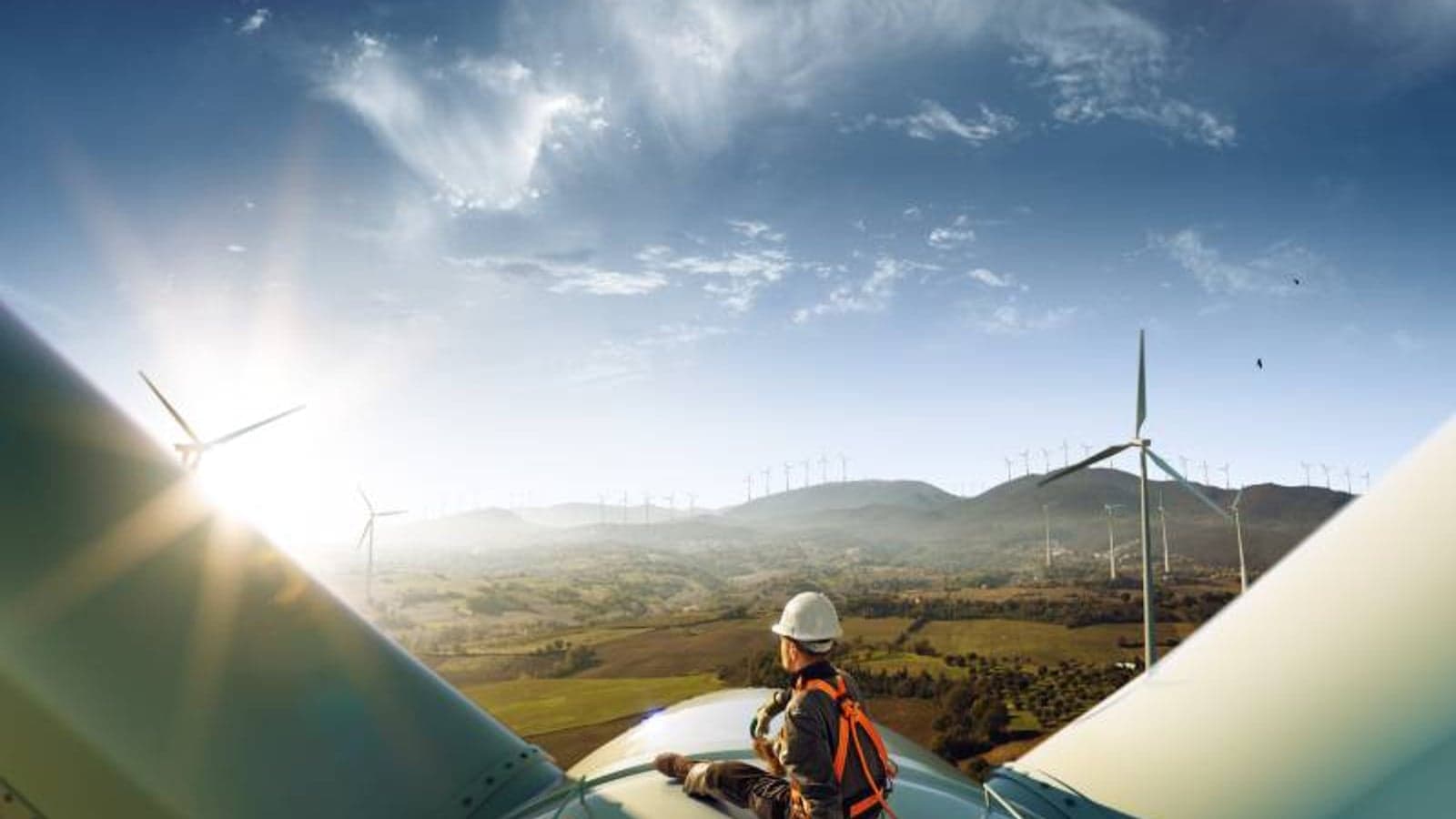
Public awareness campaigns: Finally, E.DSO calls for a European-level careers campaign to spotlight opportunities in the electricity sector which, to date, is still perceived as less appealing as compared to other sectors. By showcasing real career pathways, technological innovation, and contributions to climate goals - for example, how a field technician is helping to connect a wind farm, or how a data analyst is making the grid smarter -, the companies operating in the field hope to inspire a new wave of recruits. The campaign could inspire young people and career changers to consider the energy sector instead of other competing sectors.
The European Union cannot afford to overlook the human factor in its clean energy push.
DSOs tackle challenge
DSOs, such as other key electricity companies, are already piloting solutions. By means of example, DSOs - based on the assumption that current education and training systems are struggling to keep pace and bridging actual labour market skills - have created ad hoc programmes that combine university studies with hands-on technical training helping to bridge the gap between academic education and on-the-site job skills. Tailored programmes are also offered to unemployed people looking to re-enter the workforce.
Other solutions have been implemented, e.g. postgraduate programme on Smart Sustainable Power Engineering to upskill its engineers for renewable-heavy grids, AI-driven job matching platform and also diversity-focused initiatives.
These examples, E.DSO argues, show the creativity and commitment already present in the sector. But scaling them up, and making them consolidated industry practices across the EU requires dedicated EU-level support.
Data are foundational for effective action. E.DSO stresses that the European Union lacks reliable data on skills shortages. It urges the Commission to prioritise the energy sector in its planned European Skills Intelligence Observatory, which would mean clear forecasts of workforce needs, granular analysis of training effectiveness, and evidence-based policymaking.
AI in energy
Digitalisation is another frontier, from AI-driven demand management to cybersecurity for critical infrastructure, grid jobs are changing fast. With AI, big data and cybersecurity reshaping grid operations, E.DSO believes that an 'AI in Energy' programme to create Centres of Excellence and lifelong learning curricula is needed. Embedding AI and digital skills into training pathways is, vital for a future-proof workforce.
The E.DSO position paper on ‘the Union of Skills’ includes these and other insights, but E.DSO’s message is clear: the European Union cannot afford to overlook the human factor in its clean energy push. Without skilled workers to design, install, and maintain the grids of the future, the massive investments required risk falling short.
“The development of a skilled, diverse, and future-ready workforce is essential to delivering on the EU’s climate, competitiveness, and energy security goals”, the paper says.
The association and its members commit to collaborate with the Commission on the Grid Academy, contribute with data to the Skills Intelligence Observatory, and share best practices from its members. In return, EU policymakers shall move quickly on establishing certification, promoting diversity, and ensuring industry has a strong voice in shaping initiatives.
About the author
Gráinne O’Shea is the Business Strategy Manager for ESB Networks. She was elected by her colleagues under the Worker Participation Act of 1977 to the Board of ESB in 2023. O’Shea is a member of E.DSO’s Policy and Regulation committee and is the Chair of the Working Group on Skills.
Latest content
+2
Moving the dial on the workforce challenge
The energy sector is facing a shrinking potential workforce and to address this effectively, a three-pronged approach is needed involving government, educational institutions and the sector at large. This was the overriding message in a conversation with Alison Lowrie, founder of UK-based talent management specialists STEM Select, and Tom Essex, founder of Dutch recruitment specialists KIGYO, about how to ensure the people and skills are available to reach our energy transition goals.
- Pamela Largue
- 07/05/2025
+2
Global shortage of skilled technicians predicted for wind sector
If the demand for wind energy continues to grow at its current pace, the sector is projected to face a 6-8% global shortage of skilled wind technicians by 2028. This is one of the key findings of the latest Global Wind Workforce Outlook 2024-2028 report released by the Global Wind Organisation (GWO) and Global Wind Energy Council (GWEC).
- Pamela Largue
- 03/12/2024