Floating wind developer acquires naval engineering firm F. Carceller
Pamela Largue
Posted on: 18 May 2023
Floating wind developer Gazelle Wind Power has acquired a controlling stake in Spanish naval architect and marine consulting firm Faustino Carceller.
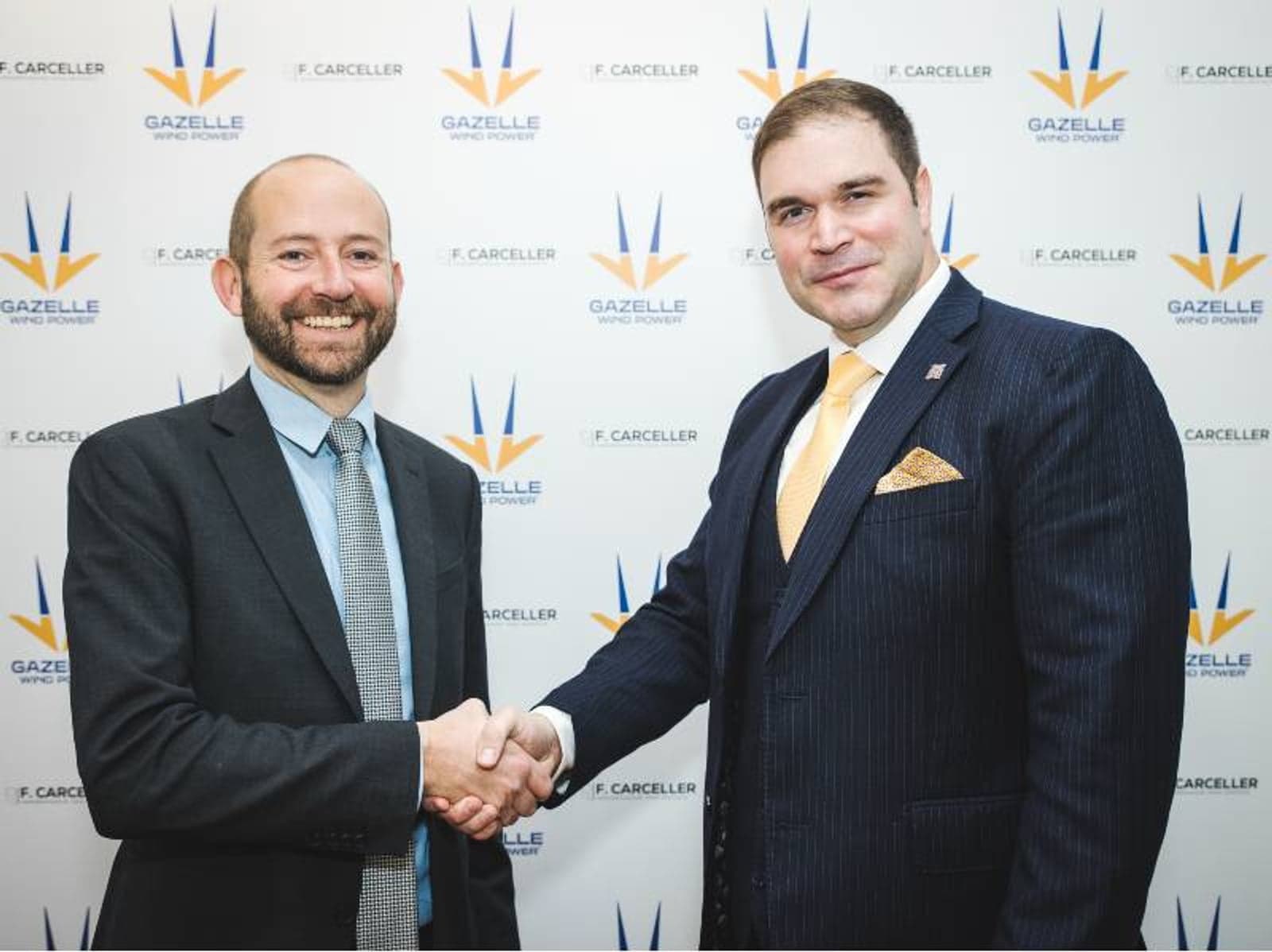
Floating wind developer Gazelle Wind Power has acquired a controlling stake in Spanish naval architect and marine consulting firm Faustino Carceller, S.L. (F. Carceller).
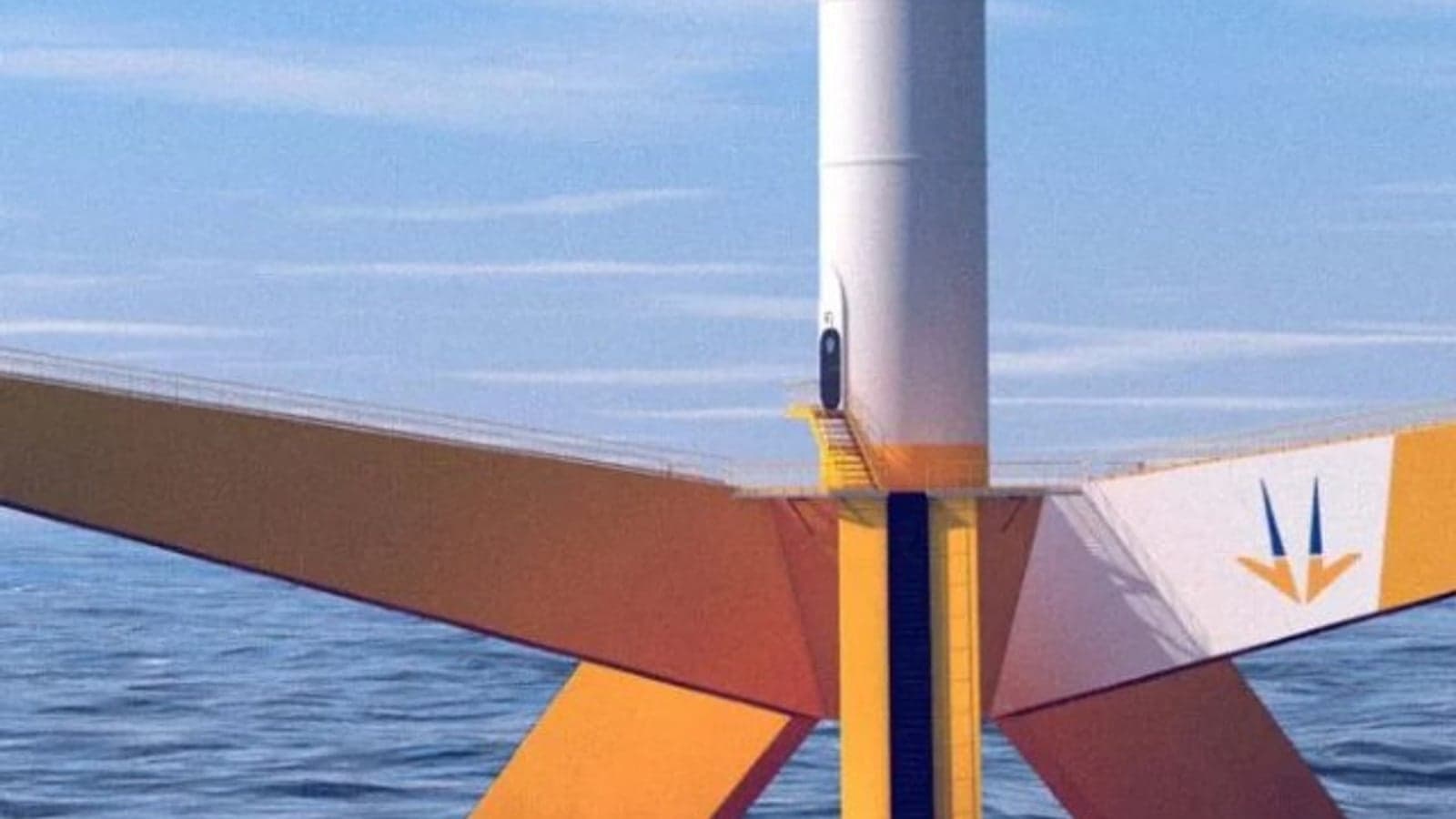
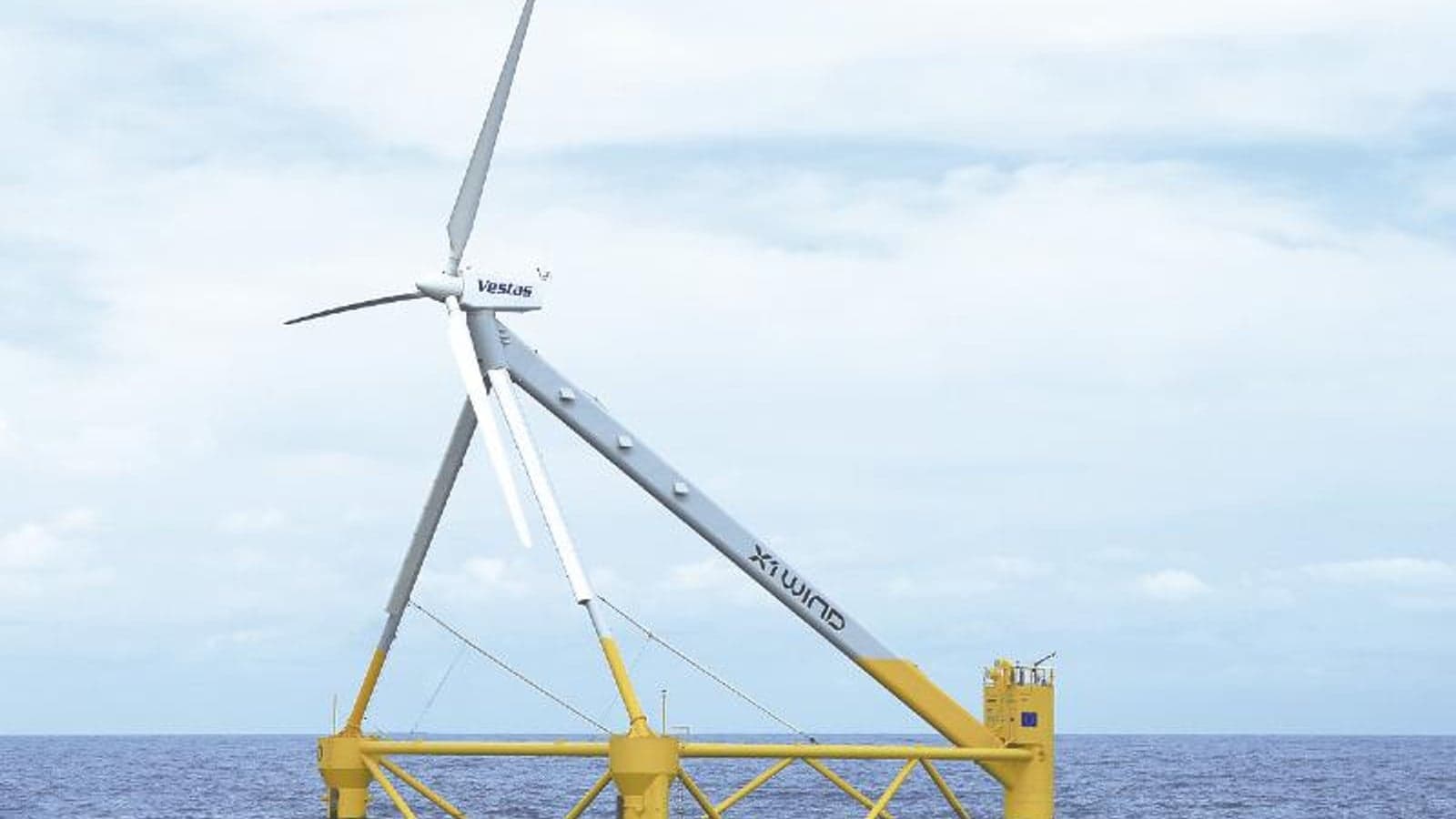
The acquisition is a good fit for Gazelle’s shipbuilding approach to construction and will help boost the technical development of the company's hybrid modular floating offshore wind platform, which utilises a unique mooring concept.
F. Carceller will continue to operate as an independent subsidiary of Gazelle while remaining focused on the commercial fishing, marine, and shipping industries.
“This agreement allows us to continue servicing the needs of shipowners and shipyards to the highest ability—while giving us and our customers a pathway into the burgeoning offshore wind market,” said F. Carceller CEO Pablo Carceller. “Gazelle’s unique offshore platform technology works in harmony with fishing corridors, making this partnership an ideal fit for both companies.”
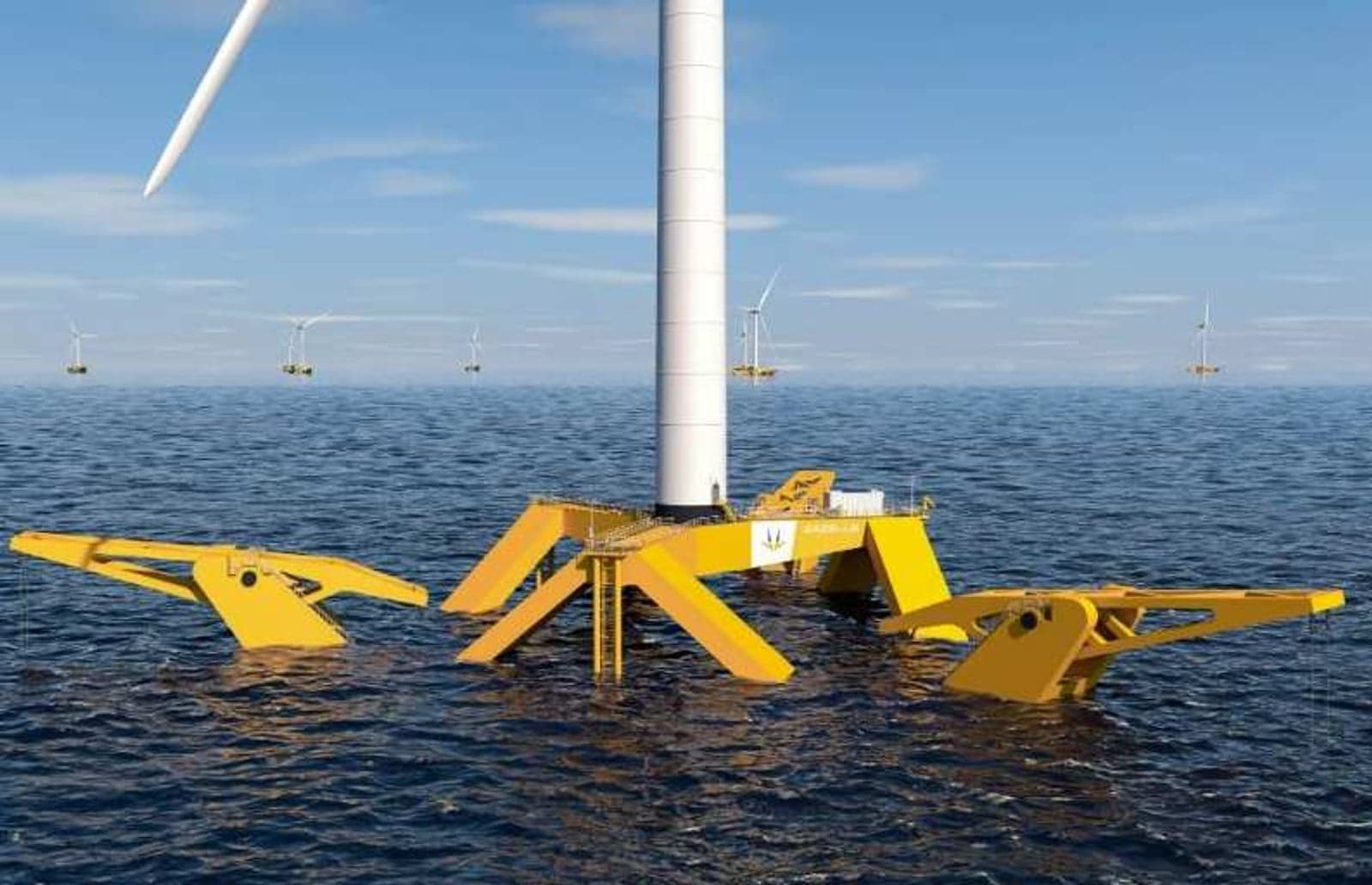
Since 1988, F. Carceller has specialised in providing technical and consulting services for marine vessels and structures on more than 1,300 projects. The company's engineers will support the expansion of Gazelle’s in-house capabilities, including design, refitting and conversion, stability calculations, construction management, appraisals, and more.
Have you read?
New 990MW project to exploit Andalusia’s offshore wind potential
Five wind energy projects leading the UK’s path to net zero
When asked about the vision behind the unique partnership, Gazelle CEO Jon Salazar said to Power Engineering International: "The acquisition creates synergies between both F. Carceller and Gazelle Wind.
"F. Carceller will continue to service their shipowner and shipyard clients while bringing their naval architect and engineering expertise to accelerate the development of our innovative floating offshore wind platform, which utilizes shipbuilding industry processes for sourcing materials, engineering, construction, assembly and more."
“[F. Carceller’s] expertise in the marine market will be key for Gazelle as we transition into an exciting new phase of development for both our company and the offshore wind industry,” added Salazar.
Gazelle is currently focused on a collaboration with renewable energy developer WAM Horizon on a pilot project in Portugal, as well as enhancing the design of its third-generation floating offshore wind platform technology.
The future of offshore wind is floating
According to Salazar, in order to meet generation and decarbonisation targets, taking offshore wind into deeper waters will be essential, which is why floating wind is such an important part of the future energy mix.
"To overcome land constraints and meet decarbonisation and wind generation targets, floating wind development in deeper waters is crucial.
"However, the platforms must be large enough to support large turbines 15MW or greater to meet those targets. Deploying the largest, most powerful turbines is the only way to reach decarbonization targets.
"Innovative solutions like Gazelle’s will allow these “mega” turbines to operate efficiently in deeper seas where wind power is stronger and less intermittent, said Salazar.
According to Salazar, innovating floating wind platforms to accommodate large turbines requires "focusing on modularity, scalability, sustainability, shoring up supply chains, and cost-effectiveness."
"Standardisation in the industry will also be essential," he added.
However, despite the exciting prospects of the floating offshore wind market, Salazar cautions that certain factors must be in place to optimise development.
These include:
- Continued investment is needed to spur necessary innovation and development.
- Developers must secure robust supply chain agreements to ensure necessary components and resources are available to accelerate development.
- There must be committed action from lawmakers and policymakers to ensure regulatory and legal frameworks are in place,
- Floating offshore wind developers must continue to collaborate and communicate with adjacent maritime industries to work in harmony and promote sustainability.
- In addition to lowering platform weight, cost savings can be achieved by making use of existing infrastructure to construct, deploy, and operate.