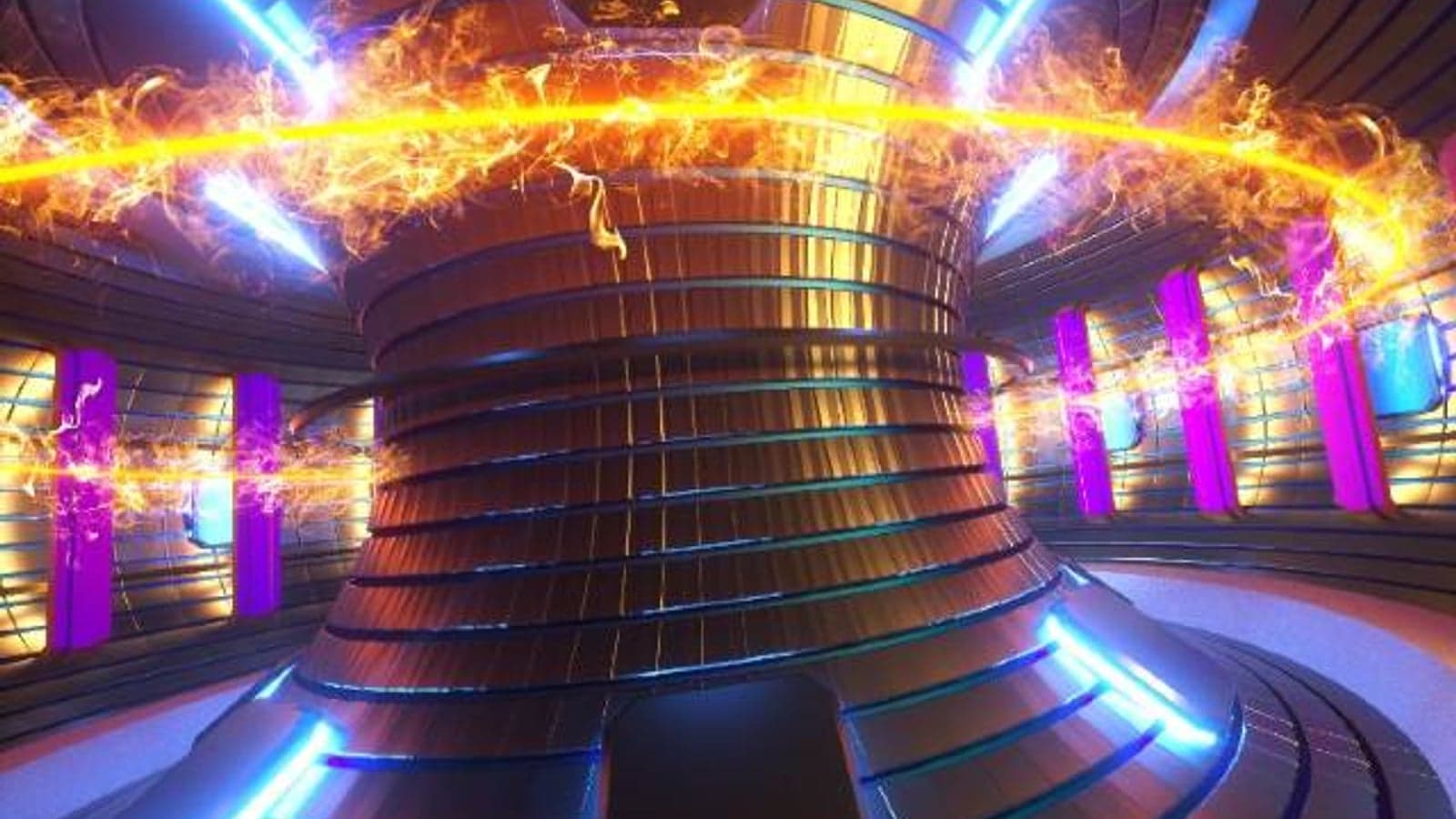
Fluor and Longview start design work on laser fusion plant
Power Engineering International
Posted on: 12 March 2024
Fluor will provide preliminary design and engineering to support the development of Longview’s fusion-powered plant.
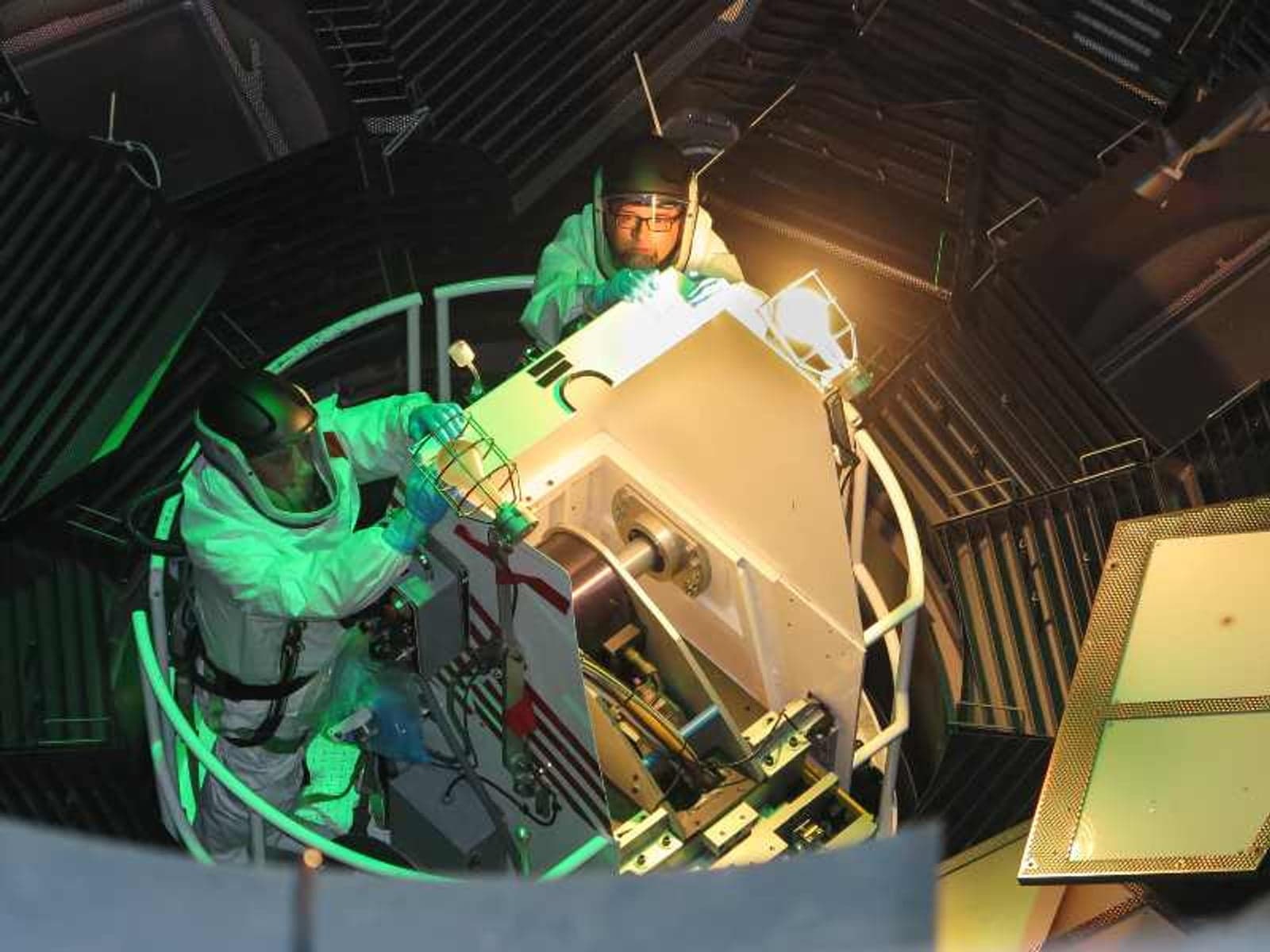
Longview Fusion Energy Systems and Fluor have taken another step toward the commercialisation of a laser fusion power plant.
Under the an MOU signed by the companies, Fluor will design the plant for Longview Fusion Energy Systems. The two partnered in 2023 and signed a memorandum of understanding (MOU) to leverage Fluor’s experience in developing and constructing large, complex facilities. Fluor will provide preliminary design and engineering to support the development of Longview’s fusion-powered plant.
According to Longview, their laser fusion power plants have a capacity of between 1,000 and 1,600 MW. They are able to power the needs of a small city or provide process heat or power to drive industrial production of the materials needed for operational necessities like steel, fertilizer and hydrogen fuel.
Have you read?
Tennessee’s Bull Run coal plant gets second life as fusion energy pilot
Joint European Torus sets new fusion energy output record
Longview says it does not need to build a physics demonstration facility, and, with its partner Fluor, can focus on designing and building the world's first laser fusion energy plant.
"We are building on the success of the NIF, but the Longview plant will use today's far more efficient and powerful lasers and utilise additive manufacturing and optimisation through AI," says Valerie Roberts, Longview's Chief Operating Officer and former NIF construction/project manager.
National Ignition Facility
The planning for the laser fusion plant was enabled by the breakthroughs in fusion energy gain at Lawrence Livermore National Laboratory's National Ignition Facility (NIF).
"Laser fusion energy gain has been demonstrated many times over the last 15 months, and the scientific community has verified these successes," said Edward Moses, Longview's CEO and former director of the NIF. "Now is the time to focus on making this new carbon-free, safe, and abundant energy source available to the nation as soon as possible."
According to the Lawrence Livermore National Laboratory, in a NIF ignition experiment, a tiny capsule containing two forms of hydrogen is suspended inside a cylindrical x-ray “oven” called a hohlraum.
NIF’s powerful lasers heat the hohlraum to temperatures of more than 3 million degrees Celsius, resulting in x-rays heating up and blowing off the surface of the target capsule. This causes a rocket-like implosion that compresses and heats the fuel to extreme temperatures and densities until the hydrogen atoms fuse, releasing energy.
In December 2022, the National Ignition Facility achieved fusion ignition, a fusion first with an energy production greater than the input energy.
Originally published on power-eng.com
Latest content
+1
DOE to fund $42M inertial fusion hub programme
The hubs will be led by researchers at Colorado State University| the University of Rochester| and Lawrence Livermore National Laboratory| where last year a team successfully achieved fusion ignition for the first time| proving that creating energy from fusion is possible.
- Power Engineering International
- 18/12/2023
+1
DOE awards funding to projects overcoming fusion energy hurdles
The US Department of Energy (DOE) has announced $2.3 million in funding for 10 projects intended to pair private industry with DOE’s national laboratories to overcome challenges in fusion energy development.
- Power Engineering International
- 23/01/2023